Climate-related disasters, geopolitical conflicts, rising agricultural costs and disruptions to international supply chains are placing renewed pressure on global food markets. Although some commodity prices have recently eased, millions of households remain vulnerable to expensive food and growing food insecurity.
Food is one of the most essential components of economic and social stability. Yet, across many parts of the world, access to affordable and nutritious food is becoming increasingly challenging. Extreme weather conditions, transportation disruptions, geopolitical tensions and rising production costs are affecting agricultural output and international food supplies.
The global food market has experienced repeated shocks in recent years, from the pandemic and regional conflicts to unpredictable weather patterns. These developments have exposed weaknesses in agricultural supply chains and increased the vulnerability of countries that depend heavily on food imports.
According to the United Nations Food and Agriculture Organization (FAO), its Food Price Index averaged 133.9 points in October 2026, declining 1.2% from September but remaining 5.9% above its level a year earlier. The monthly decline offers some relief, but the broader picture continues to reflect uncertainty in international food markets.
Extreme Weather Threatens Agricultural Production
Climate change is becoming an increasingly important factor influencing global food production. Rising temperatures, irregular rainfall, prolonged droughts, floods and severe storms can damage crops, reduce agricultural productivity and disrupt harvesting seasons.
Farmers in several regions are experiencing greater uncertainty about planting and harvesting conditions. Drought can reduce soil moisture and limit irrigation supplies, while excessive rainfall and flooding can destroy crops, damage farmland and interrupt transportation networks.
The development of El Niño conditions has added to concerns about agricultural production. According to the World Bank’s October 2026 Food Security Update, El Niño is expected to strengthen through late 2026 and persist into early 2027, increasing the possibility of extreme heat, drought, flooding and irregular rainfall in vulnerable regions.
These weather-related risks can affect major agricultural commodities, including wheat, maize, rice, sugar and vegetable oils. When production declines in important exporting countries, international buyers may compete for limited supplies, increasing prices and market volatility.
Supply Chain Disruptions Increase Food Costs
Global food distribution depends on an interconnected network of farmers, processors, shipping companies, ports, wholesalers and retailers. Disruptions at any stage can increase the cost of delivering food to consumers.
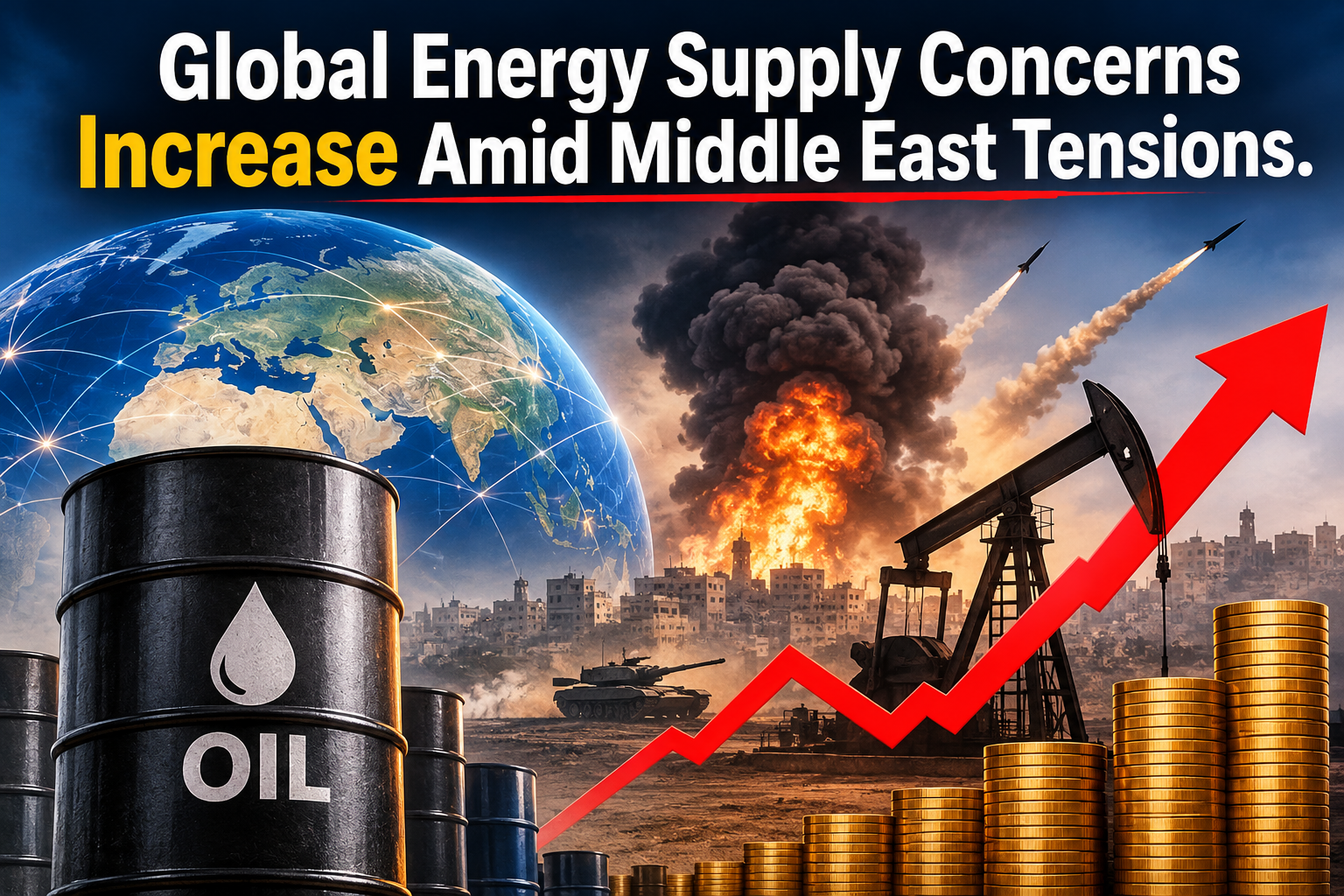
Geopolitical conflicts and restrictions on important shipping routes have created additional uncertainty for agricultural trade. The Black Sea region, which plays an important role in global grain exports, remains particularly sensitive to transportation and logistical disruptions.
Higher fuel prices also increase the cost of operating agricultural machinery, transporting crops and distributing finished food products. These expenses can eventually be reflected in retail prices.
The situation becomes more difficult for countries that rely heavily on imported wheat, edible oils, rice and fertilisers. Any interruption in international supply can quickly affect domestic availability and food affordability.
Rising Fertiliser and Energy Prices Put Pressure on Farmers
Agricultural production depends heavily on energy, fertilisers and other essential inputs. When the prices of natural gas, fuel and fertiliser increase, farmers face higher production expenses.
The World Bank’s October 2026 Commodity Markets Outlook projects that food commodity prices will rise by approximately 10% in 2026 and another 7% in 2027, representing a cumulative increase of 18%. The outlook identifies disrupted grain shipments, El Niño-related weather risks and elevated energy and fertiliser costs as important factors behind the expected increase.
Higher fertiliser prices can discourage farmers from applying the quantities needed to maintain crop yields. Smaller farmers, who often have limited access to credit, may be particularly affected.
If farmers reduce fertiliser use or postpone investment in modern agricultural equipment, future production could weaken further. This creates a cycle in which higher input costs contribute to lower productivity and additional pressure on food supplies.
Developing Economies Face Greater Food Insecurity
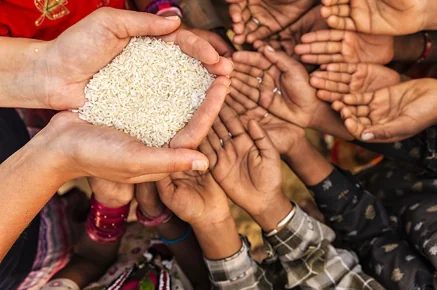
The impact of rising food prices is particularly severe in developing economies, where households often spend a large proportion of their income on basic necessities.
When food becomes more expensive, families may reduce spending on healthcare, education and other essential services. Low-income households are especially vulnerable because they have fewer savings and limited financial protection against sudden price increases.
Countries in parts of Africa and other import-dependent regions face additional challenges from currency depreciation, high transportation costs and limited public resources.
The World Bank’s October 2026 Food Security Update estimates that between 58 million and 69 million people in Eastern and Southern Africa could require food assistance by April 2027. Conflict and weather-related disruptions remain important drivers of food insecurity in vulnerable regions.
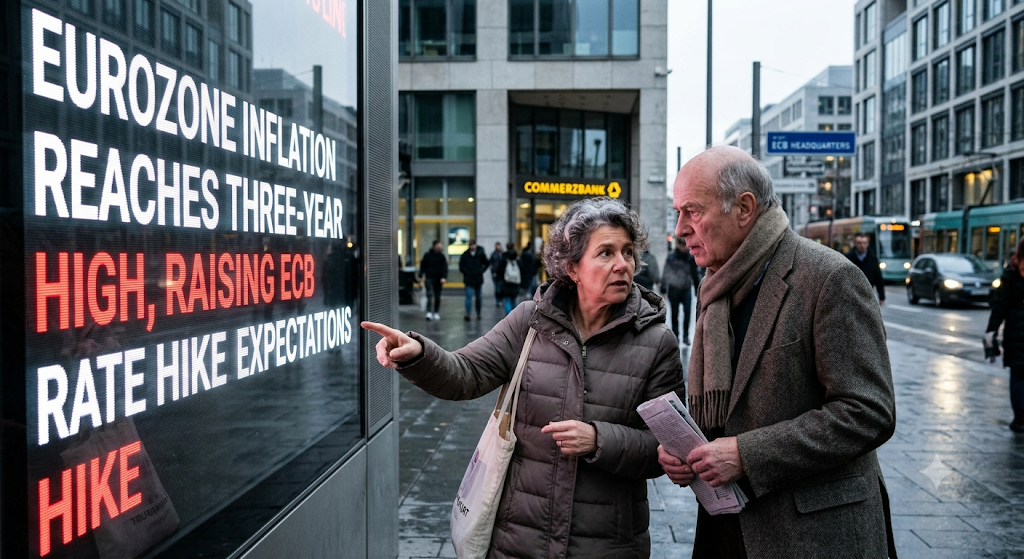
Food price increases can also create wider economic consequences. Higher food inflation reduces purchasing power, weakens consumer confidence and makes it more difficult for central banks to control overall inflation.
Governments and Businesses Must Strengthen Food Security
Addressing food price instability requires coordinated action from governments, international organisations and the private sector.
Governments should invest in climate-resilient agriculture, modern irrigation systems, improved storage facilities and rural transportation infrastructure. These investments can reduce crop losses and help farmers maintain production despite difficult weather conditions.
Improving access to affordable agricultural credit, quality seeds, fertilisers and modern farming technology can also strengthen productivity.
International cooperation is equally important. Countries should avoid unnecessary export restrictions that reduce global food availability and increase price volatility. Transparent trade policies and reliable supply networks can help prevent local shortages from developing into wider international crises.
Businesses can contribute by diversifying suppliers, improving inventory management and investing in efficient logistics and food-storage systems.
The Worldonomics Times View
The global food price challenge is no longer simply an agricultural issue; it is an economic stability, development and human welfare concern. Extreme weather, geopolitical tensions and rising production costs are increasingly interconnected, making food systems more vulnerable to sudden disruptions.
Although the FAO’s October figures show a monthly decline in international food prices, this should not create a false sense of security. Prices remain higher than a year ago, and the risks associated with climate conditions, energy markets and international transportation continue to threaten affordability.
The Worldonomics Times believes that food security must become a central priority of national economic planning. Governments should move beyond short-term price controls and emergency import measures towards long-term investment in agricultural productivity, water management, climate adaptation and resilient supply chains.
Particular attention must be given to small farmers and low-income households. Targeted financial assistance, effective public distribution systems and access to affordable agricultural inputs can help protect vulnerable communities without creating unnecessary market distortions.
International cooperation must also remain a priority. Food-exporting countries should maintain predictable trade policies, while global institutions should support countries facing severe shortages and financing constraints.
Ultimately, the world produces food through a global system that depends on cooperation, stable trade and environmental sustainability. Protecting this system requires investment today, not only emergency action after a crisis begins.
A secure food future will depend on building agricultural systems that can withstand climate shocks, maintaining open and reliable trade routes, and ensuring that affordable nutrition remains accessible to everyone.