By The Worldonomics Times
Category: Global Economy | November 2026
International trade relations are entering a new phase as governments reassess economic policies, strengthen domestic industries and respond to changing geopolitical and market conditions. Trade has long been a major driver of global economic growth, connecting manufacturers, suppliers, consumers and investors across national borders. However, changing policy priorities are reshaping how countries approach international commerce.
Governments are increasingly focusing on supply chain security, domestic manufacturing, strategic industries and economic resilience. New tariffs, trade agreements, industrial incentives and regulatory requirements are influencing business decisions and international investment flows.
As a result, companies are adapting their sourcing and production strategies, while governments seek to balance national economic interests with the benefits of global cooperation.
Changing Trade Policies Reshape Global Markets
Trade policies play an important role in determining how goods and services move between countries. Tariffs, import regulations, export controls and customs procedures can influence production costs, market access and business competitiveness.
In recent years, governments have placed greater emphasis on protecting strategic industries and reducing excessive dependence on foreign suppliers. Sectors such as semiconductors, pharmaceuticals, energy equipment, food production and advanced manufacturing have received particular attention.
While such policies may strengthen domestic production capabilities, they can also increase costs for businesses that depend on imported materials and components.
Companies operating internationally must therefore monitor policy developments and adjust their commercial strategies to remain competitive.
Protectionism and the Future of Globalisation
The growing use of protectionist measures is creating new questions about the future of globalisation. Some governments are introducing policies designed to encourage domestic manufacturing, support local employment and protect industries considered important for national security.
These measures can provide opportunities for domestic businesses, particularly in sectors facing strong international competition. However, excessive trade restrictions may reduce competition, limit consumer choice and increase prices.
International businesses also face uncertainty when trade rules change frequently. Manufacturers may delay investment decisions if they are unsure about future tariffs, market access or regulatory requirements.
The challenge for governments is to protect legitimate national interests without creating unnecessary barriers to international economic activity.
Supply Chains Become More Diversified
One of the most important developments in international trade is the growing focus on supply chain diversification.
Businesses previously concentrated heavily on cost efficiency when selecting manufacturing locations and suppliers. However, disruptions caused by geopolitical tensions, transportation difficulties, natural disasters and public health emergencies have highlighted the risks of relying on limited sources.
Many companies are now exploring strategies such as nearshoring, friendshoring and sourcing from multiple countries. These approaches aim to improve supply chain resilience and reduce exposure to unexpected disruptions.
Although diversification can increase operational costs, it may help businesses maintain production and deliveries during periods of uncertainty.
Countries that offer reliable infrastructure, skilled workers, competitive production costs and predictable regulations may attract additional manufacturing investment.
Regional Trade Agreements Gain Importance
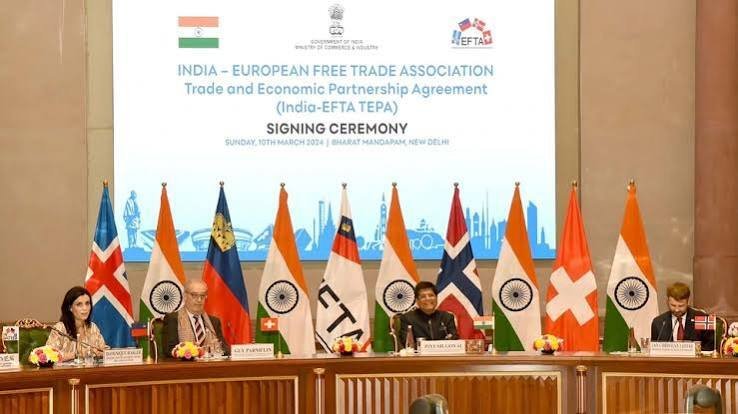
Regional trade agreements are becoming important instruments for strengthening economic relationships. These agreements can reduce tariffs, simplify customs procedures and establish common rules for trade and investment.
Regional partnerships may also help countries improve transportation links, expand industrial cooperation and develop integrated supply chains.
For developing economies, participation in regional trade arrangements can provide access to larger consumer markets and opportunities to attract foreign investment.
However, the benefits of such agreements depend on effective implementation, transparent regulations and fair access for businesses of different sizes.
Stronger regional cooperation can complement wider international trade frameworks and create additional opportunities for economic development.
Technology and Digital Trade Transform Commerce
Technology is changing the structure of international trade. Digital platforms, cloud computing, electronic payments and artificial intelligence are allowing businesses to reach customers and manage operations across borders more efficiently.
E-commerce has created opportunities for small and medium-sized enterprises to sell products internationally without establishing extensive physical distribution networks.
Digital services, software, financial technology and online professional services are also becoming important components of cross-border commerce.
At the same time, governments face new policy challenges involving data protection, cybersecurity, digital taxation and cross-border data transfers.
Developing clear and compatible digital trade rules will be essential for supporting innovation while protecting businesses and consumers.
India’s Position in the Changing Trade Environment
India has opportunities to strengthen its role in international trade as companies diversify supply chains and explore additional manufacturing locations.
The country’s large domestic market, expanding industrial capabilities, skilled workforce and growing digital economy provide a foundation for greater participation in global commerce.
Government initiatives supporting manufacturing, infrastructure development and export promotion are intended to improve India’s competitiveness across several industries.
Sectors such as pharmaceuticals, engineering goods, electronics, textiles, automobiles and information technology services offer opportunities for deeper international engagement.
However, challenges remain. Export competitiveness depends on efficient logistics, reliable infrastructure, product quality, regulatory consistency and access to international markets.
India’s ability to strengthen trade relationships will also depend on building productive partnerships with developed and emerging economies while maintaining a balanced approach to international economic cooperation.
Challenges for Businesses and Developing Economies
Changing trade policies can create difficulties for businesses, particularly smaller exporters and manufacturers with limited financial resources.
Sudden tariff changes, additional documentation requirements and differences in technical standards can increase compliance costs and delay shipments.
Developing economies may face additional challenges because their industries often depend on imported machinery, technology and intermediate goods.
To manage these risks, businesses need stronger market research, diversified supplier networks and better understanding of international regulations.
Governments can support exporters through trade facilitation, digital customs systems, export financing, skills development and access to reliable market information.
The Worldonomics Times View
At The Worldonomics Times, we believe that international trade is entering a period of adjustment rather than simply moving away from globalisation.
Governments are placing greater importance on economic security and domestic industrial capacity, but international markets remain essential for investment, innovation and economic growth.
Trade policies should therefore seek a practical balance between national priorities and international cooperation. Excessive restrictions can raise costs and weaken business confidence, while transparent rules and constructive partnerships can create opportunities for both established and emerging economies.
Developing countries should also receive meaningful opportunities to participate in global trade through improved market access, infrastructure investment and technology cooperation.
The Worldonomics Times believes that the future of international trade will depend on policies that strengthen economic resilience while preserving the benefits of open, fair and predictable global commerce.
Conclusion
International trade relations are entering a new phase as governments introduce policy changes to address economic security, industrial development and supply chain vulnerabilities.
These developments are influencing manufacturing decisions, investment flows and the movement of goods and services across borders. Although policy uncertainty and protectionist measures present challenges, new regional partnerships and digital trade opportunities are also emerging.
For businesses and governments, adaptability, transparency and international cooperation will remain essential.
The long-term success of global trade will depend on creating a system that supports national development while maintaining reliable economic connections between countries.