The Worldonomics Times | November 2026
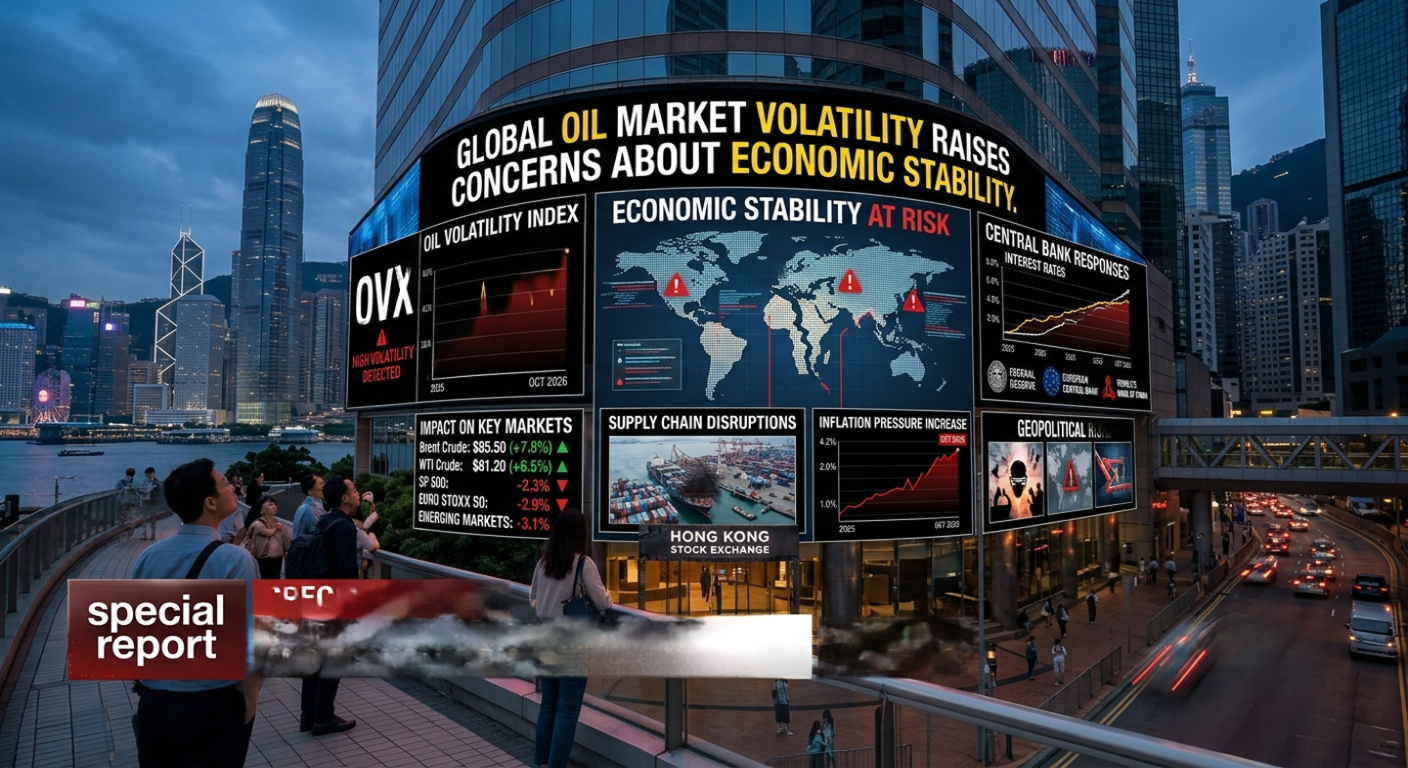
Global oil markets remain highly sensitive to geopolitical developments, changing energy demand and decisions taken by major oil-producing nations. As crude oil continues to play a central role in transportation, manufacturing, electricity generation and international trade, fluctuations in oil prices have significant implications for the global economy. Geopolitical tensions, supply disruptions, production adjustments and changing consumption patterns are creating uncertainty across international energy markets.
Oil prices are influenced by a combination of supply and demand factors. While economic expansion can increase energy consumption, weaker industrial activity and slower global growth may reduce demand. At the same time, political instability in important oil-producing regions can create concerns about supply availability, leading to market volatility.
For governments, businesses and investors, monitoring oil price movements has become essential for understanding inflation, economic growth and future energy investment requirements.
Geopolitical Tensions Influence Global Oil Supply
Geopolitical developments remain among the most important factors affecting crude oil prices. Conflicts, international sanctions, political instability and tensions involving major energy-producing regions can disrupt production, transportation and exports.
The Middle East remains particularly important to global energy security because of its significant oil production and strategic shipping routes. Any disruption affecting the Strait of Hormuz, a critical passage for international oil shipments, can create concerns about global supply availability.
Similarly, developments involving Russia and other major energy producers can influence international trade flows, pricing structures and supply arrangements.
Even when actual production remains stable, uncertainty surrounding potential disruptions can influence market expectations and contribute to price fluctuations. Traders and investors closely monitor geopolitical developments to assess possible risks to future supply.
OPEC+ Production Decisions Shape Market Conditions
The production strategies of major oil-producing countries also play a significant role in determining global oil prices. OPEC+, which includes members of the Organization of the Petroleum Exporting Countries and other participating producers, regularly assesses market conditions and production requirements.
Production cuts or increases can influence the balance between global supply and demand. When producers reduce output, the intention may be to prevent excessive supply and support market stability. Conversely, increased production can help improve availability when demand strengthens.
However, the effectiveness of these decisions depends on compliance among participating countries, production levels outside the group and the overall strength of global consumption.
Investors therefore pay close attention to OPEC+ meetings and production announcements when evaluating the direction of energy markets.
Changing Global Demand Creates Price Uncertainty
Global oil demand is closely connected to economic activity. Industrial production, international transportation, aviation, manufacturing and consumer spending all contribute to energy consumption.
When major economies experience stronger growth, demand for crude oil and petroleum products may increase. However, slower economic activity in major markets can reduce consumption and create downward pressure on prices.
China’s industrial performance, economic recovery and transportation demand remain important factors influencing global oil consumption. Similarly, developments in the United States, Europe and emerging Asian economies contribute to changes in international energy requirements.
Seasonal consumption patterns also affect demand. Travel activity, heating requirements and industrial production cycles can influence the use of petroleum products throughout the year.
Impact on Inflation and the Global Economy
Oil price movements have a direct impact on inflation and overall economic performance. Higher crude oil prices can increase transportation expenses, manufacturing costs, electricity-related expenses and the prices of several essential goods and services.
For countries that depend heavily on imported energy, rising oil prices can increase import bills and place pressure on current account balances and domestic currencies.
India, for example, is particularly exposed to international crude oil price movements because of its substantial dependence on imported petroleum. Higher prices can influence fuel costs, inflation expectations and government expenditure, while also affecting businesses that rely on transportation and energy-intensive production.
Conversely, lower oil prices can reduce import costs, support household purchasing power and ease inflationary pressures. However, sustained price declines may create financial challenges for oil-producing economies and energy companies.
Energy Transition and the Future of Oil Demand
The global transition towards renewable energy and cleaner technologies is gradually influencing long-term expectations for oil demand. Governments and businesses are increasing investments in solar power, wind energy, electric vehicles, battery storage and alternative fuels.
Electric vehicle adoption, energy efficiency improvements and stricter environmental regulations could gradually reduce oil consumption in certain sectors.
Nevertheless, oil remains an important component of the global energy system, particularly in aviation, shipping, petrochemicals and heavy industries. The pace of the energy transition will vary across countries depending on infrastructure, technology, investment and affordability.
As a result, traditional energy markets and renewable energy development are likely to remain interconnected during the transition period.
The Worldonomics Times View
The Worldonomics Times believes that oil price stability is essential for maintaining broader economic confidence. While geopolitical tensions and production decisions will continue to influence short-term market movements, long-term energy security requires greater diversification of supply sources and investment in alternative energy infrastructure.
Governments should focus on strengthening strategic petroleum reserves, improving energy efficiency and developing reliable domestic energy capabilities. Businesses should also prepare for price volatility through better cost management, diversified procurement strategies and long-term energy planning.
The transition towards cleaner energy should be approached strategically, ensuring that environmental objectives are balanced with affordability, industrial competitiveness and energy security.
Outlook: Energy Markets Remain Central to Global Stability
Looking ahead, oil prices will continue to depend on the interaction between geopolitical developments, production policies, economic growth and changing consumption patterns. Any significant disruption to supply or unexpected shift in demand could influence international energy prices and financial market expectations.
For oil-importing economies, managing energy costs will remain an important economic priority. Oil-producing nations, meanwhile, will need to balance production strategies with long-term market changes and the evolving global energy landscape.
Ultimately, oil remains more than a commodity; it is a strategic economic resource that influences inflation, trade, investment and international relations. The ability of countries to manage energy uncertainty and build resilient supply systems will play an important role in shaping future global economic stability.
The Worldonomics Times | Bringing global economic developments, financial insights and business perspectives into focus.