By The Worldonomics Times | Global Economy
Date: 3 November 2026
Agricultural Trade Commitments Face Uncertainty
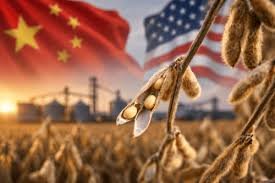
Agricultural trade between the United States and China is facing renewed uncertainty as Chinese purchases of several American farm products remain below expectations. Although both countries have announced commitments intended to strengthen agricultural trade, the pace of actual imports has raised questions about whether the agreed targets can be achieved.
The issue is important for American farmers, agricultural exporters and international commodity markets. China is one of the world’s largest agricultural importers, while the United States is a major supplier of soybeans, corn, meat, sorghum and other farm products. Any significant change in Chinese purchasing patterns can influence global commodity prices and trade flows.
According to a Reuters analysis published on 2 November 2026, China’s purchases of US agricultural products other than soybeans are on course to reach their lowest level in seven years. The figures highlight the gap between announced trade commitments and actual import activity.
Understanding the US-China Agricultural Commitments
In May 2026, the White House announced that China had agreed to purchase at least US$17 billion worth of American agricultural products annually in 2026, 2027 and 2028. The target for 2026 was to be calculated on a prorated basis. These purchases were separate from China’s earlier commitment to buy US soybeans.
The agreement was intended to improve market access for American agricultural producers and provide greater certainty for exporters following a period of trade tensions and tariff-related disruptions.
However, the implementation of the commitment has become complicated. Reuters reported that China purchased approximately US$7.2 billion worth of US agricultural products other than soybeans between January and September 2026. This included products such as meat, corn and other agricultural commodities.
The figure represents a relatively weak performance compared with previous years. Nevertheless, there is some uncertainty about the precise calculation of the 2026 target because the timing of the commitment remains unclear. The proposed Chinese tariff reductions have also not been fully finalised.
Consequently, it is not yet possible to determine conclusively whether China has failed to meet its commitment. However, the slower purchasing pace has raised concerns among American agricultural groups.
Soybean Purchases Show a Different Trend
Soybeans remain the most important component of US agricultural exports to China. The country is the world’s largest soybean importer, using the crop primarily for animal feed and the production of soybean oil.
China has made a separate commitment to purchase 25 million metric tonnes of US soybeans for the 2026/27 marketing year. Unlike other agricultural products, soybean purchases have shown signs of progress.
In October, Reuters reported that Chinese state-owned trading companies had purchased additional US soybean cargoes scheduled for delivery between December 2026 and March 2027. These transactions brought estimated purchases closer to the annual target.
However, broader import statistics show that the recovery remains uneven. China imported approximately 360,878 metric tonnes of US soybeans in September 2026, compared with no imports from the United States in September 2025. Despite this improvement, US soybean imports during January–September were down 34% from the previous year.
The difference between recent purchases and cumulative import figures reflects the timing of shipments. Some newly purchased cargoes are scheduled for delivery in later months and therefore do not immediately appear in customs import statistics.
Competition from Brazil and Other Agricultural Exporters
One of the major challenges facing American agricultural exporters is increasing competition from other countries, particularly Brazil.
Brazil has become a leading supplier of soybeans to China because of its competitive prices, large agricultural production capacity and established export infrastructure. Chinese buyers have also diversified their sources of agricultural imports to reduce dependence on a single supplier.
In September 2026, China imported approximately 10.7 million tonnes of soybeans from Brazil, compared with around 361,000 tonnes from the United States. Brazilian shipments increased during the period, while US imports remained substantially lower than their previous-year levels.
Competition is also affecting other agricultural products. Brazil has expanded its position in China’s sorghum market, while domestic oversupply has reduced Chinese demand for imported corn.
These developments demonstrate that agricultural purchasing decisions are influenced not only by diplomatic commitments but also by prices, availability, transportation costs and domestic demand.
Weak Chinese Demand Creates Additional Pressure
Domestic economic conditions in China are another important factor influencing agricultural imports. Lower demand for animal feed and weak profitability among some agricultural processors have reduced the incentive to purchase additional imported commodities.
China has also faced oversupply in certain meat markets, particularly pork and chicken. This has limited the need for additional imported animal products.
American beef exporters face further difficulties because of high prices and regulatory restrictions affecting eligible export facilities. Although China renewed the export listings of more than 400 US beef facilities in May, some American processing plants remain ineligible to export to the Chinese market.
These restrictions, together with differences in prices and demand, make it difficult for US exporters to expand shipments quickly.
Industry analysts have suggested that greater purchases by Chinese state-owned trading companies may be necessary if the country is to meet its broader agricultural import commitment.
Impact on American Farmers and Global Markets
The slower pace of Chinese purchases is creating uncertainty for American farmers, particularly those producing soybeans, corn and other export-oriented crops.
Agricultural producers depend on international markets to sell their harvests. When a major importing country reduces purchases, farmers may face lower selling prices, increased storage requirements and difficulties planning future production.
The issue is particularly important during the US harvest season, when farmers are bringing new crops to market and need reliable export demand.
Lower Chinese demand can also affect international commodity prices. If China purchases more agricultural products from Brazil or other suppliers, global trade flows may shift, influencing shipping costs, regional price differences and competition among exporters.
For India and other agricultural economies, changes in US-China trade patterns could create both opportunities and challenges. Shifts in global soybean, corn and other commodity supplies may influence international prices, although the impact will depend on domestic production, import requirements and market conditions.
Trade Relations Require Greater Clarity
The agricultural purchasing commitments form part of a wider effort by Washington and Beijing to stabilise their economic relationship. However, differences over tariffs, market access and implementation remain important obstacles.
Clearer timelines, transparent reporting and consistent customs procedures could help both countries evaluate progress and reduce uncertainty among businesses.
The United States is seeking reliable export opportunities for its agricultural producers, while China continues to balance international purchasing commitments against domestic supply conditions and commercial considerations.
Both sides have an economic interest in maintaining predictable agricultural trade. A prolonged disagreement could create additional uncertainty for farmers, exporters, food processors and commodity markets.
The Worldonomics Times Views
The challenges facing US-China agricultural trade demonstrate that international purchasing commitments must be supported by practical market conditions. Government announcements can encourage confidence, but successful trade agreements ultimately depend on actual shipments, competitive prices and reliable market access.
Both countries should focus on transparent implementation and regular communication to address differences over purchasing targets and tariff arrangements. The United States should also continue diversifying its agricultural export markets rather than depending excessively on a single major buyer.
China, meanwhile, must balance its domestic agricultural requirements with its international trade commitments. Greater clarity over purchasing schedules and market access would help reduce uncertainty for exporters and agricultural producers.
A stable agricultural trading relationship would benefit not only the two countries but also the wider international food supply chain.
Conclusion
US-China agricultural trade is facing challenges as Chinese purchases of several American farm products remain below expectations. While soybean purchases are showing signs of progress, imports of other agricultural commodities have remained relatively weak, raising questions about the implementation of the US$17 billion annual purchasing commitment.
Competition from Brazil, domestic demand conditions, pricing differences and regulatory barriers are contributing to the situation. The coming months will be important in determining whether China can increase purchases sufficiently to meet its commitments.
A clearer trade framework, stronger market access and continued diplomatic engagement will be essential to maintaining confidence in one of the world’s most important agricultural trading relationships.