Geopolitical tensions, energy supply disruptions and climate-related pressures are expected to push global commodity prices sharply higher in 2026. The World Bank warns that rising costs for oil, gas, food and industrial metals could intensify inflation, weaken purchasing power and create fresh challenges for the global economic recovery.
The global economy is preparing for another difficult period as commodity markets face a combination of geopolitical, environmental and supply-chain disruptions. According to the World Bank’s Commodity Markets Outlook, published on October 28, 2026, overall commodity prices are projected to increase by 23% during the year.
The forecast represents a significant reversal after three consecutive years of declining energy prices. The report highlights how the conflict in the Middle East, disruptions to international shipping, hostilities affecting energy infrastructure and increasingly uncertain agricultural conditions are reshaping global commodity markets.
The implications extend far beyond the energy sector. Higher commodity prices affect manufacturing, transportation, agriculture, construction and household consumption. For governments already managing inflation, high borrowing costs and public debt, another price shock could complicate economic planning.
Energy Prices Lead the Commodity Surge
Energy is expected to be the largest contributor to the increase in global commodity prices. The World Bank projects that energy prices will rise by 32% in 2026, reversing the downward trend experienced over the previous three years.
Brent crude oil is forecast to average approximately $91 per barrel in 2026, compared with $69 in 2025. The Bank expects prices to moderate to around $79 per barrel in 2027, assuming that major geopolitical disruptions do not intensify.
The Middle East remains central to the current supply uncertainty. The conflict has affected oil production and shipping routes, while disruptions around the Strait of Hormuz have reduced the availability of energy supplies and contributed to withdrawals from global inventories.
The World Bank estimates that global oil supply could decline by 5.2% in 2026, representing the largest annual reduction in more than four decades outside the 2020 global recession.
Natural gas markets are also under pressure. Competition for limited liquefied natural gas supplies has increased costs for European and Asian importers, affecting electricity generation, industrial production and heating expenses.
Food Prices and Fertiliser Costs Add Pressure
The impact of commodity inflation is not limited to energy. Agricultural markets are facing additional challenges from disrupted grain shipments, higher transportation expenses and climate-related uncertainty.
The World Bank expects food commodity prices to rise by approximately 10% in 2026, followed by a further 7% increase in 2027. Together, these increases represent an estimated 18% rise over the two-year period.
A particularly important concern is the possibility of a strong El Niño weather pattern affecting agricultural production. Changes in rainfall and temperature can reduce crop yields, disrupt growing seasons and increase uncertainty for food exporters.
Fertiliser prices are also expected to increase by 14% in 2026. Since fertilisers are essential for maintaining agricultural productivity, higher prices can raise costs for farmers and eventually contribute to more expensive food supplies.
These developments could be especially difficult for lower-income countries, where households spend a substantial proportion of their income on basic food products.
Industrial Metals and Precious Metals Reach New Highs
Industrial metals are another important part of the World Bank’s outlook. Prices are projected to increase by 25% in 2026, with aluminium, copper and tin reaching record highs.
Demand from renewable-energy projects, electric vehicles, electricity networks and data-centre construction is supporting consumption. At the same time, supply disruptions and limited short-term production growth are contributing to tighter market conditions.
Precious metals are also expected to rise considerably. The World Bank forecasts an increase of approximately 40% in precious-metal prices during 2026, reflecting demand for safe-haven assets amid geopolitical uncertainty and concerns about financial and economic stability.
Gold and other precious metals often attract investors during periods of uncertainty. Their price movements therefore reflect not only industrial demand but also changing expectations about inflation, currencies and international political risks.
Inflation and Global Economic Growth at Risk
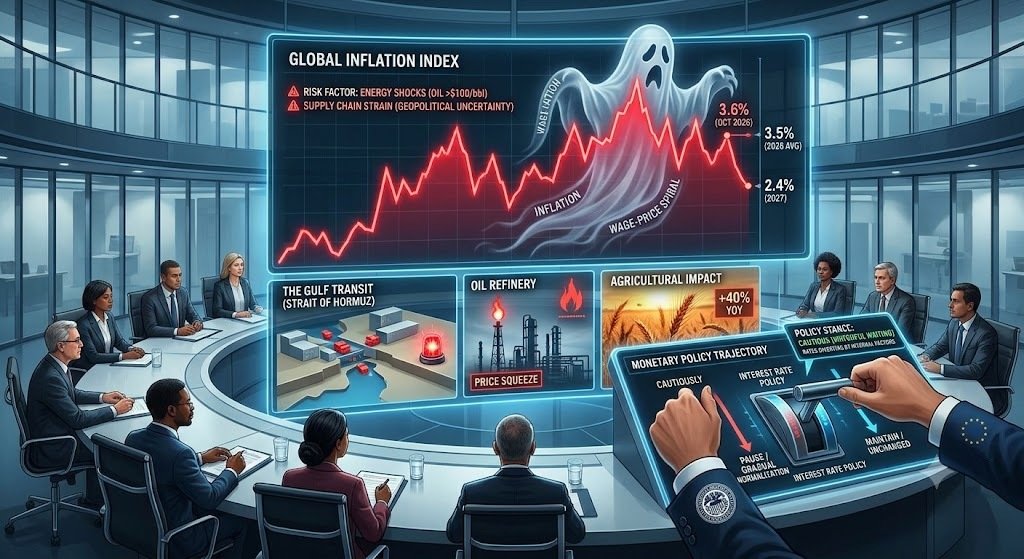
Rising commodity prices can create inflationary pressure across the international economy. Higher oil and gas costs increase transportation and electricity expenses, while expensive raw materials raise the cost of manufacturing and construction.
Businesses may attempt to absorb these additional expenses, but companies facing limited profit margins are more likely to pass some of the costs on to customers.
This can reduce household purchasing power and weaken consumer demand. Central banks may also find it more difficult to reduce interest rates if energy and food prices keep inflation elevated.
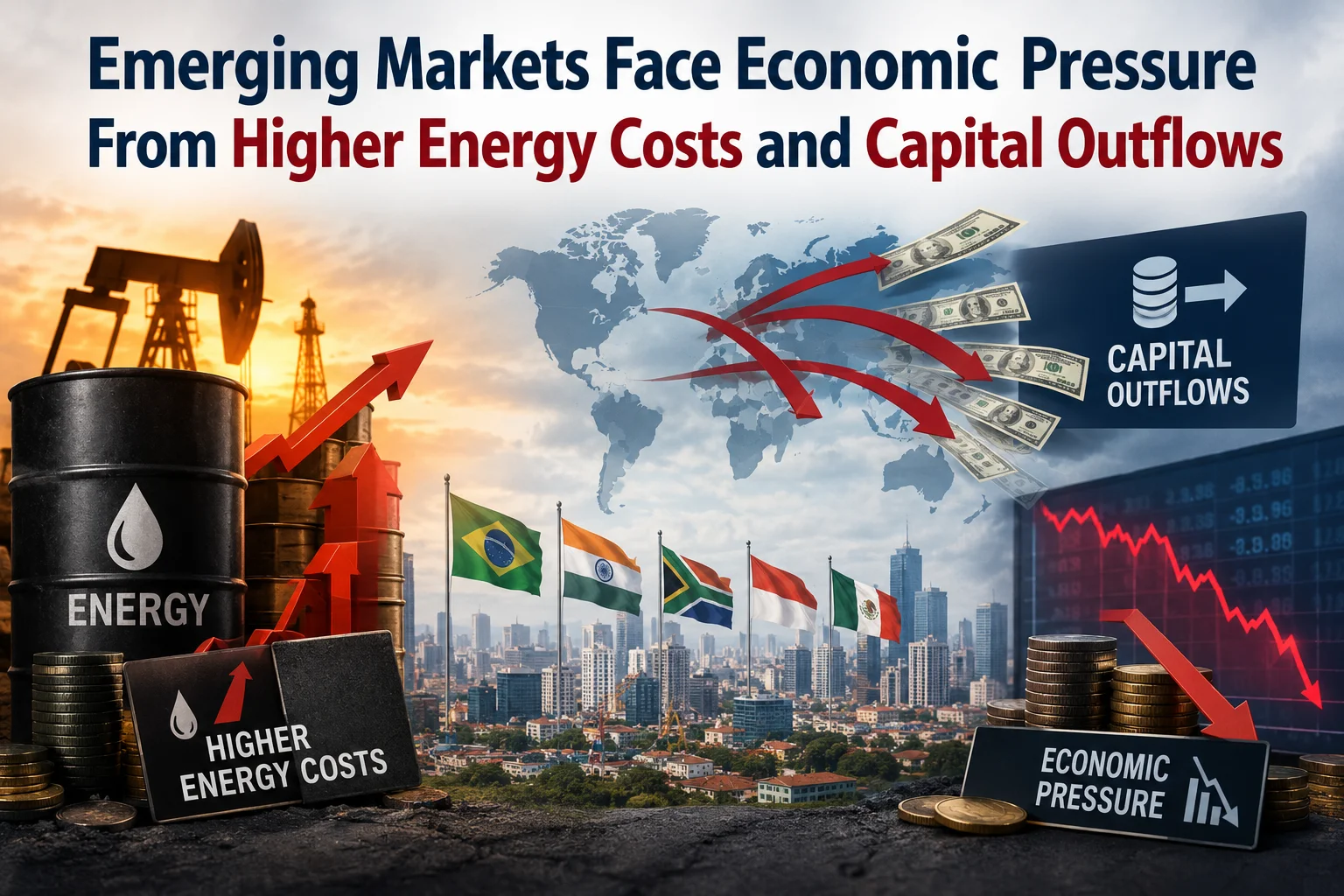
Developing economies are particularly exposed. Countries dependent on imported fuel, fertilisers and agricultural products may experience larger trade deficits, currency pressure and increased government expenditure.
The challenge is particularly serious for countries with limited foreign-exchange reserves and high external debt. Higher import bills can leave governments with fewer resources for infrastructure, education and social protection.
Risks Could Extend into 2027
Although the World Bank expects overall commodity prices to decline by approximately 7% in 2027, its outlook remains vulnerable to further disruptions.
An escalation of the Middle East conflict, continued damage to Russian oil infrastructure, attacks affecting Black Sea grain shipments and severe El Niño conditions could push prices significantly above current projections.
In an adverse scenario, the World Bank warns that Brent crude could average $105 per barrel in 2027, while food commodity prices could be 12% higher than projected in its baseline forecast.
The report also highlights the importance of depleted oil inventories. With lower stocks available to absorb unexpected disruptions, global markets may be more vulnerable to another major supply shock.
The Worldonomics Times View
The World Bank’s 23% commodity-price forecast is an important warning that geopolitical instability and supply-chain disruptions can quickly become global economic problems.
The challenge is not simply that commodities are becoming more expensive. It is that higher energy, food and industrial input costs can reinforce one another, creating inflationary pressure across multiple sectors simultaneously.
Governments should prioritise energy diversification, stronger agricultural supply chains, strategic reserves and investment in infrastructure. Developing economies, in particular, need better access to affordable financing so that temporary commodity shocks do not become long-term economic setbacks.
Policymakers must also protect vulnerable households without creating unsustainable fiscal burdens. Targeted support, improved logistics, efficient energy use and investment in domestic production can help reduce exposure to international price volatility.
For businesses, the changing commodity environment makes supply-chain flexibility and cost management increasingly important. Companies that diversify suppliers, improve efficiency and plan for price fluctuations will be better positioned to manage uncertainty.
The Worldonomics Times believes that the next phase of global economic stability will depend heavily on how effectively countries manage commodity supply risks. Affordable energy, reliable food supplies and resilient industrial production are not merely trade priorities; they are essential foundations for sustainable economic growth.