The World Economy Faces Uneven Recovery as Geopolitical Conflicts, Inflation and AI Investment Reshape the Global Outlook
By The Worldonomics Times Desk
October 27, 2026
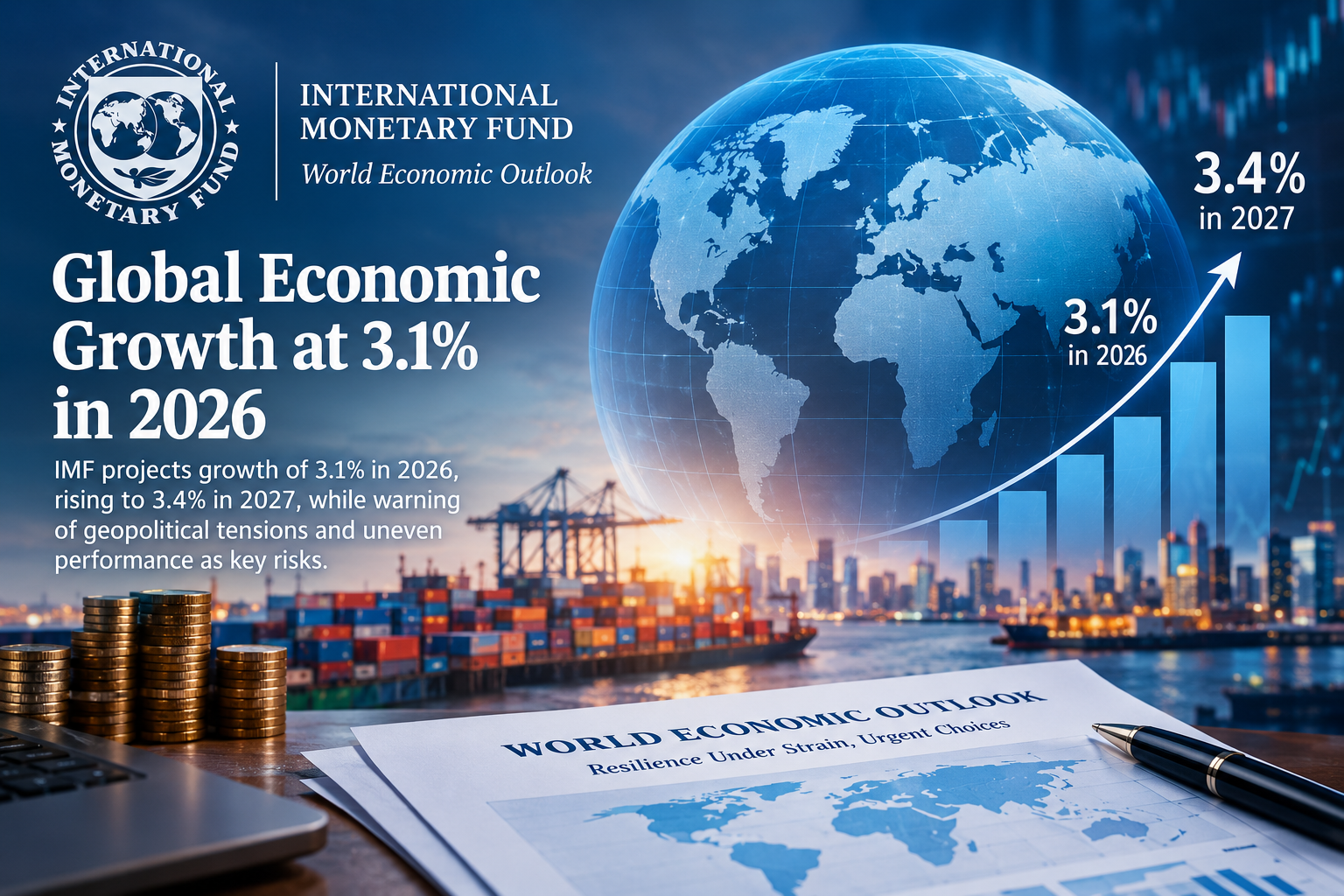
The global economy is expected to grow by 3.1% in 2026 before strengthening to 3.4% in 2027, according to the latest World Economic Outlook released by the International Monetary Fund (IMF). While the forecast indicates that the world economy continues to demonstrate resilience amid persistent uncertainty, the international financial institution has warned that geopolitical tensions, rising commodity prices, financial vulnerabilities and uneven economic performance could threaten the recovery.
The IMF’s October report, titled Resilience Under Strain, Urgent Choices, highlights a global economic landscape shaped by two competing forces: the economic boost from artificial intelligence (AI) investment and the negative effects of geopolitical conflicts and energy market disruptions. Although these factors are helping sustain overall economic activity, their benefits remain unevenly distributed across countries and industries.
The projected growth rate for 2026 remains below the estimated 3.5% expansion recorded in 2025, indicating that the global economy continues to face considerable headwinds. The anticipated improvement in 2027 offers some optimism, but the outlook remains vulnerable to unexpected developments. [Source: IMF World Economic Outlook, October 2026.]
Geopolitical Tensions Weigh on Economic Stability
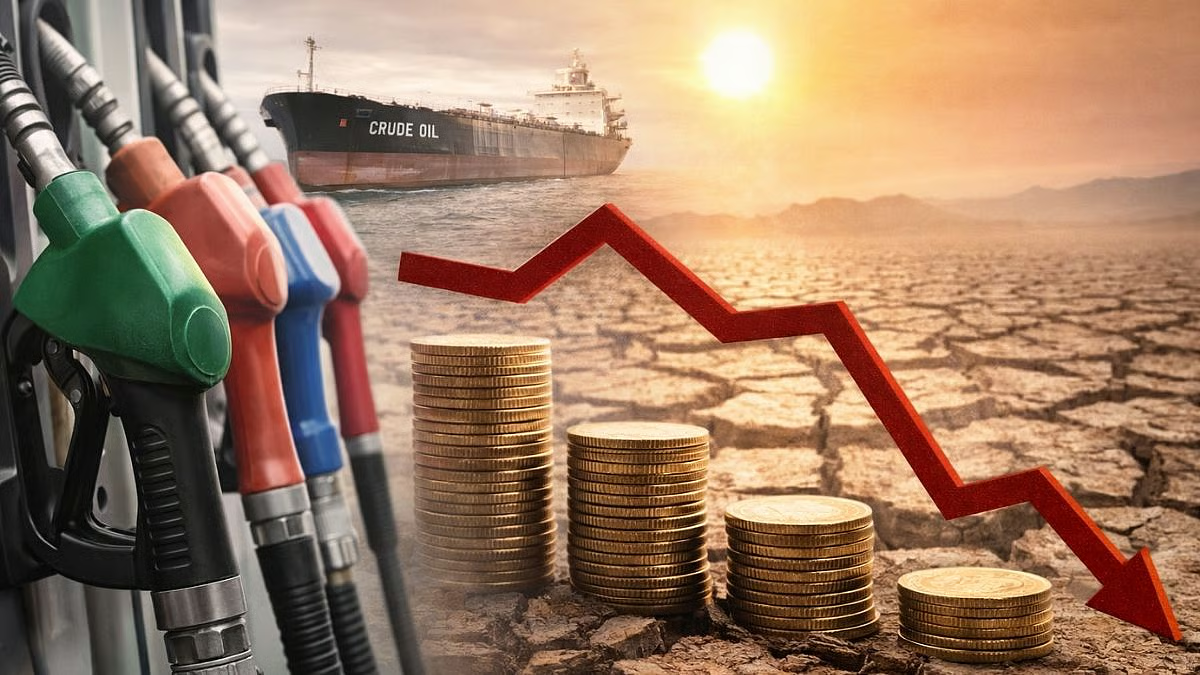
Geopolitical uncertainty remains one of the most significant challenges confronting the global economy. Conflicts and disruptions affecting energy supplies have increased pressure on commodity markets, raised business costs and complicated economic planning.
Higher energy prices can influence nearly every major sector, from transportation and manufacturing to agriculture and international logistics. When oil and other essential commodities become more expensive, businesses often face higher operating costs, some of which are passed on to consumers through increased prices.
Energy-importing economies are particularly exposed to these developments because they must spend more to secure essential supplies. For countries already struggling with inflation, rising import bills can weaken currencies, widen trade deficits and place additional pressure on public finances.
The IMF has cautioned that a further escalation of conflicts could intensify these pressures, reduce business confidence and weaken investment. Renewed disruptions to international trade routes could also affect the movement of goods, increasing costs for businesses and consumers worldwide.
Inflation Remains a Major Concern
Despite efforts by central banks to control price increases, inflation continues to pose a challenge. The IMF projects global headline inflation to rise to 4.7% in 2026 before easing to 4.1% in 2027.
Higher energy and food prices are among the factors contributing to this outlook. Rising costs can reduce household purchasing power, particularly for lower-income families, who generally devote a larger share of their budgets to essential goods and services.
Persistent inflation also creates difficult choices for central banks. Keeping interest rates elevated may help contain price pressures, but it can increase borrowing costs for households, businesses and governments. Conversely, easing monetary policy too quickly could risk prolonging inflation if supply-side pressures remain strong.
Policymakers must therefore balance price stability with the need to support employment, investment and sustainable economic growth.
Artificial Intelligence Provides a Growth Boost
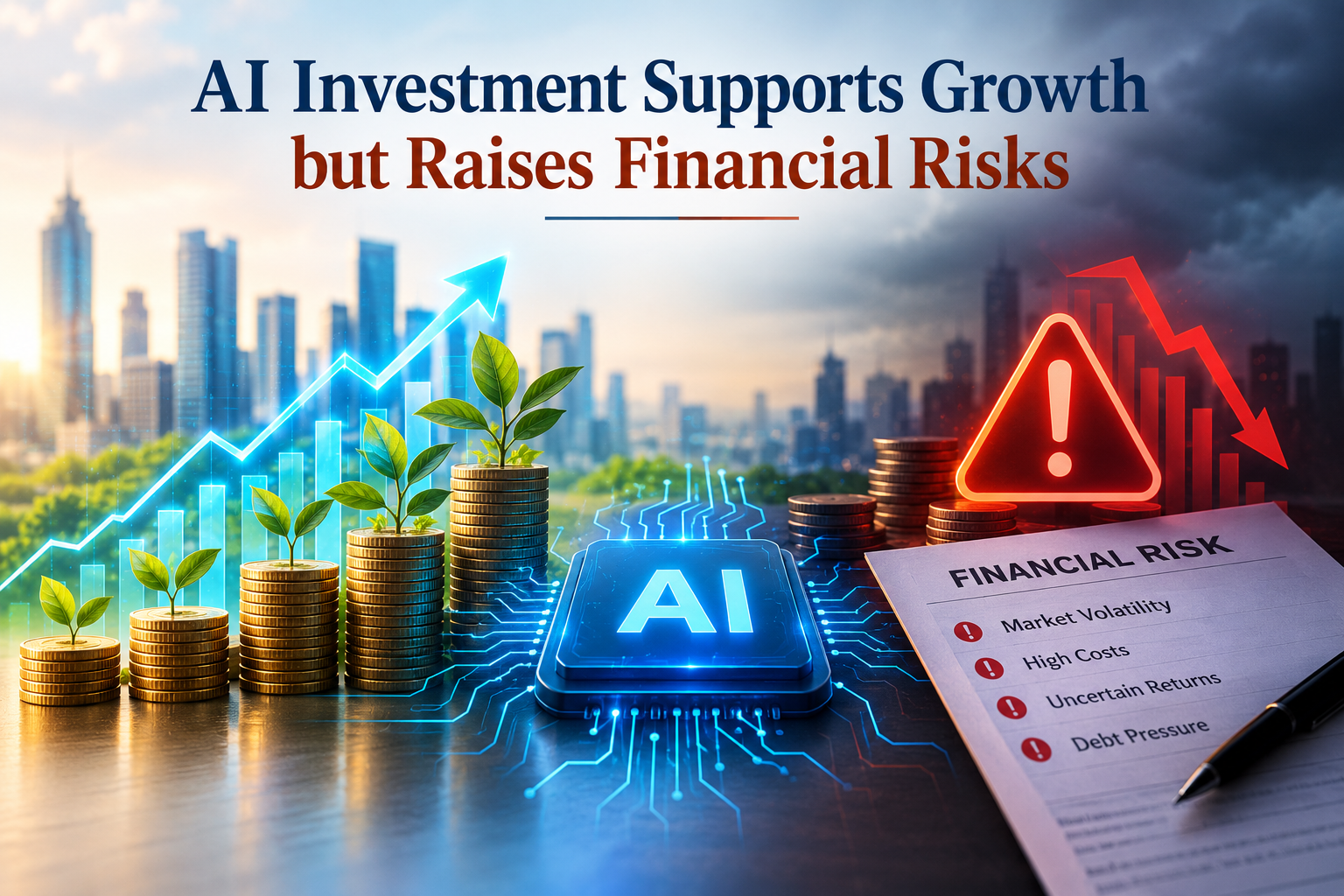
While geopolitical developments create significant challenges, investment in artificial intelligence and related technologies is emerging as an important source of economic momentum.
Businesses are increasing investment in computing infrastructure, data centres, advanced semiconductors and digital services as they seek to improve productivity and develop new commercial opportunities. This investment supports demand across technology supply chains and can encourage innovation in industries ranging from manufacturing to financial services.
However, the IMF has also identified risks associated with elevated expectations surrounding AI. If anticipated productivity gains or corporate earnings fail to justify current investment and market valuations, a reassessment could trigger financial market volatility.
The long-term economic benefits of AI will depend on how effectively businesses adopt these technologies, improve productivity and develop new sources of employment and income. Countries that build technological capabilities and invest in workforce skills may be better positioned to benefit from this transformation.
Uneven Growth Across Countries
The global growth forecast conceals substantial differences between economies. Countries with strong participation in technology-related investment may experience more favourable conditions, while economies dependent on imported energy and commodities could face greater difficulties.
Developing countries are particularly vulnerable when higher import costs coincide with limited fiscal resources, expensive borrowing and weaker external demand. These pressures can restrict public investment in infrastructure, education and healthcare, potentially affecting long-term development.
For emerging markets, maintaining investor confidence will require credible economic policies, stable financial systems and measures that encourage productive investment. Diversifying exports, strengthening domestic industries and improving infrastructure can also help reduce exposure to external shocks.
International cooperation remains essential, particularly in supporting vulnerable economies and maintaining predictable conditions for trade and investment.
Rising Debt Adds to Economic Vulnerabilities
Government debt and fiscal pressures represent another challenge highlighted by the IMF. Higher borrowing costs can make it more expensive for governments to service existing obligations, leaving less room for public investment and emergency support.
Countries with limited fiscal flexibility may find it difficult to respond to future economic shocks without increasing debt-related risks. The IMF has therefore emphasised the importance of rebuilding fiscal capacity, safeguarding financial stability and implementing policies that strengthen long-term growth.
Governments will need to balance immediate economic needs with responsible public spending. Well-targeted assistance for vulnerable households can provide relief during periods of rising living costs, while investment in infrastructure, education and technology can support future productivity.
The Road Ahead
The IMF’s latest outlook presents a cautiously optimistic but increasingly fragile picture of the world economy. Growth is expected to improve in 2027, but the pace and durability of the recovery will depend on geopolitical developments, inflation trends, financial conditions and the ability of countries to convert technological advances into lasting economic gains.
For governments, businesses and investors, the priority will be to strengthen resilience rather than rely solely on headline growth figures. Sound economic management, diversified supply chains, responsible fiscal policies and international cooperation will be essential to navigating uncertainty.
As the global economy moves towards 2027, the central challenge will be ensuring that economic progress reaches a wider range of countries and communities. Sustained growth will require not only technological innovation and investment but also stable institutions, inclusive policies and a stronger capacity to withstand future shocks.