By Worldonomics Times
Introduction
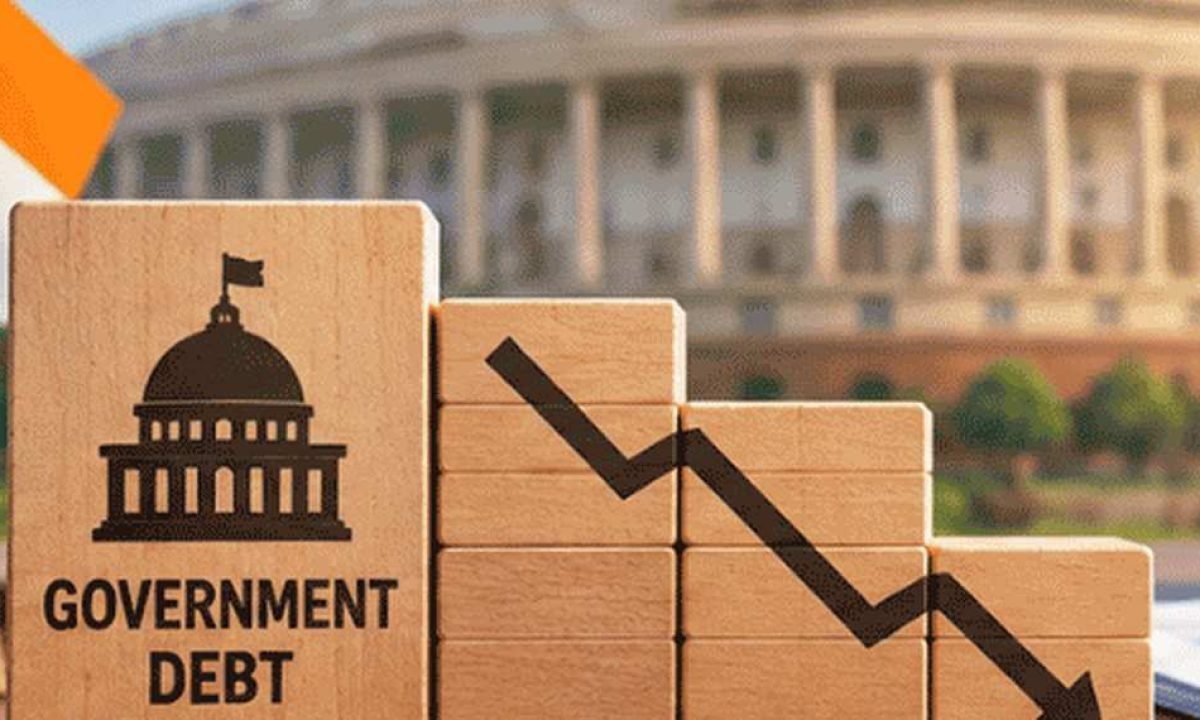
Governments worldwide are facing an increasingly complex fiscal challenge: maintaining essential public services and supporting economic growth while controlling rising public debt. Higher borrowing costs, demographic changes, infrastructure requirements, and economic uncertainty have intensified pressure on national budgets. As a result, policymakers must make difficult decisions about spending priorities, taxation, and debt management without undermining long-term economic stability.
Public spending plays a vital role in economic development. Investments in healthcare, education, transport, energy, and social protection improve living standards and support productivity. However, when government expenditure consistently exceeds revenue, borrowing can increase, creating future obligations through interest payments and debt repayments. Finding the right balance between these competing priorities has become a central concern for governments in both developed and emerging economies.
Rising Public Debt and Fiscal Pressures
Public debt has increased in many countries following major economic disruptions, emergency spending programmes, and efforts to protect households and businesses during periods of uncertainty. Governments have also faced additional expenditure pressures from ageing populations, rising healthcare costs, climate-related investments, and national security requirements.
Higher interest rates can make these challenges more difficult. When governments refinance existing debt or issue new bonds at higher yields, debt-servicing costs may consume a larger share of public revenue. This can leave fewer resources available for infrastructure development, education, healthcare, and other essential services.
Countries with limited tax revenues or substantial foreign-currency debt may face additional vulnerabilities. Currency depreciation can increase the domestic cost of servicing external obligations, while weaker economic growth can reduce government revenues and complicate efforts to stabilise public finances.
Nevertheless, public debt must be assessed in context. Borrowing used to finance productive infrastructure or investments that strengthen future economic capacity can generate long-term benefits. The central concern is whether public borrowing remains affordable and supports sustainable economic and social outcomes.
The Challenge of Protecting Essential Spending
Reducing government expenditure may appear to be a straightforward way to control deficits, but indiscriminate cuts can create significant economic and social costs. Lower investment in education, healthcare, transport, and public infrastructure may weaken productivity and limit opportunities for future growth.
Social protection programmes also play an important role in supporting vulnerable households during economic downturns. Reductions in targeted assistance can weaken purchasing power, particularly among lower-income families, potentially affecting consumer demand and local businesses.
At the same time, governments cannot ignore the need for fiscal discipline. Persistent deficits may increase borrowing requirements and leave public finances more exposed to changes in interest rates or investor confidence.
The challenge is therefore to distinguish between expenditure that generates lasting economic and social benefits and spending that can be reduced, redesigned, or delivered more efficiently. Better public procurement, transparent budgeting, digital administration, and regular assessments of government programmes can help improve value for money without automatically cutting essential services.
Taxation and Revenue Generation
Revenue mobilisation is another important part of the fiscal equation. Governments can strengthen public finances by improving tax compliance, broadening the tax base, reducing unnecessary exemptions, and modernising tax administration.
However, tax increases require careful consideration. Higher taxes on consumption can place pressure on household budgets, while excessive burdens on businesses may discourage investment and employment. Policymakers must therefore consider the distributional effects of tax reforms and their potential influence on economic activity.
Reducing tax evasion and improving the collection of existing liabilities can offer an alternative to repeatedly increasing tax rates. Simplifying tax rules and strengthening transparency may also improve compliance and public trust.
In emerging economies, expanding formal economic activity and improving administrative capacity can help increase revenue over time. Stronger revenue systems can provide governments with greater flexibility to finance development priorities while reducing dependence on borrowing.
Economic Growth as a Path to Debt Sustainability
Economic growth is essential to the long-term management of public debt. A growing economy can generate higher tax revenues, create employment, and improve the government’s ability to meet its financial obligations.
Investment in infrastructure, skills, technology, healthcare, and energy security can support productivity and strengthen future economic capacity. Although such investments may require substantial initial expenditure, their benefits can extend over many years when projects are carefully selected and effectively implemented.
Governments must also consider the timing of fiscal consolidation. Rapid spending reductions during a period of weak economic activity can further suppress demand and reduce revenues. A gradual, credible approach may provide greater scope to protect priority investments while improving the fiscal position over time.
Effective debt management, realistic budget forecasts, and transparent reporting can further reduce uncertainty and support confidence among investors, businesses, and citizens.
The Worldonomics Times View
Governments need fiscal strategies that combine responsible borrowing with efficient public spending and sustainable revenue generation. Debt reduction should not be pursued through indiscriminate cuts that weaken essential services or undermine productive investment. Equally, spending commitments must reflect realistic assessments of available resources and future financial obligations.
Clear fiscal targets, independent oversight, stronger tax administration, and regular evaluations of public programmes can help governments make informed choices. The objective should be to improve the quality of public expenditure while ensuring that debt remains manageable and development priorities receive adequate support.
Conclusion
The pressure to balance public spending and debt reduction reflects a fundamental challenge in modern economic governance. Governments must meet immediate social and economic needs while preserving the financial capacity to respond to future crises.
Achieving this balance requires more than cutting expenditure or raising taxes. It demands disciplined budgeting, effective institutions, productive investment, and policies that support sustained economic growth. Countries that manage public finances transparently and align spending with long-term development objectives will be better positioned to maintain fiscal stability without compromising economic opportunity.
Ultimately, sustainable public finances depend on ensuring that today’s spending decisions strengthen, rather than restrict, tomorrow’s economic prospects.