By The Worldonomics Times | Global Economy
Date: 3 November 2026
Rising Energy Costs, Geopolitical Conflicts and Supply Chain Disruptions Put Global Markets Under Pressure
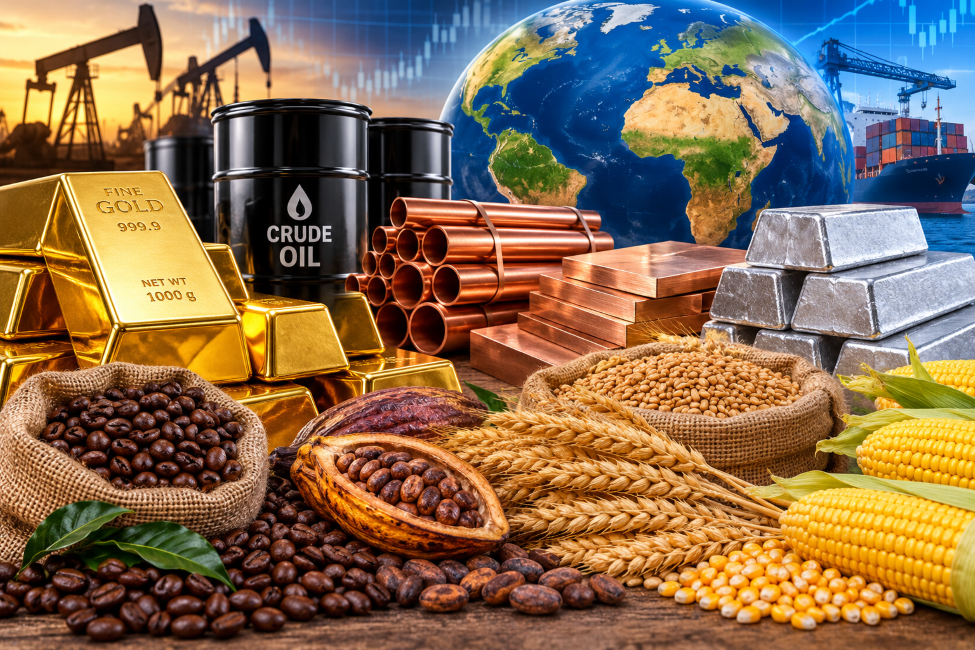
Global commodity prices are projected to increase by 23% in 2026, creating fresh challenges for governments, businesses and consumers across the world. According to the World Bank’s October 2026 Commodity Markets Outlook, rising energy costs, geopolitical conflicts, disrupted shipping routes and weather-related uncertainties are driving prices higher across major commodity categories.
The report highlights that the global economy is experiencing multiple supply-side pressures simultaneously. The ongoing conflict in the Middle East has disrupted energy supplies and reduced oil inventories, while instability around Black Sea shipping routes has affected agricultural trade. At the same time, changing weather patterns, particularly the threat of a strong El Niño, are raising concerns about agricultural production and global food security.
The World Bank expects overall commodity prices to decline by 7% in 2027, provided that geopolitical tensions ease and supply conditions gradually improve. However, the institution warns that further escalation of conflicts could push prices considerably higher than current projections.
Energy Prices Lead the Global Commodity Surge
Energy is expected to be the biggest contributor to the increase in global commodity prices. According to the World Bank, energy prices are forecast to rise by 32% in 2026, reversing three consecutive years of declining prices.
Brent crude oil is projected to average approximately $91 per barrel in 2026, compared with $69 in 2025. The increase reflects supply disruptions, declining oil inventories and uncertainty surrounding international energy transportation.
The global oil supply is expected to contract by 5.2% in 2026, marking its largest decline in more than four decades outside the 2020 global recession. Higher fuel prices are already creating additional financial pressure on transportation, aviation, logistics, manufacturing and other energy-intensive industries.
For countries dependent on imported energy, the consequences could be particularly significant. Higher oil and natural gas prices increase import bills, put pressure on foreign exchange reserves and potentially widen current account deficits.
Food Security Faces Growing Challenges
Food prices are another major concern highlighted in the World Bank report. Global food commodity prices are expected to increase by approximately 10% in 2026 and a further 7% in 2027, representing a cumulative increase of around 18%.
Several factors are contributing to this upward trend. Disruptions to grain shipments through the Black Sea, higher fuel and fertilizer costs, and the possibility of adverse weather conditions are affecting agricultural production and international food supplies.
The potential impact of El Niño is particularly concerning because changing rainfall patterns and extreme temperatures can reduce crop yields in major agricultural regions. Wheat, rice, edible oils and other essential food commodities could experience additional price pressure if production and transportation conditions deteriorate.
Rising agricultural input costs also affect farmers, who may face higher expenses for fertilizers, fuel, irrigation and transportation. These costs can eventually be reflected in retail food prices, placing additional pressure on household budgets, particularly in developing economies.
Fertilizer and Metals Markets Experience Price Pressure
The fertilizer market is also facing considerable uncertainty. The World Bank forecasts fertilizer prices to increase by approximately 14% in 2026, primarily because of higher energy costs and disruptions to international supply routes.
Since fertilizers are essential for agricultural productivity, rising prices could influence farming decisions, production costs and food availability. Small-scale farmers in developing countries may face particular difficulties in maintaining production levels when agricultural inputs become more expensive.
Meanwhile, industrial metals are experiencing strong demand and supply constraints. Prices of metals and minerals are projected to rise by approximately 25% in 2026, reaching record levels.
Aluminium, copper and tin are among the commodities experiencing significant price increases. Demand from renewable energy projects, electric vehicles, semiconductor manufacturing and data centre infrastructure is contributing to the upward trend.
Precious metals are also attracting considerable attention from international investors. The World Bank expects precious metal prices to increase by approximately 40% in 2026 as geopolitical uncertainty and financial market concerns encourage demand for safe-haven assets such as gold.
Impact on Emerging Economies and India
The increase in commodity prices could have significant consequences for emerging economies, particularly those that depend heavily on imported oil, gas, industrial metals and fertilizers.
India is among the economies where international commodity price movements can influence domestic inflation, industrial production and trade balances. Higher crude oil prices can increase transportation and manufacturing expenses, while expensive fertilizers and agricultural inputs may raise costs across the farming sector.
For Indian businesses, rising commodity prices could create pressure on profit margins, especially in industries such as automobiles, construction, chemicals, aviation, logistics and consumer goods.
However, the changing commodity landscape may also create opportunities. Countries with strong manufacturing capabilities, diversified energy sources and access to domestic mineral resources could strengthen their positions in international markets.
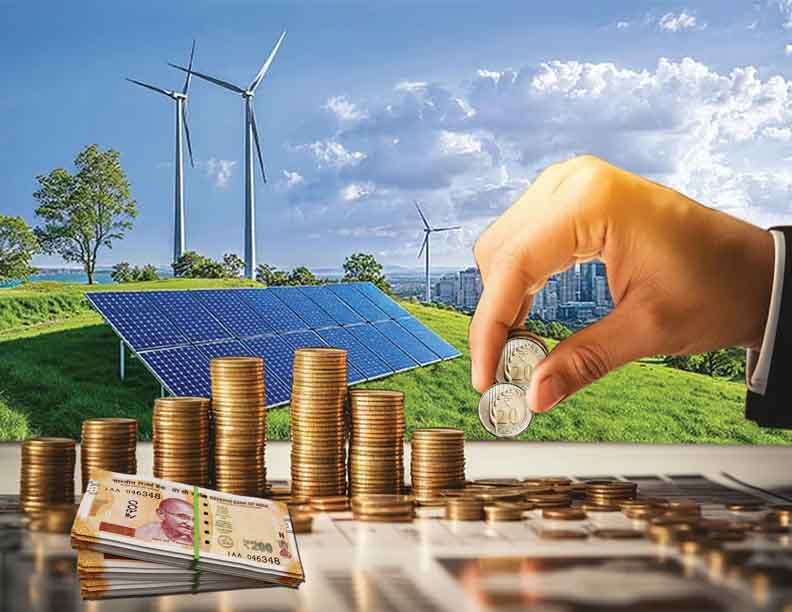
India’s continued investment in renewable energy, infrastructure development, domestic manufacturing and supply chain diversification could help reduce some of its exposure to external price shocks over the longer term.
Global Markets Prepare for Continued Uncertainty
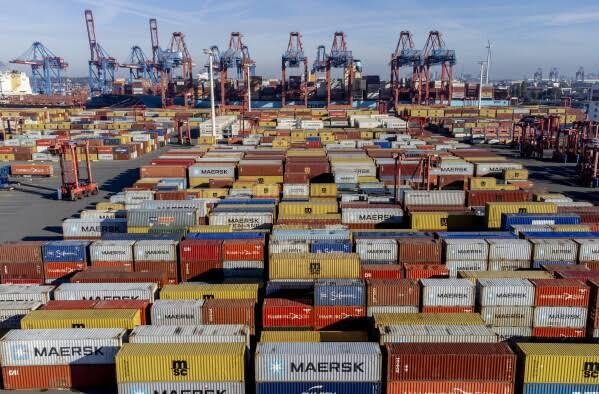
The World Bank has warned that the current commodity market situation leaves the global economy more vulnerable to additional supply disruptions. Depleted oil inventories, uncertain shipping conditions and geopolitical tensions could make international markets particularly sensitive to unexpected developments.
In an adverse scenario involving further escalation in the Middle East, prolonged disruption to Russian oil infrastructure and severe agricultural losses, Brent crude prices could average $105 per barrel in 2027. Food commodity prices could also rise 12% above the baseline forecast.
Such developments could intensify inflation, weaken purchasing power and increase food insecurity in vulnerable economies.
To help countries manage the economic consequences, the World Bank Group has made $50 billion to $60 billion available through existing financing instruments, including support for social protection programmes, government finances and businesses.
The Worldonomics Times Views
The projected 23% increase in global commodity prices is more than a market development; it is a reminder of how closely connected the global economy has become. Energy, agriculture, manufacturing and international trade depend on supply chains that extend across multiple countries. A disruption in one region can quickly create financial pressure in economies thousands of kilometres away.
In our view, governments must treat commodity price stability and supply chain resilience as important economic priorities. Heavy dependence on imported energy and essential raw materials can expose countries to sudden external shocks. Diversifying energy sources, strengthening domestic production, investing in renewable energy and improving agricultural infrastructure should therefore remain central to long-term economic planning.
We also believe that protecting consumers and small businesses must be a priority. Targeted assistance for vulnerable households, better access to agricultural inputs and improved logistics infrastructure can help reduce the impact of rising commodity costs.
For India and other emerging economies, this period presents both risks and opportunities. Investment in domestic manufacturing, clean energy, food storage, mineral processing and technological innovation could help build greater economic independence while supporting international competitiveness.
The Worldonomics Times believes that economic resilience begins with the ability to manage essential resources, protect purchasing power and prepare for unexpected global disruptions.
Conclusion
The World Bank’s forecast of a 23% increase in global commodity prices during 2026 highlights the economic consequences of geopolitical instability, energy supply disruptions and changing weather conditions. Although prices are expected to moderate in 2027, the outlook remains uncertain.
For governments, businesses and investors, the priority must be to prepare for volatility while maintaining sustainable economic growth. The ability to diversify supply chains, manage production costs and protect consumers will play a significant role in determining how economies respond to the current commodity price surge.
As global markets navigate another period of uncertainty, the challenge is not simply to manage rising prices, but to build an economic system that is more resilient, diversified and prepared for the future.