By The Worldonomics Times
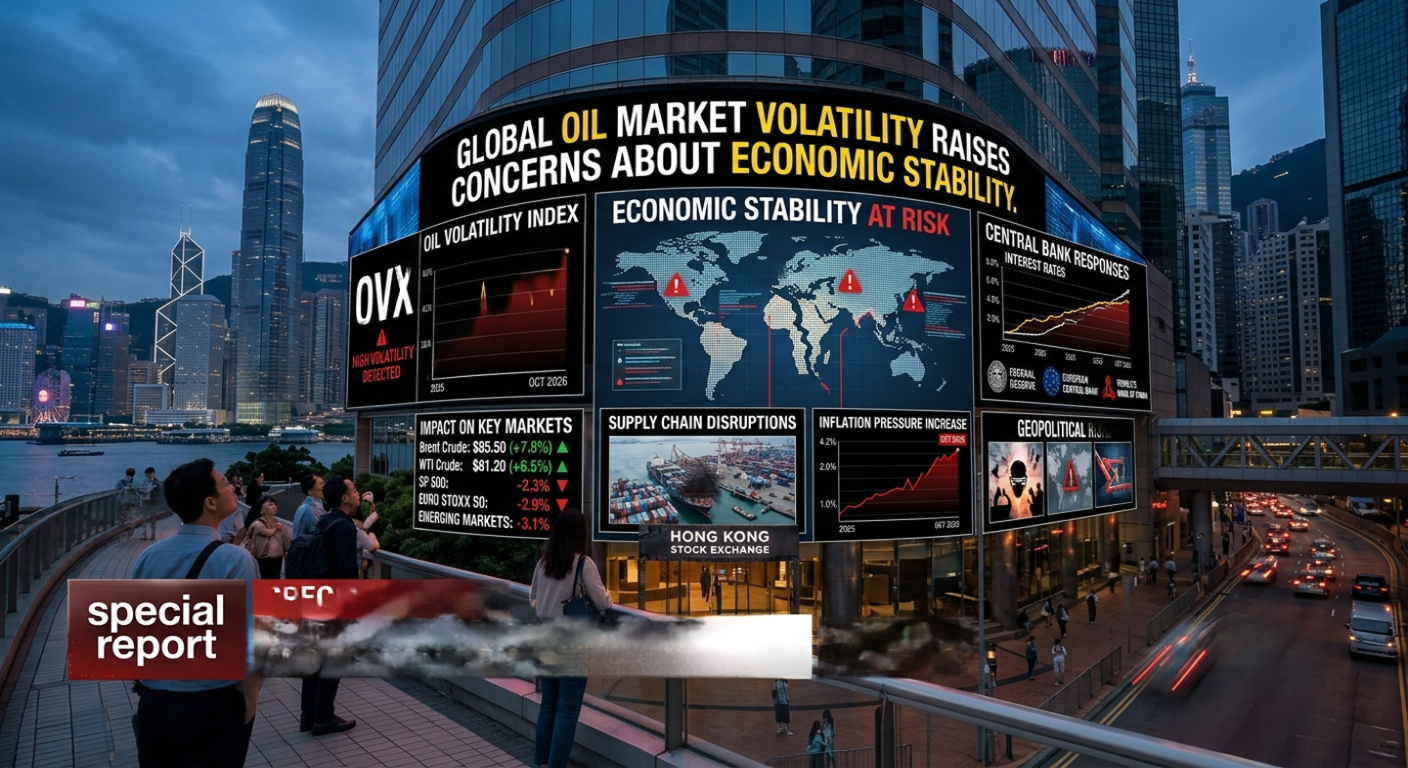
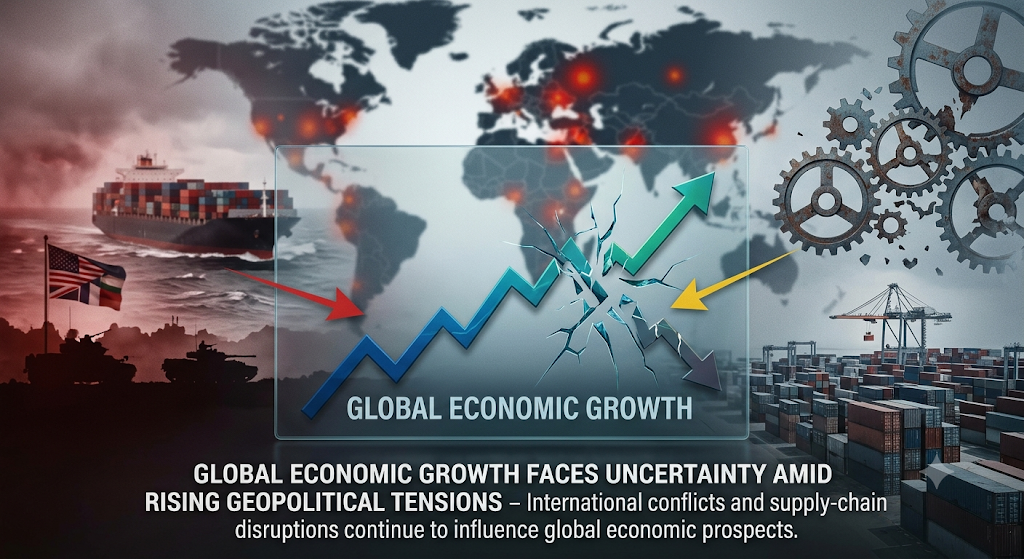
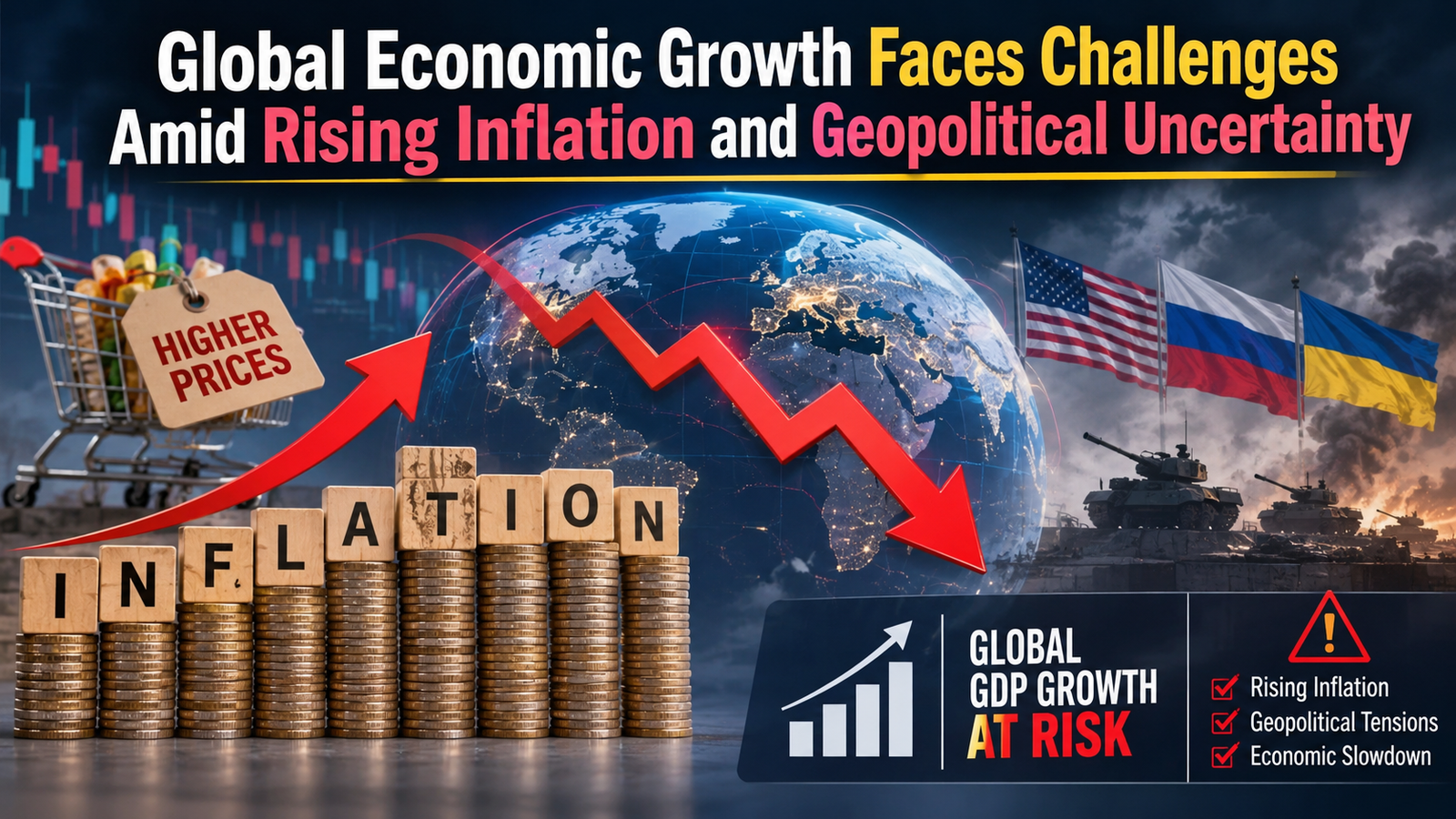
The global economy is navigating an increasingly complex period as rising inflation, geopolitical tensions, supply chain disruptions, and financial market uncertainties continue to challenge economic growth. While several economies are demonstrating resilience through technological advancements, infrastructure investments, and evolving trade partnerships, the broader economic outlook remains uncertain. Governments, businesses, investors, and consumers are facing difficult decisions as they attempt to balance economic stability with long-term development.
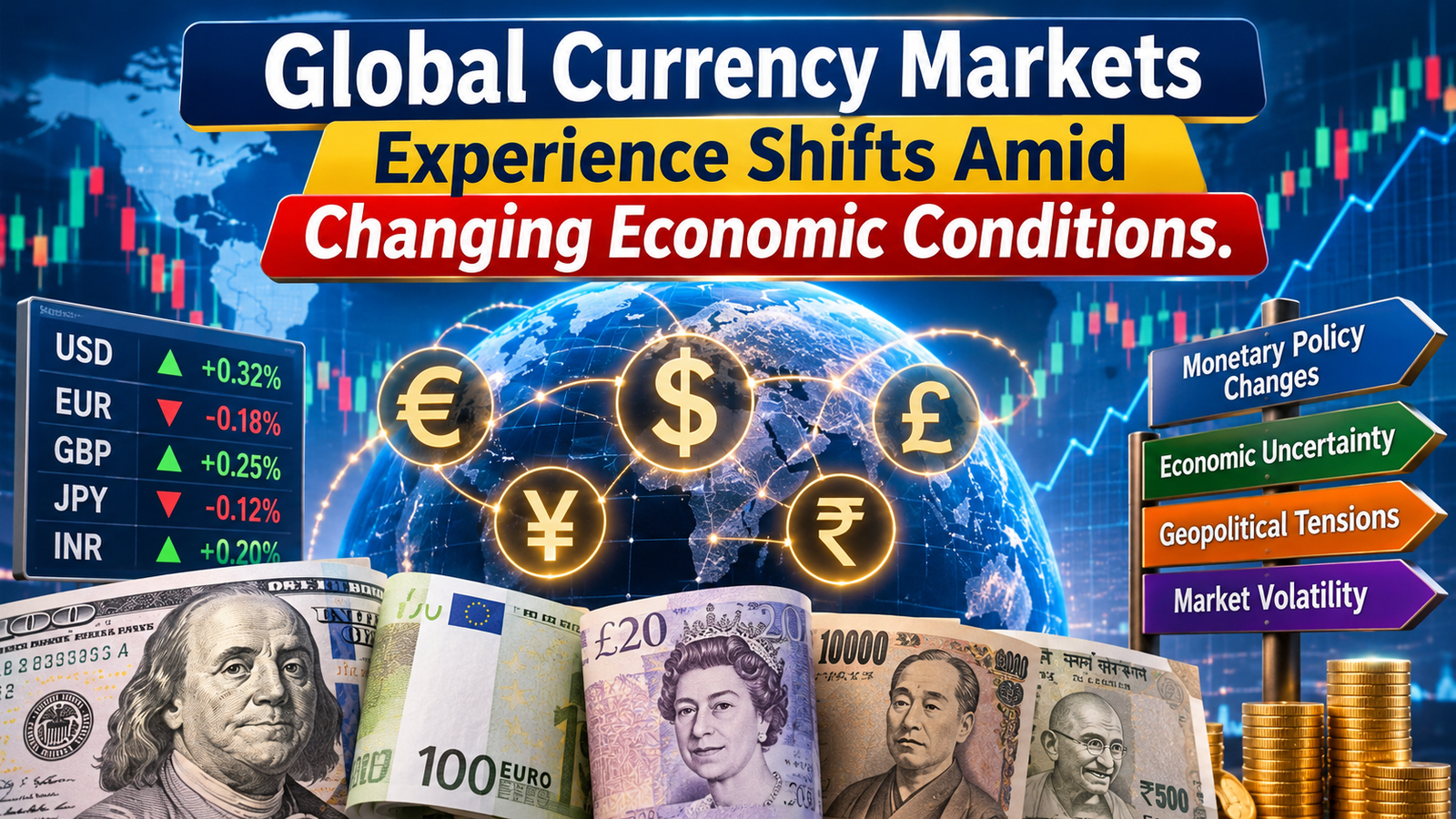
The interconnected nature of today’s global economy means that developments in one region can have far-reaching consequences. From conflicts and trade restrictions to fluctuations in energy prices and monetary policy decisions, multiple factors are influencing the direction of global economic growth.
Rising Inflation Continues to Pressure Global Economies
Inflation remains one of the most significant challenges confronting economies worldwide. Increasing prices of essential commodities, energy, food, transportation, and industrial raw materials have placed considerable pressure on households and businesses.
For consumers, persistent inflation reduces purchasing power and affects overall living standards. Rising costs of everyday necessities force families to reconsider spending priorities, often reducing discretionary consumption. This, in turn, can weaken demand across several industries.
Businesses are experiencing similar difficulties. Higher production costs, increased wages, expensive borrowing, and unpredictable raw material prices are affecting profit margins. Small and medium-sized enterprises are particularly vulnerable because they often have limited financial resources to absorb sudden cost increases.
Central banks face the difficult task of controlling inflation without unnecessarily slowing economic activity. Higher interest rates can help reduce inflationary pressure, but they also increase borrowing costs, discourage investment, and potentially restrict job creation.
Geopolitical Uncertainty Disrupts Global Trade
Geopolitical tensions have emerged as another major obstacle to global economic stability. Regional conflicts, trade disputes, economic sanctions, and shifting international alliances are creating uncertainty across global markets.
International trade depends heavily on stable diplomatic relationships and predictable commercial policies. However, growing geopolitical divisions are encouraging countries to reconsider their supply chain dependencies and strengthen domestic manufacturing capabilities.
Disruptions in major shipping routes, energy markets, and international trade networks can increase transportation costs and delay deliveries. Industries dependent on imported components, including automobiles, electronics, pharmaceuticals, and manufacturing, are particularly exposed to these developments.
Furthermore, trade protectionism and restrictions on strategic technologies may limit international cooperation and reduce the efficiency of global production networks.
Although diversifying supply chains can improve economic resilience, the transition requires substantial investment, time, and coordination.
Slowing Growth and Uneven Economic Recovery
Global economic growth is increasingly characterised by uneven performance across regions. Advanced economies are dealing with high borrowing costs, demographic pressures, and moderate consumer demand, while several developing economies continue to face challenges involving currency volatility, external debt, and infrastructure gaps.
Emerging markets possess considerable growth potential due to expanding populations, urbanisation, digital transformation, and increasing industrial activity. However, their economic progress can be affected by capital outflows, international financial instability, and fluctuations in global commodity prices.
Developing countries must also balance immediate economic priorities with long-term investments in education, healthcare, renewable energy, and infrastructure.
A sustainable recovery requires more than short-term improvements in economic indicators. It demands stronger productivity, employment opportunities, financial stability, and inclusive development.
Technology and Innovation: Opportunities Amid Uncertainty
Despite these challenges, technological innovation offers significant opportunities to strengthen global economic growth. Artificial intelligence, automation, digital infrastructure, advanced manufacturing, and financial technology are transforming industries and improving productivity.
Businesses adopting digital solutions can reduce operational expenses, improve efficiency, and access international markets more effectively. Artificial intelligence, in particular, has the potential to accelerate research, optimise supply chains, and improve decision-making across sectors.
However, technological transformation also presents challenges, including workforce displacement, cybersecurity risks, unequal access to digital resources, and the need for reskilling.
Governments and educational institutions must therefore prioritise digital literacy, vocational training, and workforce development to ensure that technological progress benefits a wider section of society.
The Importance of Sustainable Economic Policies
Economic stability cannot be achieved through short-term measures alone. Governments must introduce balanced policies that encourage investment, support employment, strengthen domestic industries, and maintain responsible public finances.
Investment in renewable energy, transportation infrastructure, agriculture, healthcare, and education can create new employment opportunities while strengthening long-term economic capacity.
International cooperation is equally important. Countries must work together to improve trade relationships, maintain financial stability, address climate-related risks, and develop effective mechanisms for managing geopolitical disagreements.
At the same time, central banks must carefully assess inflationary trends and economic conditions before adjusting monetary policies. A balanced approach can help protect purchasing power while supporting sustainable economic activity.
India’s Position in the Changing Global Economy
India represents an important growth opportunity in the evolving global economic landscape. Its expanding consumer market, digital infrastructure, manufacturing ambitions, and infrastructure development initiatives provide a strong foundation for future economic progress.
The country’s focus on domestic manufacturing, renewable energy, digital services, and infrastructure investment can strengthen its position in international trade.
However, India must also manage challenges involving imported energy costs, inflation, employment generation, global market volatility, and the need for greater industrial competitiveness.
Strengthening small businesses, encouraging innovation, improving workforce skills, and attracting long-term investment will remain essential to sustaining economic momentum.
The Worldonomics Times View
The global economy is not simply facing a temporary slowdown; it is undergoing a period of significant structural transformation. Rising inflation, geopolitical uncertainty, and changing international trade relationships are testing the resilience of governments, financial institutions, and businesses.
In our view, the path towards sustainable economic growth lies in adaptability, cooperation, and responsible policymaking. Nations must move beyond short-term economic responses and focus on building stronger institutions, diversified supply chains, competitive industries, and inclusive opportunities.
Businesses must embrace innovation, improve operational efficiency, and prepare for an environment where uncertainty may become a continuing feature of international commerce. Similarly, governments must create policies that encourage entrepreneurship, protect vulnerable communities, and maintain confidence in financial systems.
The coming years will demand strategic thinking rather than reactive decision-making. Economic success will depend not only on the ability of nations to withstand global disruptions but also on their capacity to transform challenges into opportunities.
Ultimately, sustainable global growth requires a shared commitment to stability, innovation, and international collaboration. While the road ahead may remain challenging, economies that prioritise resilience, productivity, and inclusive development will be better positioned to navigate uncertainty and build a stronger foundation for future prosperity.