By The Worldonomics Times
Global currency markets are experiencing significant shifts as changing economic conditions, monetary policy decisions and geopolitical developments reshape international financial flows. Exchange rates are influenced by several interconnected factors, including inflation, interest rates, economic growth, trade balances and investor confidence. As central banks reassess their policy priorities and global risks evolve, currencies are responding to changing expectations across major economies.
The US dollar, euro, Japanese yen and currencies of emerging economies have all faced different pressures. These movements are important because exchange rates influence international trade, investment decisions, import costs and the financial stability of businesses operating across borders.
US Dollar Strength Reflects Changing Interest-Rate Expectations
The US dollar remains the most influential currency in international financial markets. Its movements affect global commodity prices, international borrowing costs and capital flows between advanced and emerging economies.
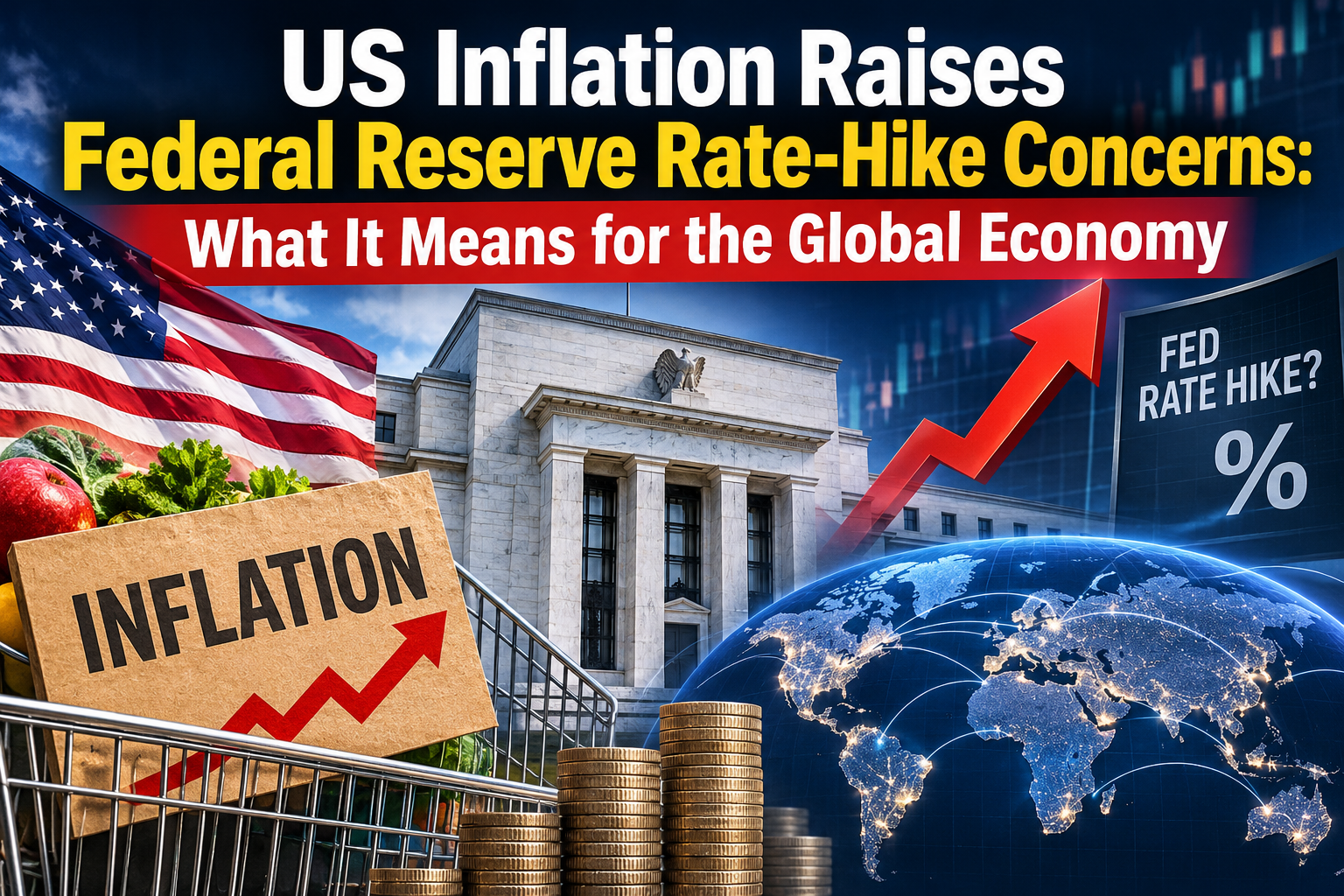
In November 2026, the dollar strengthened as investors reassessed the outlook for US monetary policy. Expectations of further Federal Reserve rate increases, supported by inflation concerns and rising Treasury yields, helped push the currency towards a 19-month high.
On November 13, the euro traded near $1.1049, while the Japanese yen approached the psychologically important level of 160 against the dollar. These movements reflected growing demand for dollar-denominated assets and concerns about the monetary-policy outlook in other economies. <Cite refs={[“turn961080search0”]}/>
A stronger dollar can benefit US consumers and businesses purchasing imported goods, but it can create difficulties for countries that rely heavily on dollar-denominated borrowing. It may also increase the domestic cost of essential imports, particularly energy and industrial commodities, in economies whose currencies weaken against the dollar.
Euro and Japanese Yen Face Different Pressures
The euro’s performance is closely connected to the European economy, inflation trends and the European Central Bank’s monetary policy. Concerns about economic growth, energy costs and political uncertainty can influence investor demand for the common currency.
The European Central Bank’s June 2026 review reported that the euro’s international role increased moderately during 2025. It remains the world’s second most important international currency, although its global influence continues to be considerably smaller than that of the US dollar. <Cite refs={[“turn548627news2”]}/>
The Japanese yen has faced a different set of challenges. Differences in interest rates between Japan and the United States have influenced investment strategies and currency trading. A weaker yen can support Japanese exporters by making their products more competitive overseas, but it also raises the cost of imported energy and raw materials.
Currency intervention has become an important part of the discussion. According to Reuters, the US Treasury purchased 79.4 billion yen in July 2026 as part of coordinated efforts with Japan to counter excessive weakness in the Japanese currency. Japan’s Ministry of Finance also intervened during the July-to-September quarter. <Cite refs={[“turn961080news6”]}/>
These developments demonstrate that exchange rates are not determined by market forces alone. Central banks and governments may intervene when currency movements threaten economic stability or create disorderly market conditions.
Emerging Markets Experience Currency Volatility
Emerging economies are particularly sensitive to changes in global currency markets. Many depend on international capital flows to finance infrastructure, industrial development and government expenditure. When interest rates rise in advanced economies, investors may shift funds towards assets offering higher perceived safety or returns.
The International Monetary Fund’s October 2026 Regional Economic Outlook for Asia and the Pacific highlighted increased exchange-rate and capital-flow volatility following the year’s energy shock. Several emerging Asian economies, including India, Indonesia, Thailand and the Philippines, experienced currency depreciation pressures. The report also noted that energy prices and uncertainty surrounding US monetary policy contributed to market instability. <Cite refs={[“turn548627search17”]}/>
Currency depreciation can make exports more competitive, but it also increases the cost of imported fuel, machinery, technology and other essential inputs. Countries with substantial foreign-currency debt may face additional financial pressure because repayments become more expensive in domestic-currency terms.
Impact on International Trade and Business
Exchange-rate fluctuations have direct consequences for international businesses. Exporters may benefit when their domestic currency weakens, as their products become relatively less expensive for overseas buyers. Importers, however, may experience higher procurement costs and reduced profit margins.
Multinational companies must also manage currency risks when transferring profits, paying overseas suppliers and reporting financial results across different currencies. Sudden exchange-rate movements can affect investment planning, pricing strategies and contractual commitments.
For commodity-importing countries, currency weakness can intensify inflation by raising the domestic cost of crude oil, natural gas and other internationally traded goods. This can complicate monetary policy decisions and reduce household purchasing power.
Businesses increasingly use financial instruments such as forward contracts, options and currency swaps to manage foreign-exchange exposure. However, smaller companies may have limited access to these facilities, making them more vulnerable to sudden market movements.
Implications for India
Currency-market developments are particularly important for India because the country imports substantial quantities of crude oil, natural gas, electronics, machinery and industrial components. A weaker rupee against the US dollar can increase import costs and place pressure on inflation, corporate margins and the country’s external trade balance.
The Indian rupee experienced considerable movement during November 2026. It strengthened to around ₹93.69 per US dollar on November 11, supported by foreign investment inflows, but subsequently weakened to approximately ₹94.24 on November 13 as rising oil prices and expectations of tighter US monetary policy increased pressure. <Cite refs={[“turn961080search3″,”turn961080news22”]}/>
The Reserve Bank of India plays an important role in maintaining orderly conditions in the foreign-exchange market. Its policy decisions, management of foreign-exchange reserves and liquidity measures can help limit excessive volatility.
For Indian businesses, managing currency exposure is increasingly important. Exporters, importers and companies with overseas borrowing should adopt appropriate risk-management strategies. Strengthening domestic manufacturing, improving export competitiveness and diversifying trade relationships can also reduce vulnerability to external financial shocks.
The Worldonomics Times View
Global currency markets reflect the changing balance of economic strength, monetary policy and investor confidence. The recent movements in the dollar, euro, yen and emerging-market currencies demonstrate how developments in one major economy can influence financial conditions across the world.
While currency fluctuations create opportunities for exporters and international investors, excessive volatility can complicate trade, increase business costs and place pressure on developing economies. Governments and central banks must therefore maintain credible economic policies, adequate foreign-exchange reserves and effective financial-market supervision.
The Worldonomics Times believes that currency stability will remain an important factor in supporting sustainable global growth. Businesses must become more prepared to manage exchange-rate risks, while policymakers should focus on economic fundamentals rather than relying solely on short-term market intervention. In an increasingly interconnected global economy, predictable currency conditions can strengthen trade, encourage investment and support long-term financial stability.