From Regulatory Challenges to a New Opportunity: What Paytm’s Latest RBI Approval Means for India’s Fintech Industry
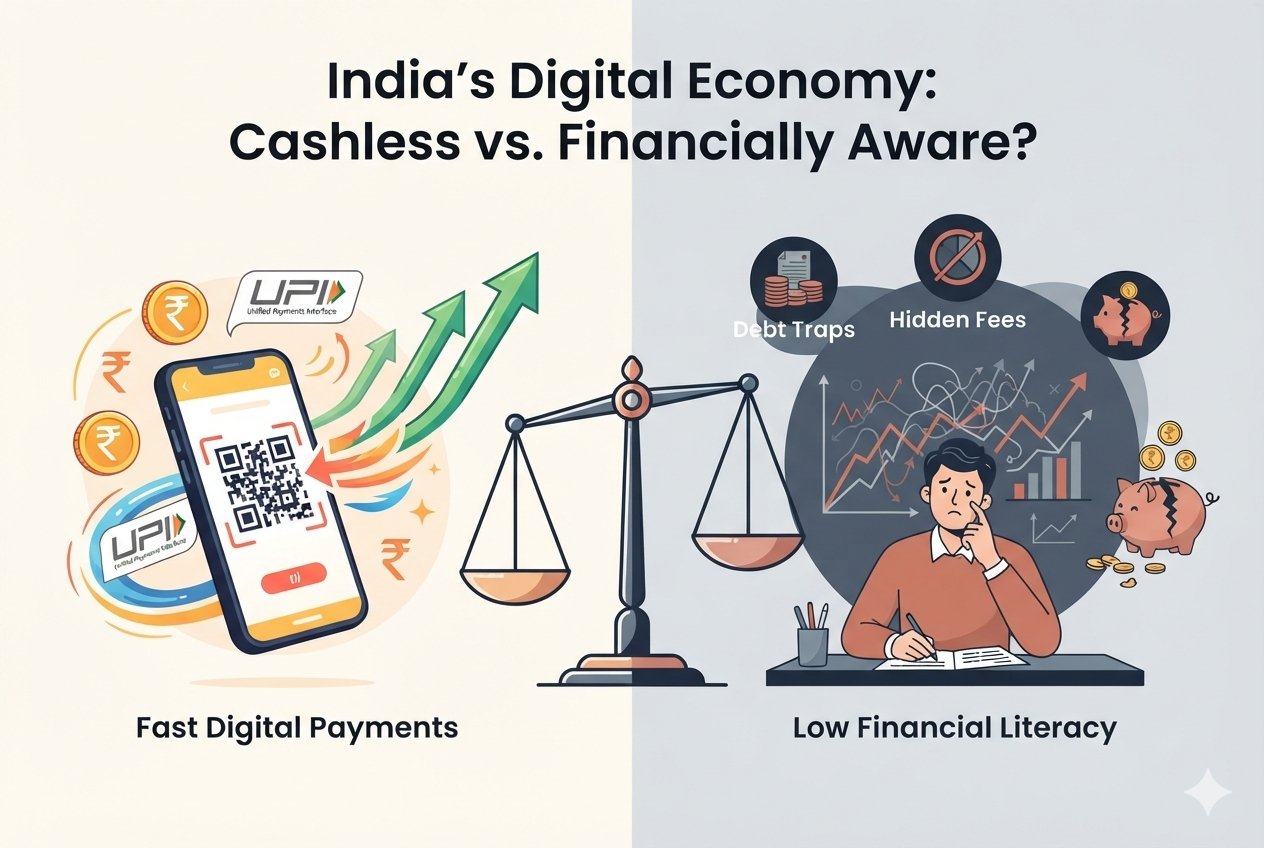
India’s digital payments ecosystem has witnessed remarkable growth over the past decade. However, the journey of fintech companies is not defined by innovation and customer acquisition alone. Regulatory compliance, transparency and corporate governance are equally important.
A recent development involving Paytm has brought this reality back into focus.
On 13 November 2026, Paytm Payments Services Limited (PPSL), a wholly owned subsidiary of One 97 Communications, received in-principle approval from the Reserve Bank of India (RBI) to issue Prepaid Payment Instruments (PPIs), including digital wallets.
This development marks an important step towards reviving Paytm’s wallet business after years of regulatory challenges.
But does preliminary regulatory approval mean Paytm is completely back in the game?
Let’s understand the bigger picture.
1. Understanding Paytm’s Regulatory Challenges
Paytm’s regulatory journey has been closely watched by India’s financial and technology sectors.
In January and February 2024, the RBI imposed significant restrictions on Paytm Payments Bank, including restrictions on accepting fresh deposits and wallet top-ups.
The situation escalated further when, on 24 April 2026, the RBI cancelled the banking licence of Paytm Payments Bank.
These developments highlighted the importance of regulatory discipline in India’s rapidly expanding digital financial ecosystem.
It is important to understand that Paytm Payments Bank and Paytm Payments Services Limited are separate entities. The latest approval applies to the latter, not to the cancelled banking licence.
2. What Has Changed in November 2026?
The latest development offers Paytm a fresh opportunity.
PPSL has received in-principle authorisation from the RBI to establish and operate a payment system for issuing prepaid payment instruments, including digital wallets.
However, there is an important distinction:
In-principle approval is not the same as final authorisation.
PPSL must fulfil the applicable regulatory requirements and obtain final authorisation before commencing wallet operations.
Therefore, customers should not assume that they can immediately resume loading money into Paytm Wallet.
3. Why Is This Development Important?
The development goes beyond the revival of a single fintech product.
A. Rebuilding Customer Confidence
Regulatory approval can strengthen market confidence, but sustained customer trust will depend on reliable services, transparency and responsible business practices.
B. Strengthening the Digital Payments Ecosystem
The potential return of Paytm’s wallet services could provide customers with another digital payment option and strengthen competition in India’s fintech sector.
C. Improving Business Opportunities
A broader payments portfolio could create opportunities for Paytm to deepen customer engagement, expand merchant relationships and explore additional revenue streams.
D. Restoring Investor Sentiment
Following the announcement, Paytm’s parent company witnessed a sharp positive market reaction, with its shares touching an intraday high of ₹1,960 on 13 November 2026.
However, market reactions to regulatory developments should not be confused with long-term business performance.
4. The Role of RBI: Innovation Must Come With Accountability
The RBI plays a crucial role in maintaining the stability, security and reliability of India’s payment systems.
Digital payment companies handle sensitive financial information and facilitate millions of transactions. Consequently, regulatory compliance is not merely a legal formality; it is fundamental to protecting consumers and maintaining confidence in the financial system.
The Paytm case highlights several important lessons:
- Regulatory compliance must be a continuous business priority.
- Strong internal controls are essential for sustainable growth.
- Cybersecurity and customer data protection require constant attention.
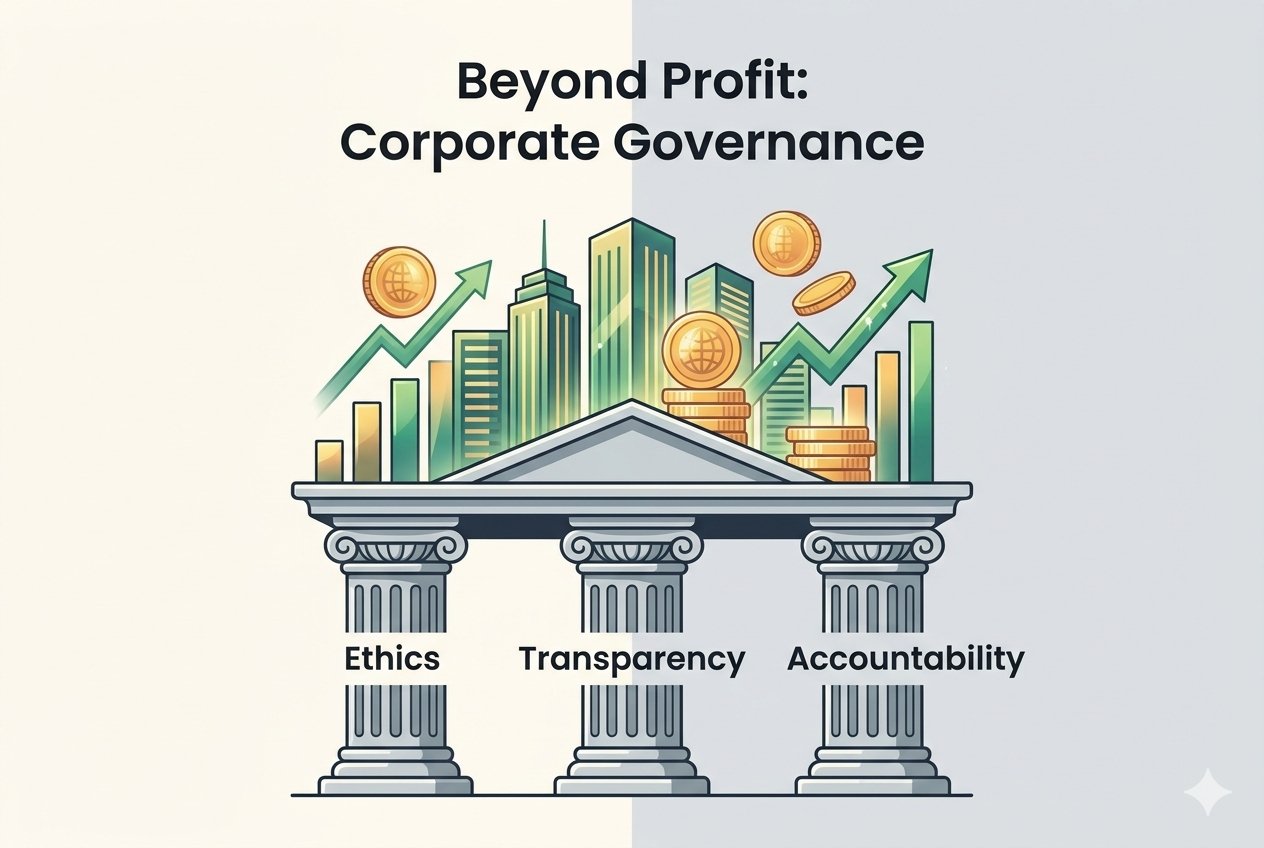
- Corporate governance must evolve alongside technological innovation.
- Consumer confidence depends on transparency and accountability.
5. What Lies Ahead for Paytm?
Although the latest approval is encouraging, the road ahead requires careful execution.
Paytm will need to complete the remaining regulatory requirements, obtain final authorisation and demonstrate that its payments operations can function within the prescribed regulatory framework.
Its long-term success will depend on its ability to balance innovation, profitability, customer experience and regulatory discipline.
For the wider fintech industry, this development also sends an important message: technological leadership alone cannot guarantee sustainable business success.
Conclusion: Trust Is the Real Currency of Fintech
Paytm’s latest regulatory development represents an important opportunity to rebuild its position in India’s digital payments ecosystem.
However, the real comeback will not be determined by a stock market rally or a regulatory announcement. It will be determined by consistent compliance, operational excellence and the ability to regain customer confidence.
Innovation may bring customers to a platform, but trust is what keeps them there.
As India’s fintech industry continues to evolve, one lesson stands out:
The future belongs not just to companies that innovate faster, but to companies that grow responsibly.