India’s economy is estimated to have expanded by 7.7% in the second quarter of FY2026-27, according to an Economic Times poll of 10 economists. Resilient consumption, stronger manufacturing activity and rising exports are supporting the growth outlook, although inflation and higher input costs remain important challenges.
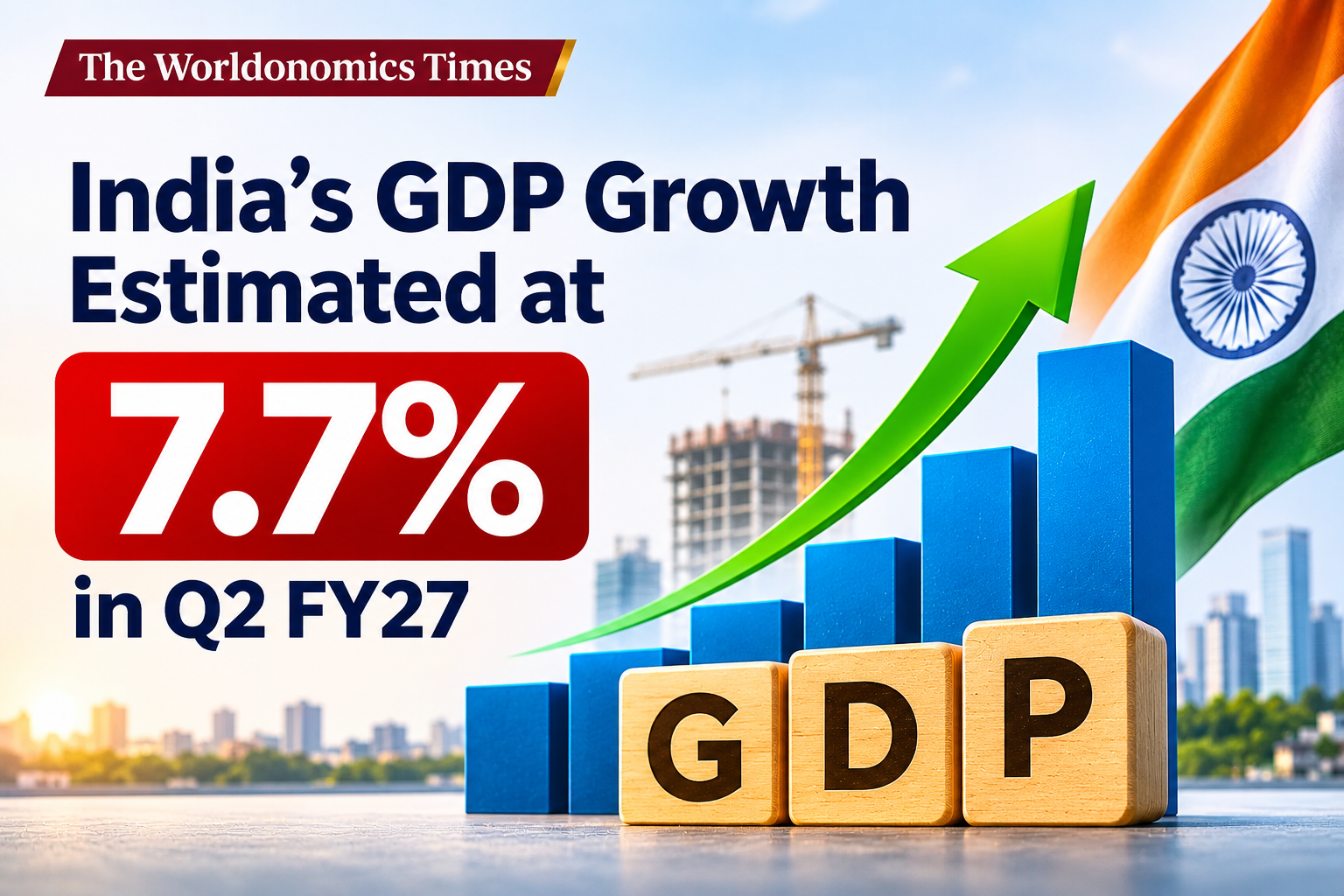
India’s economic growth outlook remains positive, with economists estimating that the country’s Gross Domestic Product (GDP) expanded by 7.7% during July–September 2026. The estimate reflects continued momentum in domestic demand, industrial production and external trade.
According to the Economic Times poll published on 16 November 2026, India’s Q2 FY27 growth is expected to remain strong, following 7.8% growth in the first quarter.
The estimate is based on economists’ assessments and should not be confused with the official GDP release, which is awaited.
GDP Growth Supported by Domestic Demand
Private consumption remains an important driver of India’s economic expansion. Household spending on goods and services, consumer durables, transportation, housing and other activities supports demand across multiple industries.
Government infrastructure spending and improving investment activity have also contributed to economic momentum.
The services sector continues to play a major role, while manufacturing and construction are supporting employment, industrial demand and capital formation.
According to the Economic Times poll, economists expect India’s GDP growth to reach 7.3% for the full financial year FY2026-27. Economic Times+1
Manufacturing Activity Strengthens
Industrial activity has provided additional support to the economic outlook.
Industrial production growth accelerated to 7.3% from 6.2% in the previous quarter, according to the Economic Times report.
Manufacturing expansion is important for India’s long-term economic development because it supports employment, domestic supply chains, infrastructure demand and export competitiveness.
The performance of sectors such as automobiles, engineering, electronics, pharmaceuticals, metals and capital goods will remain important for the country’s industrial growth.
Investment Activity and Capital Formation
Investment is another important component of India’s growth story.
Businesses investing in factories, machinery, technology and infrastructure create demand for capital goods, construction materials, logistics and professional services.
The investment outlook is also supported by infrastructure development and improving private-sector capital expenditure.
A recent Deloitte India economic outlook highlighted that gross fixed capital formation grew by 11.9% in Q1 FY27, its strongest expansion in four years. The report also identified early signs of improving private investment activity. Deloitte
Exports Provide Additional Support
India’s external trade performance has also contributed to the economic outlook.
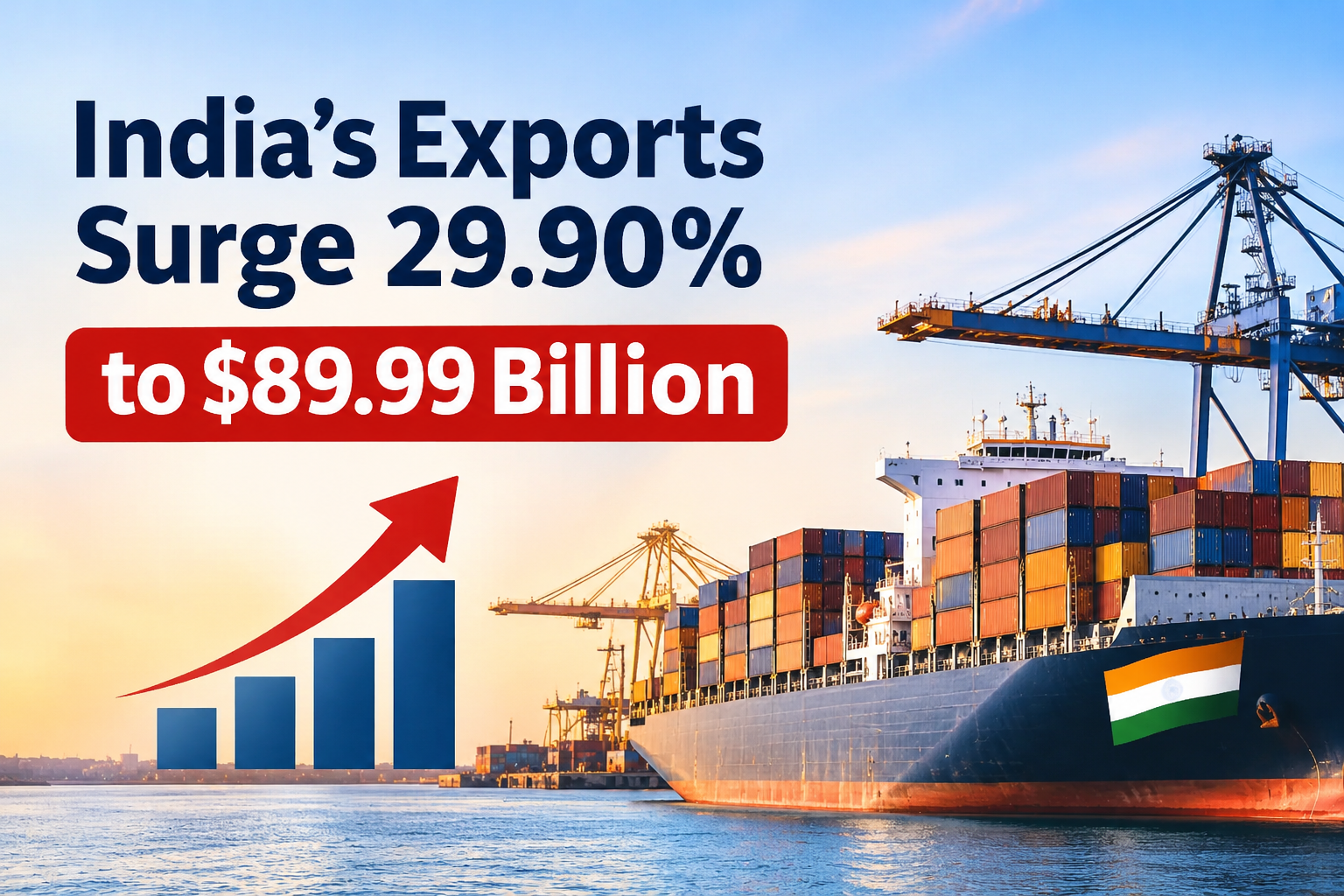
Merchandise exports reached a record US$49.47 billion in October 2026, while total merchandise and services exports were estimated at US$89.99 billion.
Engineering goods, electronic products, petroleum products and gems and jewellery supported export expansion.
However, the widening merchandise trade deficit remains a concern because imports have grown faster than exports.
What Could Affect India’s Growth?
Despite the positive growth estimate, several risks could influence India’s economic performance.
- Inflation: Higher food and fuel prices could reduce household purchasing power.
- Interest rates: Tighter monetary policy could increase borrowing costs for businesses and consumers.
- Global uncertainty: Geopolitical developments and international trade conditions could affect exports and investment.
- Energy prices: Higher crude oil prices could increase India’s import bill and industrial operating costs.
- Rural demand: Agricultural output, monsoon conditions and rural incomes will influence consumption.
The recent rise in retail and wholesale inflation makes the balance between economic growth and price stability particularly important.
India’s FY27 Growth Outlook
The Economic Times poll estimates India’s GDP growth at 7.3% for FY2026-27.
Other institutions have also maintained relatively strong growth projections. Moody’s Ratings recently revised its FY27 growth forecast to 7%, from 6.5%, citing consumption and improving investment dynamics. The RBI’s FY27 growth projection is 7.1%. ETRetail.com+1
These are forecasts from different institutions and should not be treated as confirmed economic outcomes.
Conclusion
India’s estimated 7.7% GDP growth in Q2 FY27 reflects continued economic momentum, supported by consumption, manufacturing, exports and investment activity.
However, sustaining this growth will require effective inflation management, stronger private investment, employment generation and improved industrial competitiveness.
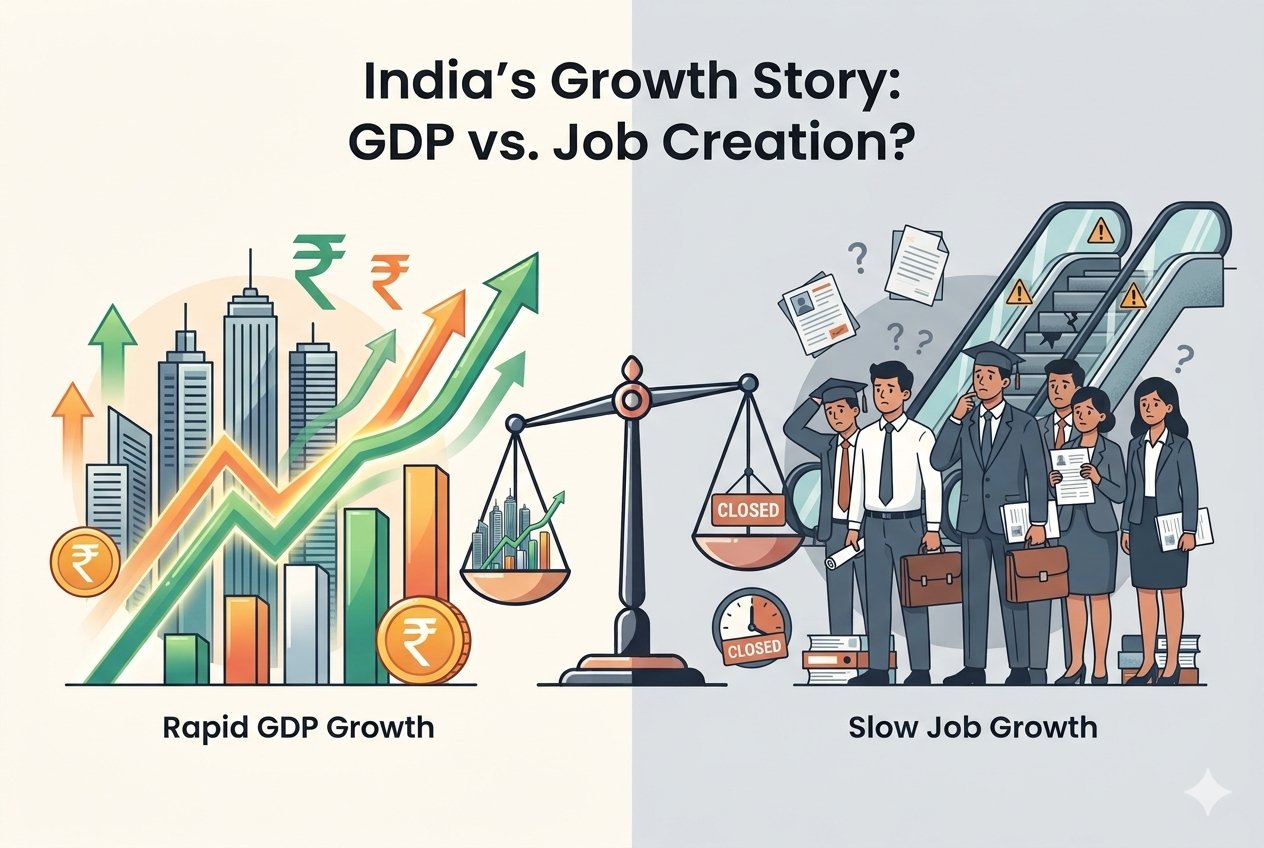
For India, the larger opportunity lies in converting economic growth into productive investment, quality employment, higher household incomes and sustainable business expansion.
Source: Economic Times, Deloitte India, Moody’s Ratings and Reserve Bank of India.
The Worldonomics Times | Indian Economy & Economic Policy