By The Worldonomics Times
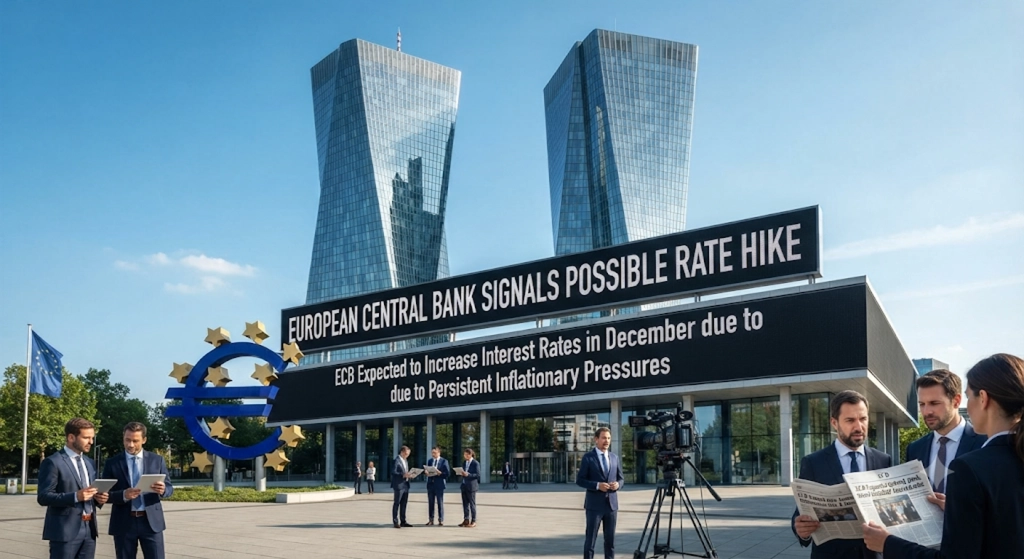
The European Central Bank (ECB) is facing growing pressure to increase interest rates in December as inflation across the eurozone continues to rise above its official target. Higher energy and food prices, combined with concerns about persistent inflation, have strengthened expectations that policymakers may introduce another rate increase to prevent price pressures from becoming more deeply embedded in the European economy.
According to a Reuters survey published on November 12, all 71 economists questioned expected the ECB to raise its deposit rate by 0.25 percentage points in December, taking it from 2.50% to 2.75%. Although the decision has not yet been formally announced, the survey reflects the growing expectation that the central bank will continue tightening monetary policy.
Inflation Remains Above the ECB’s Target
The ECB aims to maintain inflation at 2% over the medium term. However, recent economic data indicate that price pressures remain significantly higher.
Eurozone annual inflation reached 4.0% in October 2026, increasing from 3.8% in September, according to Eurostat figures reported by Reuters. This represents the highest inflation rate in approximately three years. Energy inflation was particularly strong, reaching 20%, while food prices and services costs also contributed to the increase.
Although core inflation, which excludes volatile food and energy prices, has remained more moderate, policymakers are concerned that prolonged increases in energy costs could eventually influence wages, transportation, manufacturing and consumer prices.
The ECB is particularly cautious about second-round effects, in which an initial increase in energy prices spreads into other parts of the economy and becomes harder to reverse.
Energy Costs Create Additional Pressure
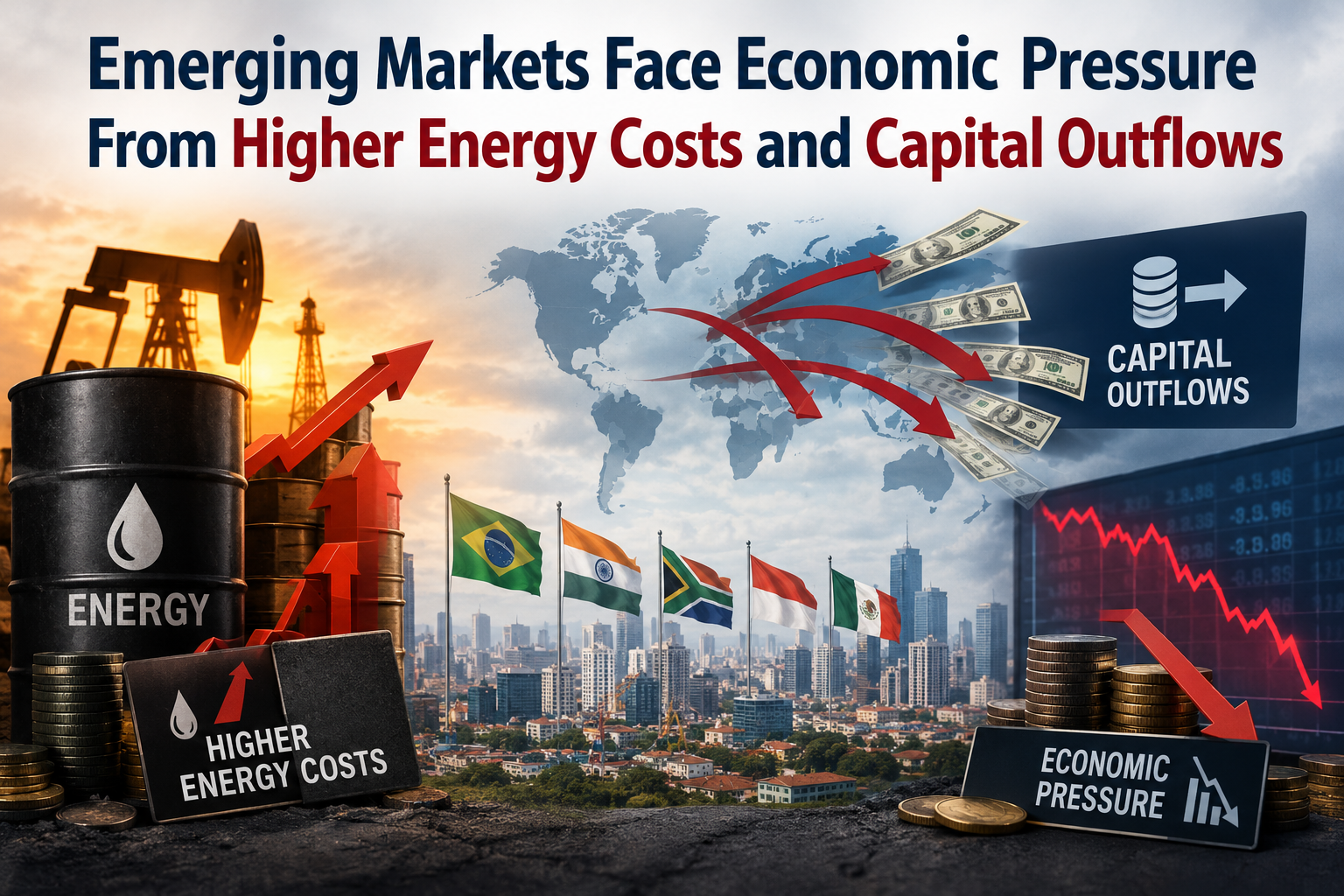
Energy prices have become a major factor influencing the eurozone’s inflation outlook. Geopolitical tensions and uncertainty surrounding energy supplies have increased the risk of further price fluctuations.
Europe remains exposed to changes in international energy markets. Higher oil and natural gas prices can increase electricity bills, transportation expenses and industrial production costs. Businesses may pass these additional expenses on to consumers, adding to inflation.
The outlook for natural gas supplies is another concern as the region approaches winter. Economists have warned that low storage levels and colder-than-expected weather could push heating costs higher.
The ECB must therefore consider not only current inflation figures but also the possibility that energy-related pressures could continue into 2027.
ECB Officials Adopt a Cautious Approach
The central bank has indicated that future interest-rate decisions will depend on incoming economic data rather than a predetermined policy path.
At its October 29 meeting, the ECB kept its three key interest rates unchanged. President Christine Lagarde said that rising energy prices presented upside risks to inflation while potentially weakening economic growth. She also stressed that policymakers would assess the inflation outlook, underlying price developments and the effectiveness of monetary policy before making further decisions.
On November 5, Lagarde said the ECB would examine several indicators before deciding whether a December rate increase was necessary. Her comments highlighted the challenge facing policymakers: higher interest rates can help control inflation, but they can also make borrowing more expensive and place additional pressure on businesses and households.
A Reuters report on November 12 indicated that most economists expected December’s increase to be the final move in the current tightening cycle. However, more than one-third of those surveyed anticipated another increase in early 2027 if inflation remained elevated. <Cite refs={[“turn916053search3”]}/
Impact on Businesses and Consumers
An increase in ECB interest rates would affect several areas of the European economy.
For households, higher rates could increase mortgage repayments and the cost of personal loans, particularly for borrowers with variable-rate arrangements or loans that need refinancing. Consumers may also reduce discretionary spending as more of their income goes towards debt payments.
Businesses could face higher financing costs when borrowing to expand operations, purchase equipment or invest in new projects. Small and medium-sized enterprises may be particularly sensitive to tighter credit conditions.
At the same time, higher interest rates can encourage saving and reduce excessive borrowing, helping moderate demand and gradually ease inflationary pressure.
The challenge for the ECB is to control rising prices without unnecessarily weakening economic activity or employment.
Implications for Global Markets and India
The ECB’s monetary policy decisions extend beyond the eurozone. Changes in European interest rates can influence international investment flows, currency markets, bond yields and global borrowing conditions.
If European interest rates rise, the euro could receive support from increased demand for euro-denominated assets, although exchange-rate movements will also depend on developments in other major economies.
For India, European monetary tightening is relevant because the European Union is an important trading and investment partner. Higher borrowing costs and weaker European consumer demand could affect Indian exporters, particularly businesses supplying engineering products, automobiles, textiles, pharmaceuticals and other manufactured goods.
Indian companies with operations, customers or financing exposure in Europe may also need to account for changes in exchange rates and borrowing costs. However, the overall impact will depend on the strength of European demand and the direction of global financial markets.
The Worldonomics Times View
The European Central Bank’s expected December rate increase reflects the difficulty of controlling inflation when energy prices and geopolitical uncertainty remain major economic risks. With eurozone inflation reaching 4% in October, policymakers have strong reasons to remain cautious about allowing price pressures to become persistent.
However, monetary tightening is not without consequences. Higher interest rates can reduce investment, increase household borrowing costs and slow economic growth. The ECB must therefore balance its responsibility for price stability with the need to maintain economic resilience.
The December meeting will be an important test of the central bank’s approach. Whether the expected increase becomes the final step in the current cycle or the beginning of further tightening will depend on inflation, energy markets, wage developments and economic growth in the months ahead.
For businesses, investors and households, the key message is clear: borrowing costs and inflation risks are likely to remain important considerations as Europe moves towards 2027.