By The Worldonomics Times | Global Economy
Date: 3 November 2026
Geopolitical Conflict, Shipping Disruptions and Diplomatic Uncertainty Keep International Energy Markets on Edge
International crude oil markets are experiencing significant price fluctuations as geopolitical tensions in the Middle East continue to threaten global energy supplies. Uncertainty surrounding the conflict involving the United States and Iran, risks to commercial shipping through the Strait of Hormuz and changing expectations about diplomatic negotiations have created an unpredictable environment for oil producers, traders and importing countries.
On November 3, Brent crude futures were trading around $104.43 per barrel, while US West Texas Intermediate (WTI) crude stood near $96.30. These prices followed a sharp decline in the previous trading session, when Brent dropped approximately 7.6% to settle at $104.77 per barrel. The movement demonstrates how quickly oil market sentiment can change in response to developments in international politics and energy supply conditions.
Although hopes of diplomatic progress have encouraged some investors to expect reduced supply disruptions, continued military activity has prevented markets from gaining confidence in a lasting resolution.
Middle East Conflict Remains the Biggest Market Concern
The Middle East remains one of the world’s most important oil-producing regions. Any disruption to its energy infrastructure or shipping routes can have immediate consequences for international crude oil prices.
The Strait of Hormuz is particularly important because it handles a substantial share of global oil and liquefied natural gas shipments. Before the current conflict, approximately one-fifth of the world’s oil and gas supplies passed through this strategic waterway.
The ongoing conflict has significantly reduced shipping activity through the strait, raising concerns about the availability of crude oil for international buyers. Attacks on commercial vessels, security threats and uncertainty surrounding maritime transportation have also increased insurance premiums and freight expenses.
For energy-importing countries, the situation creates additional risks because even when crude oil remains available, transporting it safely and reliably can become considerably more expensive.
Diplomatic Developments Create Sharp Price Movements
Oil prices have become increasingly sensitive to statements and developments involving Washington and Tehran.
Reports of negotiations involving US and Iranian representatives, with mediation efforts from Qatar, have periodically encouraged expectations of a diplomatic settlement. Such developments can reduce the geopolitical risk premium included in crude oil prices.
However, uncertainty remains high because negotiations have not yet produced a durable agreement. Reports of fresh military activity have repeatedly raised concerns that the conflict could intensify again.
On November 2, expectations of diplomatic progress contributed to a sharp decline in oil prices. The following day, reports of further military activity around Iran renewed concerns about the security of regional energy supplies.
This changing situation has made it difficult for traders to establish a clear direction for crude prices. Markets are reacting not only to actual supply disruptions but also to expectations about what could happen next.
Global Energy Supply Buffers Are Under Pressure
Another major concern is the declining availability of global oil inventories. According to a Reuters report published on November 2, ADNOC Chief Executive Sultan Al Jaber warned that nearly one billion barrels had been drawn from global oil inventories since the disruption to shipping through the Strait of Hormuz.
The report also highlighted declining diesel stocks in some regions and growing concerns about the availability of refined fuels. These developments indicate that the impact of the conflict extends beyond crude oil into the wider energy supply chain.
Oil inventories play an important role in protecting markets against sudden disruptions. When stocks decline, countries and companies have fewer resources available to manage unexpected shortages.
Even if diplomatic negotiations eventually lead to the reopening of major shipping routes, restoring normal supply conditions may take considerable time. Tanker availability, shipping insurance, infrastructure repairs and inventory replenishment could delay the recovery of international energy markets.
OPEC+ Production Decisions Add to Market Uncertainty
The production policies of the Organisation of the Petroleum Exporting Countries and its partners, collectively known as OPEC+, are another important factor influencing oil prices.
The group has maintained a cautious approach to production adjustments amid continuing uncertainty in the Middle East. According to recent reports, seven core OPEC+ members agreed to keep production unchanged in December.
The decision reflects the difficulty of balancing market stability with the risks of geopolitical disruption. Increasing production could help improve supply availability, but actual exports may remain constrained if transportation routes and regional infrastructure are threatened.
At the same time, oil-producing countries outside the Middle East, including the United States, continue to influence global supply through their production decisions.
Impact on Inflation, Businesses and the Global Economy
Volatile oil prices can create significant economic challenges because crude oil is a major input for transportation, manufacturing, agriculture and international trade.
When prices rise, airlines, shipping companies, logistics providers and manufacturers face higher operating expenses. Businesses may eventually pass these costs to consumers through increased prices for goods and services.
Higher energy costs can therefore contribute to inflation, reduce household purchasing power and complicate decisions by central banks.
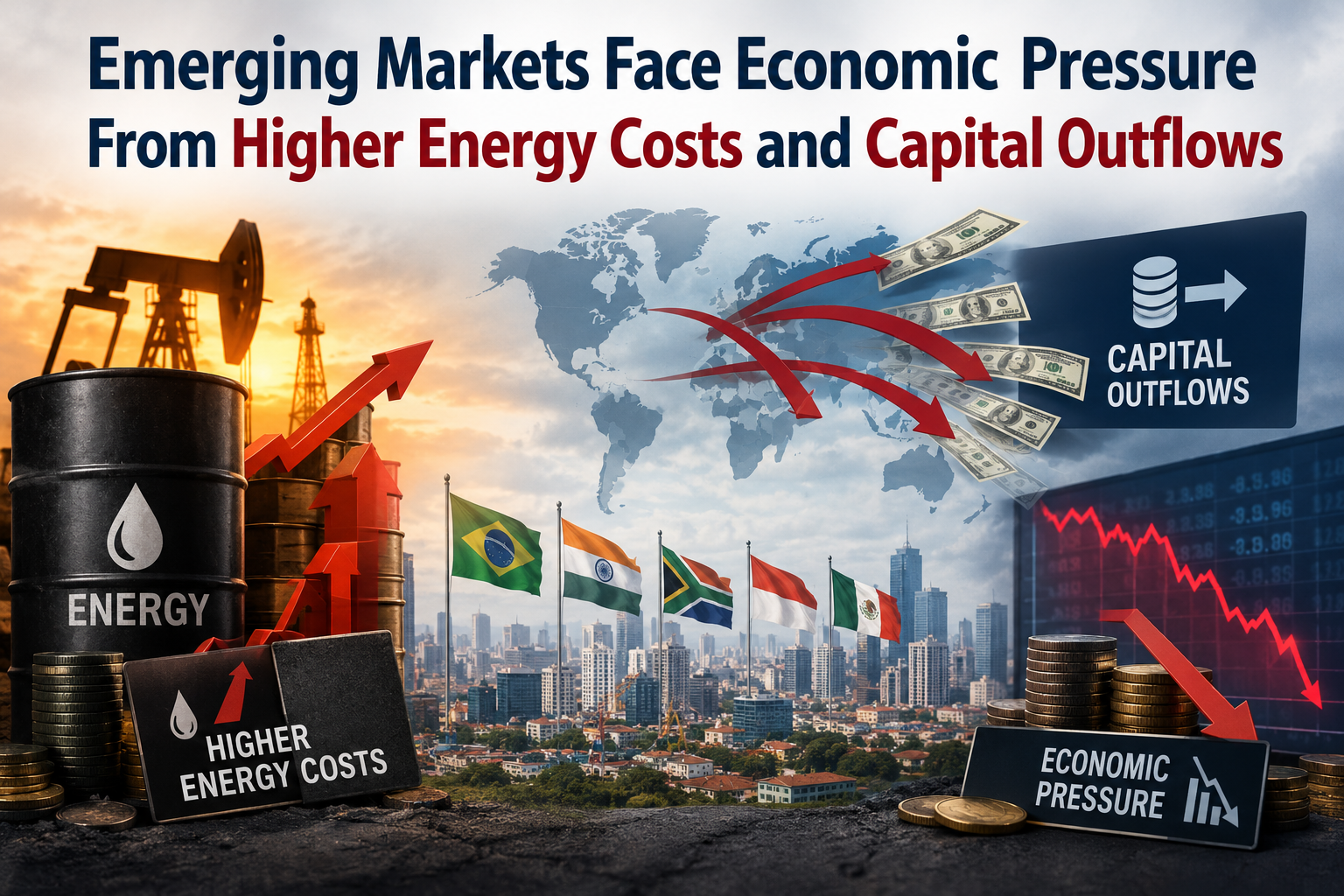
Developing economies are particularly vulnerable when they depend heavily on imported energy. A sudden increase in crude oil prices can raise import bills, weaken trade balances and place pressure on national currencies.
Implications for India
India is one of the world’s major crude oil importers, making international oil price movements particularly important for its economy.
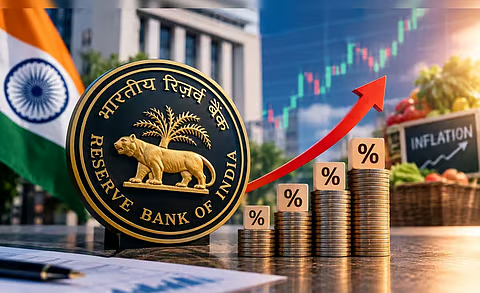
Higher crude prices can increase India’s petroleum import expenditure, put pressure on the current account balance and create additional challenges for domestic fuel pricing.
Transportation, aviation, chemicals, plastics, paints and manufacturing industries may experience increased production and distribution costs. Higher fuel expenses can also influence agricultural operations and the movement of essential goods.
For the government, sustained increases in oil prices can create difficult policy choices involving fuel taxes, subsidies, inflation management and public finances.
Diversifying crude oil import sources, strengthening strategic petroleum reserves, improving domestic energy production and accelerating renewable energy investment could help reduce India’s exposure to future supply shocks.
The Worldonomics Times Views
The current volatility in international oil markets highlights the importance of energy security in an increasingly interconnected global economy. The situation demonstrates that geopolitical instability can quickly influence the cost of transportation, manufacturing and essential consumer goods across countries.
In our view, governments should not treat the present oil price fluctuations as a temporary market problem alone. Greater investment in strategic energy reserves, diversified supply routes and renewable energy infrastructure is necessary to reduce vulnerability to international disruptions.
We also believe that energy-producing countries and major importing economies should strengthen cooperation to maintain reliable supply chains and improve transparency in global energy markets.
For India and other developing economies, reducing excessive dependence on imported fossil fuels should remain a long-term economic priority. Expanding renewable energy, improving energy efficiency and developing alternative transportation fuels can strengthen national resilience.
The Worldonomics Times believes that stable energy supplies are essential not only for economic growth but also for inflation control, industrial competitiveness and global financial stability.
Conclusion
International crude oil markets remain highly volatile as Middle East tensions, uncertain shipping conditions and diplomatic developments continue to influence global supply expectations. Although hopes of negotiations have recently encouraged price declines, the possibility of further conflict means that the market remains exposed to sudden changes.
For governments, businesses and investors, the priority must be to prepare for continued uncertainty. Strengthening energy security, diversifying supply sources and reducing dependence on vulnerable transportation routes will be essential to managing future disruptions.
The direction of oil prices in the coming months will depend heavily on geopolitical developments, OPEC+ production decisions and the ability of international markets to restore reliable energy supplies.