The Worldonomics Times | November 2026
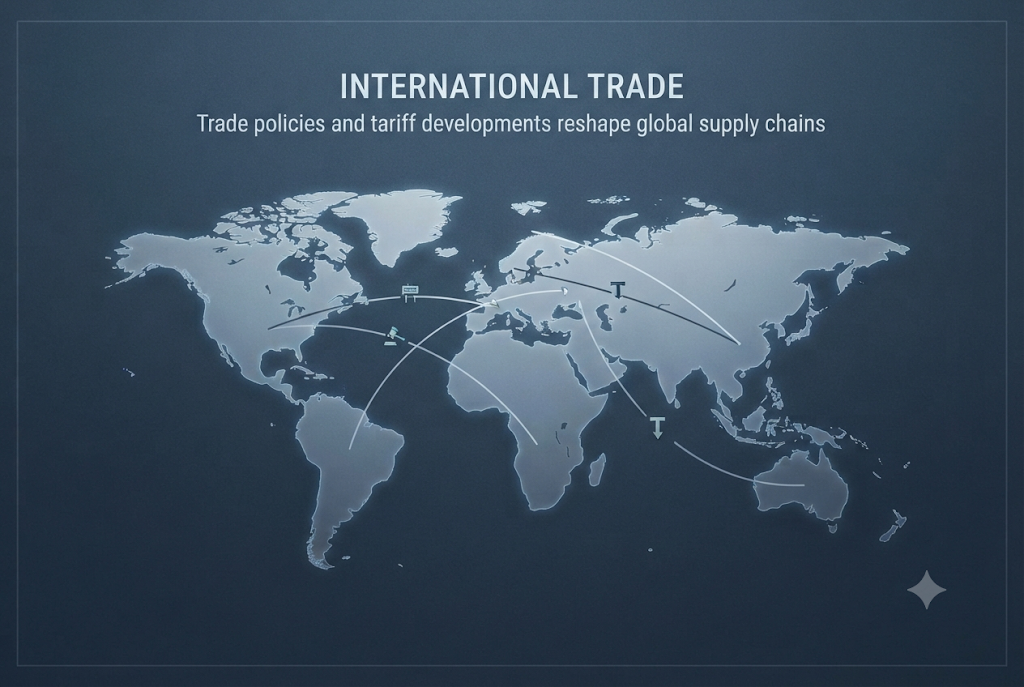
International trade is undergoing a significant transformation as governments reassess trade policies, introduce tariff measures and strengthen domestic manufacturing priorities. Changing geopolitical relationships, economic competition and supply-chain vulnerabilities are reshaping how goods and services move across international markets. These developments are creating new opportunities for some industries while increasing costs and uncertainty for businesses operating across borders.
Global supply chains, which were traditionally designed around cost efficiency and large-scale international production, are increasingly being reorganised to prioritise resilience, diversification and strategic security. Businesses are reviewing sourcing locations, manufacturing operations and distribution networks to adapt to changing trade conditions. As a result, international trade is becoming an increasingly important factor influencing global economic growth and investment decisions.
Changing Trade Policies Reshape Global Markets
Governments are increasingly using trade policies to protect domestic industries, strengthen strategic sectors and improve national economic competitiveness. Tariffs, import restrictions, export controls and industrial incentives are becoming important components of international economic policy.
While such measures may support selected domestic manufacturers, they can also increase the cost of imported products and create additional challenges for companies dependent on international suppliers.
Major economies are reassessing their trade relationships as competition intensifies in sectors such as semiconductors, electric vehicles, artificial intelligence, renewable energy and advanced manufacturing. These policy changes are influencing international business strategies and encouraging companies to reconsider their global operating structures.
The resulting environment requires businesses to remain flexible and closely monitor regulatory developments across different markets.
Tariff Developments and Their Economic Impact
Tariffs remain one of the most significant instruments influencing international trade. By imposing additional duties on imported products, governments aim to protect domestic producers, generate revenue or respond to specific trade concerns.
However, tariffs can also increase costs for importers, manufacturers and consumers. Companies that depend on imported raw materials, machinery and intermediate components may experience higher production expenses. These costs can eventually influence product prices, profit margins and investment decisions.
For industries operating through complex international supply chains, even changes affecting a limited number of imported components can have wider consequences. Businesses may need to identify alternative suppliers, negotiate new contracts or relocate certain production activities.
The broader economic impact of tariffs depends on their scale, duration, affected industries and the responses of trading partners.
Global Supply Chains Undergo Structural Changes
One of the most visible consequences of changing trade policies is the restructuring of global supply chains. Businesses are moving beyond traditional cost-focused sourcing strategies and placing greater emphasis on supply security, operational flexibility and geographic diversification.
The concepts of nearshoring and friendshoring are receiving increasing attention. Nearshoring involves relocating production closer to major consumer markets, while friendshoring focuses on developing supply relationships with countries considered reliable economic partners.
Companies are also adopting multiple-supplier strategies to reduce dependence on a single country or manufacturing location. These adjustments can improve resilience but may also increase logistics, production and inventory management costs.
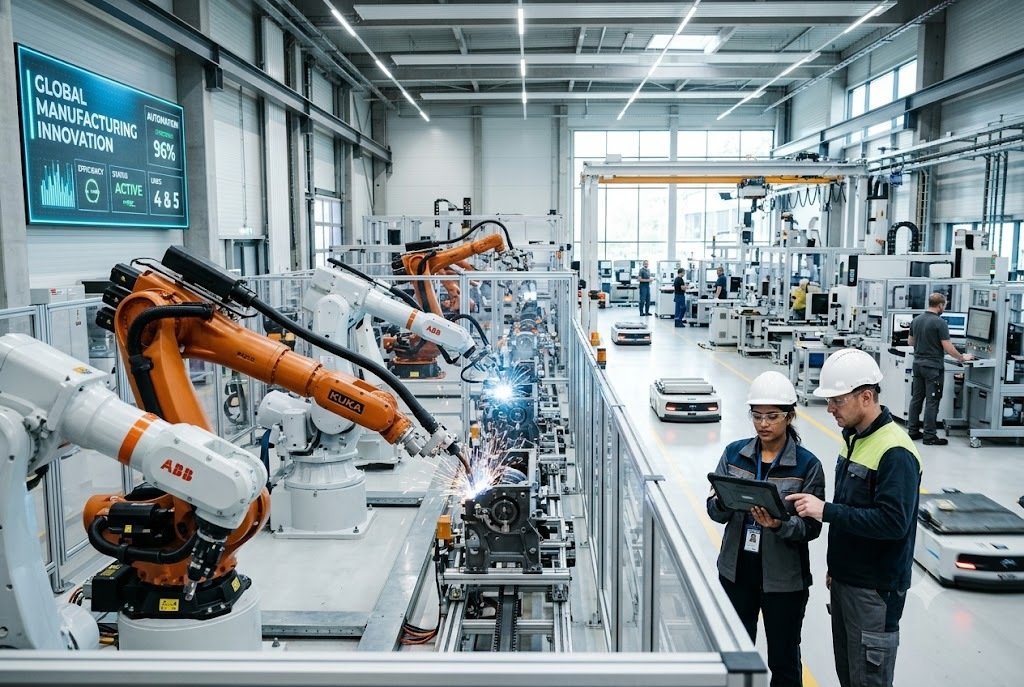
Technology is playing an important role in this transformation. Digital supply-chain platforms, artificial intelligence, data analytics and automation are helping companies monitor inventory, improve forecasting and manage international logistics more efficiently.
Emerging Economies Gain New Opportunities
Supply-chain diversification is creating opportunities for emerging economies seeking to strengthen their manufacturing and export capabilities. Countries with competitive labour markets, improving infrastructure and favourable investment conditions may attract new manufacturing projects.
India, Vietnam, Indonesia and other Asian economies are increasingly relevant to discussions about alternative production locations and diversified sourcing strategies.
India, in particular, has opportunities to expand its role in electronics manufacturing, pharmaceuticals, automotive components, textiles and industrial production. However, infrastructure development, logistics efficiency, regulatory consistency and workforce skills will remain important factors in attracting long-term investment.
For emerging markets, stronger participation in international supply chains could support employment, technology transfer, industrial development and export growth.
International Trade and Business Investment
Trade uncertainty can influence investment decisions by making long-term business planning more complicated. Companies may postpone expansion projects when tariff structures, market-access conditions or international regulations remain unpredictable.
At the same time, new trade arrangements and investment incentives can encourage businesses to establish production facilities in alternative locations.
Multinational corporations are increasingly considering geopolitical exposure, transportation costs, market access and regulatory requirements when deciding where to manufacture and distribute products.
Maintaining predictable trade relationships will therefore be important for supporting international investment and strengthening business confidence.
The Worldonomics Times View
The Worldonomics Times believes that the transformation of international trade highlights the importance of balancing national economic priorities with global cooperation.
Protecting domestic industries and strengthening strategic manufacturing capabilities can be legitimate policy objectives. However, excessive trade restrictions and prolonged tariff disputes may increase costs, disrupt supply chains and create uncertainty for businesses and consumers.
A more balanced approach should encourage fair competition, transparent trade regulations and stronger international partnerships. Governments should also invest in infrastructure, technological capabilities and workforce development to improve domestic competitiveness without undermining international economic cooperation.
For businesses, diversification and adaptability will be essential. Companies that build flexible sourcing networks, invest in digital supply-chain management and maintain strong international partnerships will be better prepared to manage changing trade conditions.
Outlook: A New Era for Global Trade
International trade is entering a new phase in which supply-chain resilience, economic security and technological competitiveness are becoming as important as production costs and market access.
Future trade patterns will depend on government policies, tariff developments, international negotiations and the ability of businesses to adapt to changing market conditions. Emerging economies may benefit from manufacturing diversification, while established trading nations will need to strengthen competitiveness and maintain reliable international partnerships.
Ultimately, global trade remains an important engine of economic growth, employment and innovation. Building resilient and efficient supply chains while maintaining constructive international trade relationships will be essential for supporting sustainable economic development.
The Worldonomics Times | Bringing global economic developments, financial insights and business perspectives into focus.