The Worldonomis Times
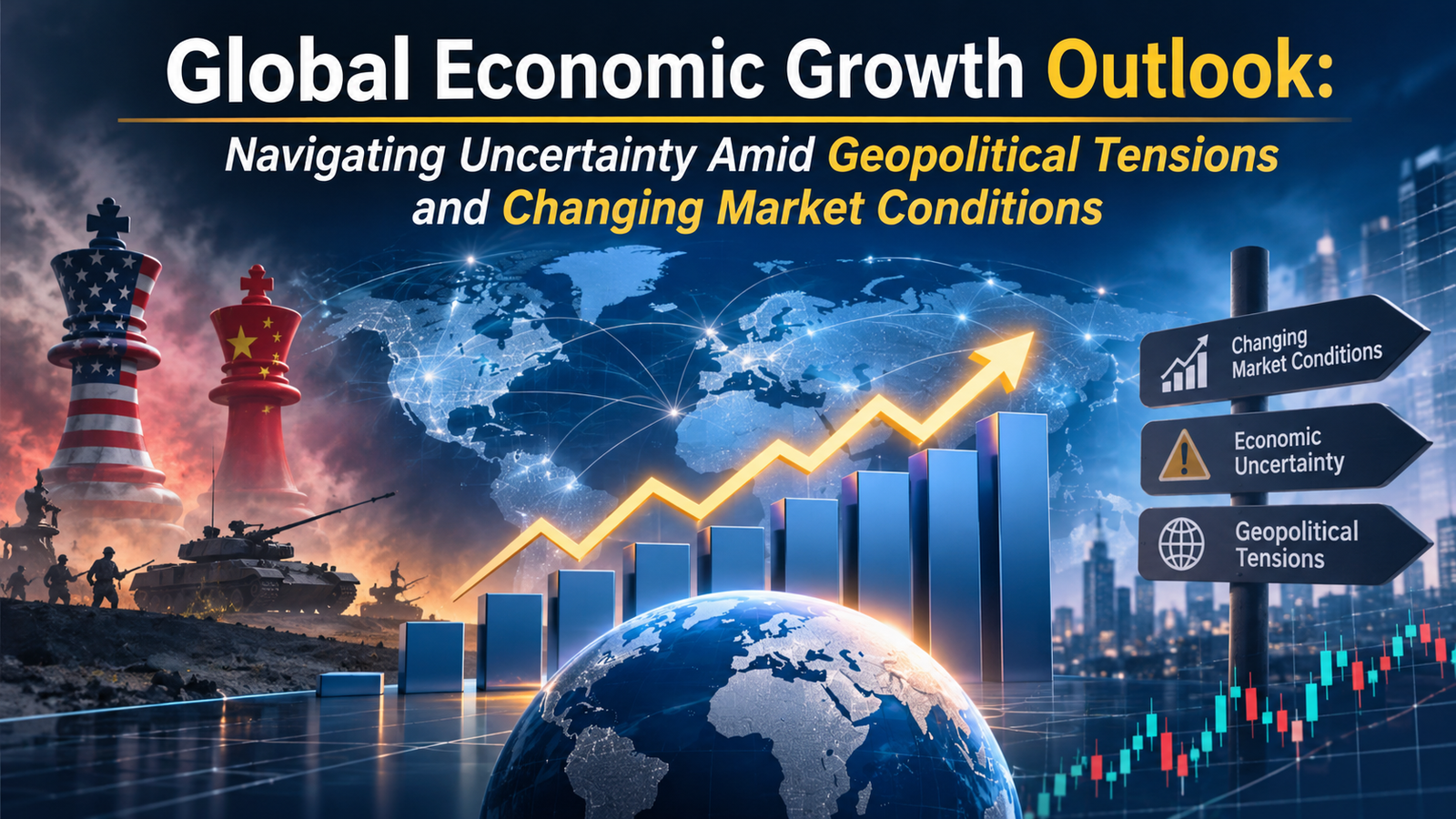
Global oil prices continue to play a crucial role in shaping the international economic landscape. Frequent fluctuations in crude oil prices are raising concerns among governments, businesses, investors, and consumers, as energy costs directly influence inflation, industrial production, transportation, and overall economic growth. With the global economy already facing geopolitical uncertainties, changing trade policies, and uneven economic recovery, instability in the oil market has become an important source of concern.
Oil remains one of the most significant commodities in the global economy. Any substantial increase or sudden decline in its price can create ripple effects across multiple sectors. As countries depend on petroleum for transportation, manufacturing, electricity generation, and other essential activities, changes in oil prices can have a direct impact on the cost of living.
Rising Oil Prices and Inflationary Pressure
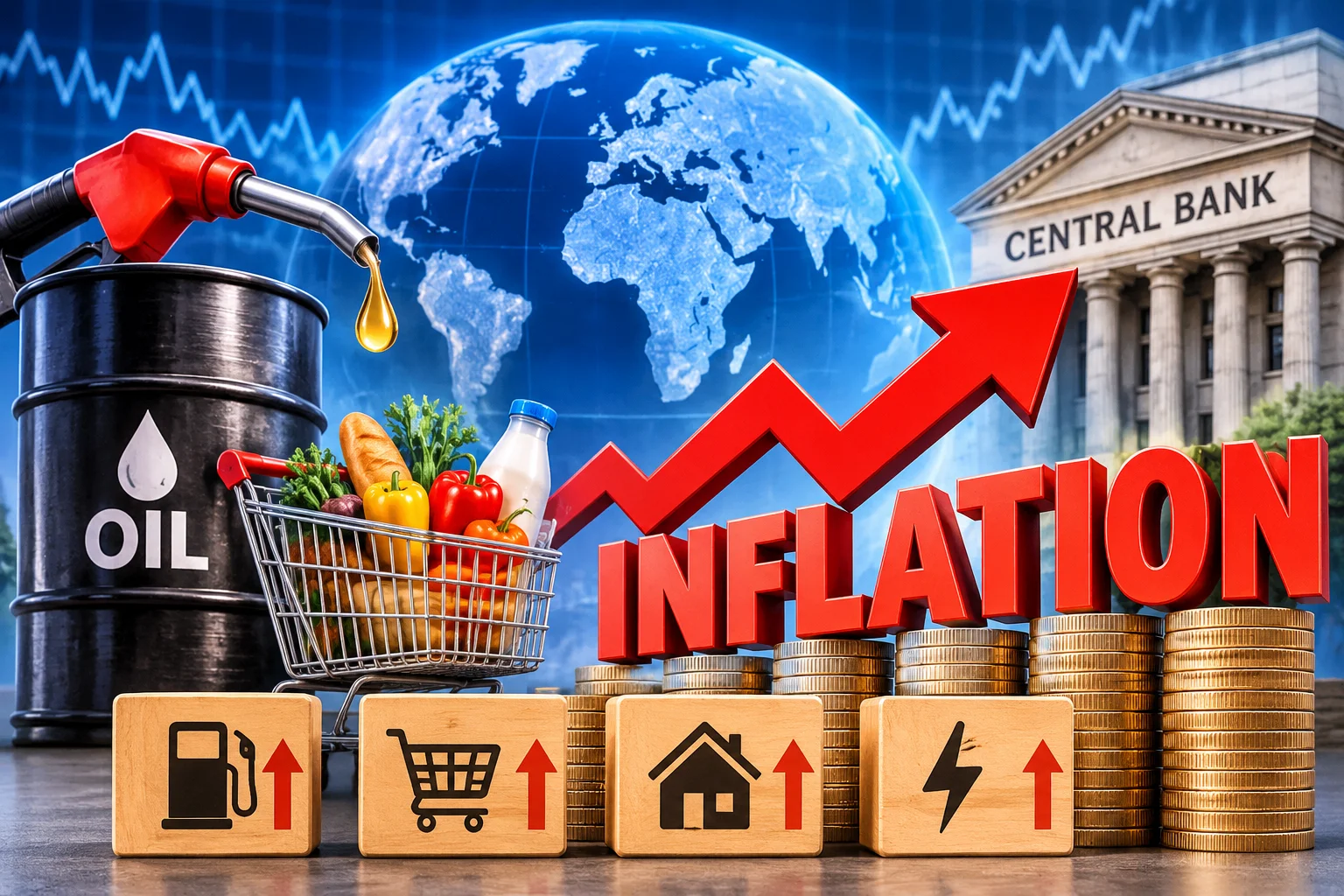
One of the biggest concerns associated with increasing oil prices is their contribution to global inflation. When crude oil becomes more expensive, the cost of producing and transporting goods generally rises. Businesses facing higher operating expenses may transfer these additional costs to consumers through increased prices.
The transportation sector is particularly sensitive to oil price movements. Higher fuel prices increase the cost of road freight, aviation, shipping, and public transportation. These expenses eventually affect the prices of food, consumer goods, industrial materials, and essential services.
Similarly, industries such as chemicals, plastics, fertilisers, construction, and manufacturing depend heavily on petroleum and petroleum-based products. Rising energy costs can therefore create inflationary pressure across the broader economy.
Although falling oil prices may provide temporary relief, their benefits can take time to reach consumers because of existing contracts, taxes, distribution costs, and other market factors.
Geopolitical Tensions and Supply Disruptions
Geopolitical developments remain among the major factors influencing global crude oil prices. Conflicts in oil-producing regions, international sanctions, diplomatic tensions, and disruptions to important shipping routes can create uncertainty about future supplies.
The Middle East remains particularly important to the global energy market because of its significant contribution to international oil production and exports. Any instability affecting major oil-producing countries or strategic transportation routes can influence market expectations and trigger price volatility.
The Strait of Hormuz, one of the world’s most important oil transportation routes, is especially significant. Disruptions in this region could affect international energy supplies and increase shipping and insurance costs.
Furthermore, production decisions by major oil-producing countries and the OPEC+ alliance can influence the balance between global supply and demand. Even expectations of production cuts or increases can affect market prices before actual changes take place.
Impact on Emerging Economies
Developing economies are particularly vulnerable to fluctuations in international oil prices because many depend heavily on imported crude oil to meet domestic energy requirements.
Countries such as India face considerable challenges when international oil prices rise. Higher crude oil import costs can increase the country’s import bill, place pressure on the current account balance, and contribute to currency fluctuations.
For businesses, expensive fuel can increase manufacturing and logistics costs, reducing profit margins and potentially affecting investment decisions.
Consumers may also experience higher expenses through increased transportation costs and the prices of everyday products. Low-income households are particularly vulnerable because a larger proportion of their budgets is spent on essential goods and services.
However, lower oil prices can benefit oil-importing economies by reducing import expenditure, easing inflationary pressure, and improving the financial position of energy-intensive industries.
Central Banks Face Difficult Policy Decisions
Oil price fluctuations also create challenges for central banks responsible for maintaining price stability.
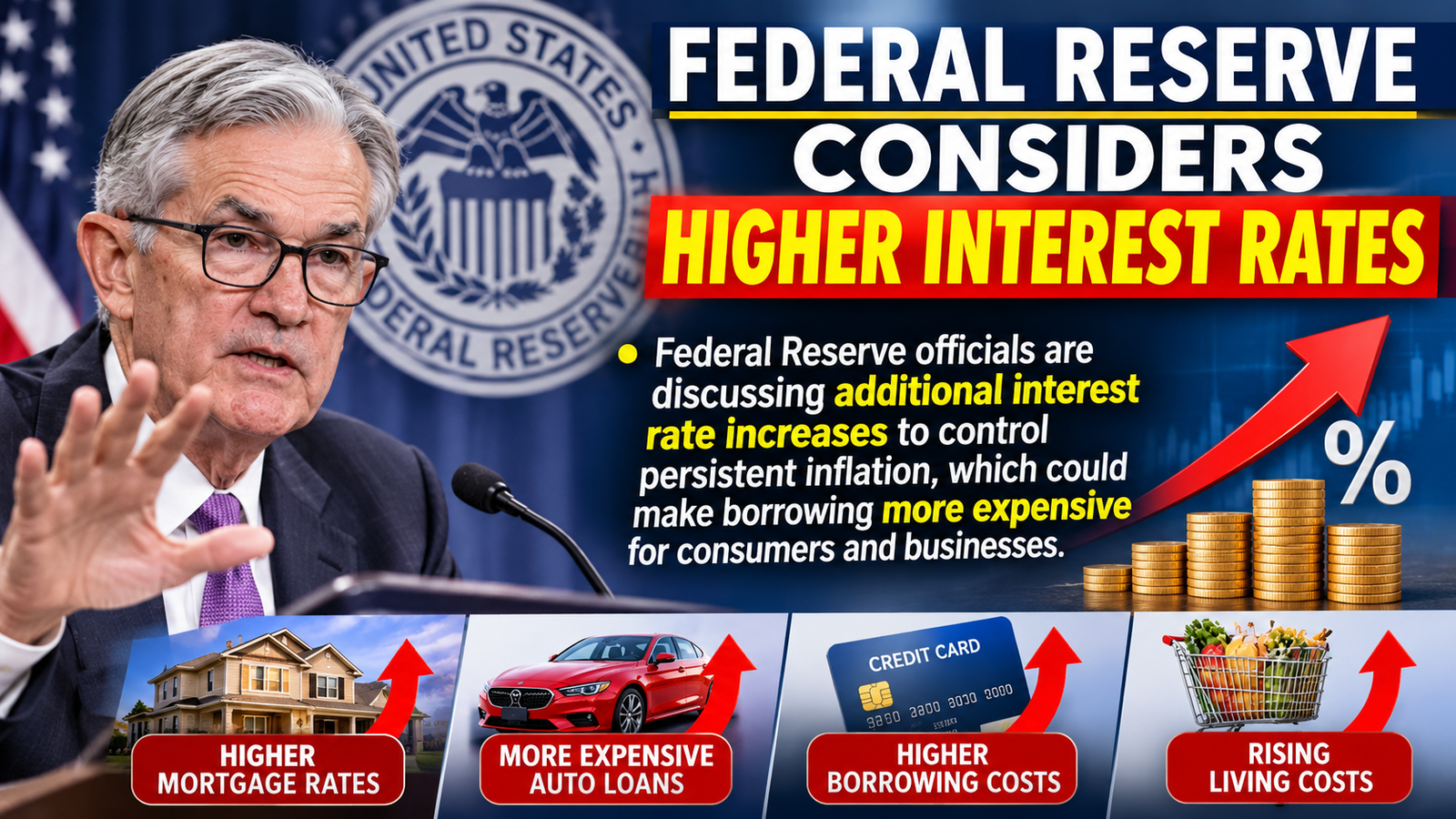
When energy prices rise sharply, inflation may accelerate, making it difficult for policymakers to achieve their inflation targets. Central banks may consider maintaining higher interest rates or delaying interest rate reductions to prevent inflationary expectations from becoming entrenched.
However, higher interest rates can also increase borrowing costs, discourage investment, and slow economic activity.
This creates a difficult balancing act. Policymakers must determine whether rising energy prices represent a temporary supply disruption or a longer-lasting inflationary trend.
If oil prices remain elevated for an extended period, their impact may spread beyond energy markets into wages, production costs, transportation, and consumer prices.
Renewable Energy and the Need for Diversification
The continuing uncertainty in international oil markets has strengthened the importance of energy diversification. Governments worldwide are increasingly investing in renewable energy sources, including solar, wind, hydropower, and green hydrogen.
Reducing dependence on imported fossil fuels can improve energy security and protect national economies from sudden international price shocks.
For countries such as India, expanding renewable energy capacity, improving energy efficiency, developing electric mobility, and strengthening domestic energy infrastructure can help reduce long-term vulnerability to global oil market disruptions.
Nevertheless, the transition towards cleaner energy requires significant investment, technological development, and reliable infrastructure. Conventional fuels are likely to remain important to the global economy during this transition.
Businesses Must Prepare for Energy Market Uncertainty
Companies operating in energy-intensive industries need to develop strategies to manage changing fuel and transportation costs. Improving operational efficiency, diversifying energy sources, adopting modern technologies, and strengthening supply-chain management can help reduce exposure to price volatility.
Businesses should also consider long-term energy procurement strategies and carefully evaluate how changing fuel prices may affect their production expenses and profitability.
For small and medium-sized enterprises, government assistance, affordable financing, and access to energy-efficient technologies can play an important role in maintaining competitiveness.
The Worldonomis Times View
The Worldonomis Times believes that oil price fluctuations represent more than a challenge for the energy industry; they are a significant factor influencing global economic stability.
While geopolitical developments and supply-demand imbalances may continue to create uncertainty, countries must focus on building stronger and more resilient energy systems.
Governments should avoid excessive dependence on a limited number of energy suppliers and prioritise strategic reserves, diversified imports, renewable energy investment, and efficient fuel management.
At the same time, central banks must carefully assess the wider inflationary consequences of energy price movements rather than reacting only to short-term market fluctuations.
For emerging economies, particularly those dependent on imported petroleum, energy diversification should be viewed as both an economic necessity and a national development priority.
Ultimately, affordable and reliable energy is essential for sustainable economic growth. The future stability of the global economy will depend not only on the direction of oil prices but also on how effectively nations prepare for energy uncertainty, strengthen domestic capabilities, and accelerate the transition towards a more diversified and sustainable energy future.