By The Worldonomics Times | Global Economy
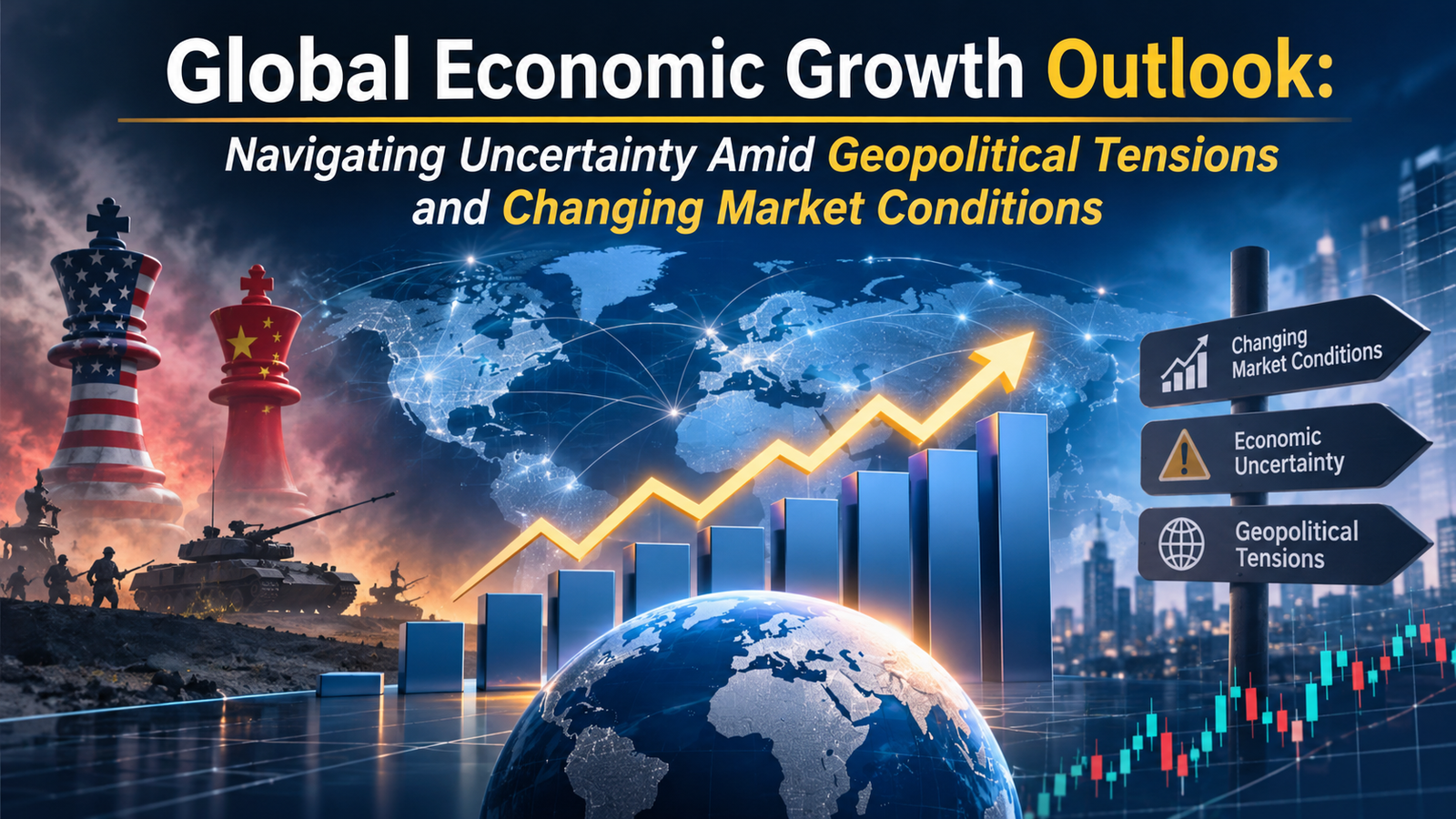
The global economy is entering a challenging phase as geopolitical tensions, changing trade policies, energy market disruptions, inflationary pressures, and financial uncertainties continue to reshape the international economic landscape. While several economies have demonstrated remarkable resilience in the face of recent disruptions, the road ahead remains uncertain. Governments, businesses, investors, and financial institutions must increasingly adapt to a rapidly evolving environment where economic opportunities coexist with significant risks.
According to the International Monetary Fund’s October 2026 World Economic Outlook, global economic growth is projected at 3.1% in 2026, with a potential improvement to 3.4% in 2027. However, global inflation is expected to rise to 4.7% in 2026 before moderating to 4.1% in 2027. These projections highlight the growing challenges facing policymakers as they attempt to balance economic expansion with price stability and financial resilience.
Geopolitical Tensions and Their Economic Consequences
Geopolitical developments have become one of the most influential factors shaping global economic performance. Conflicts in strategically important regions, particularly the Middle East, have disrupted energy markets, affected international shipping routes, and increased uncertainty across global supply chains.
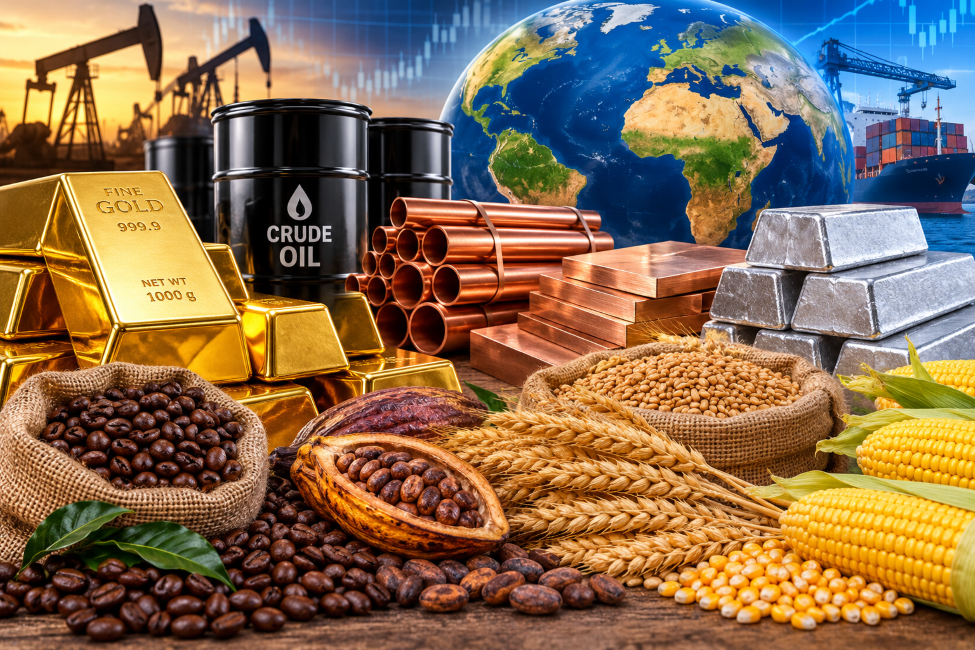
Energy-importing countries are particularly vulnerable to these developments. Higher crude oil and natural gas prices increase production and transportation costs, placing additional pressure on industries and consumers. Businesses operating in manufacturing, logistics, aviation, and agriculture may face higher operating expenses, ultimately affecting profitability and consumer purchasing power.
Furthermore, continuing trade disagreements, economic sanctions, and protectionist policies are creating additional barriers to international commerce. The increasing fragmentation of global trade could weaken investment confidence and reduce the efficiency of international supply networks.
For businesses operating across borders, the ability to diversify suppliers, identify alternative markets, and strengthen operational flexibility has become increasingly important.
Changing Market Conditions and Financial Uncertainty
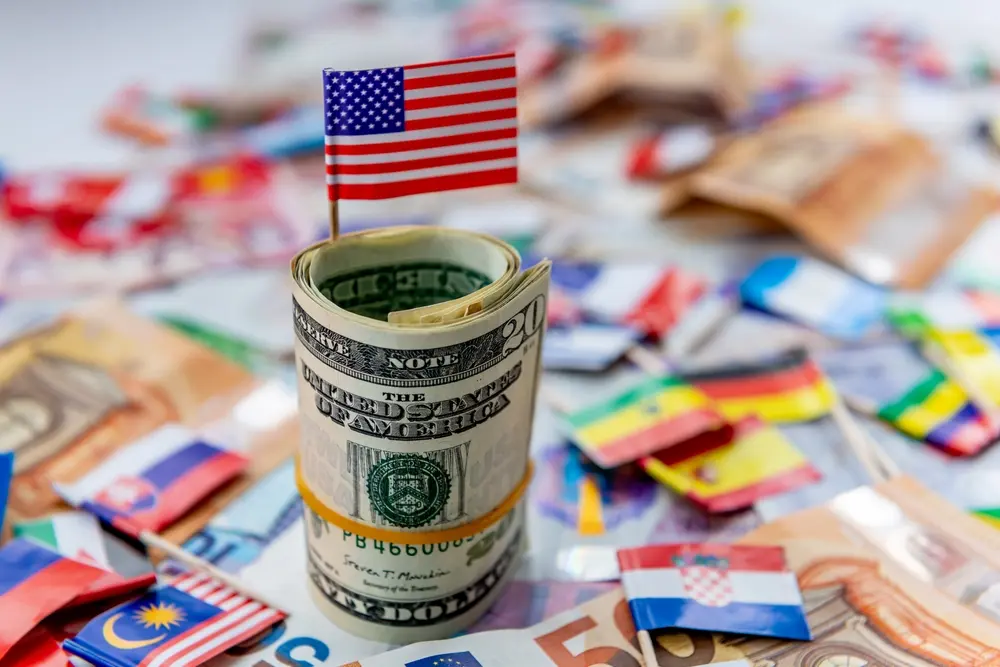
Global financial markets are experiencing considerable uncertainty as investors respond to changing interest rate expectations, inflation trends, currency fluctuations, and geopolitical developments.
Central banks face a difficult balancing act. While higher interest rates can help control inflation, they may also increase borrowing costs, discourage investment, and slow economic activity. On the other hand, reducing interest rates too quickly could reignite inflationary pressures and create financial instability.
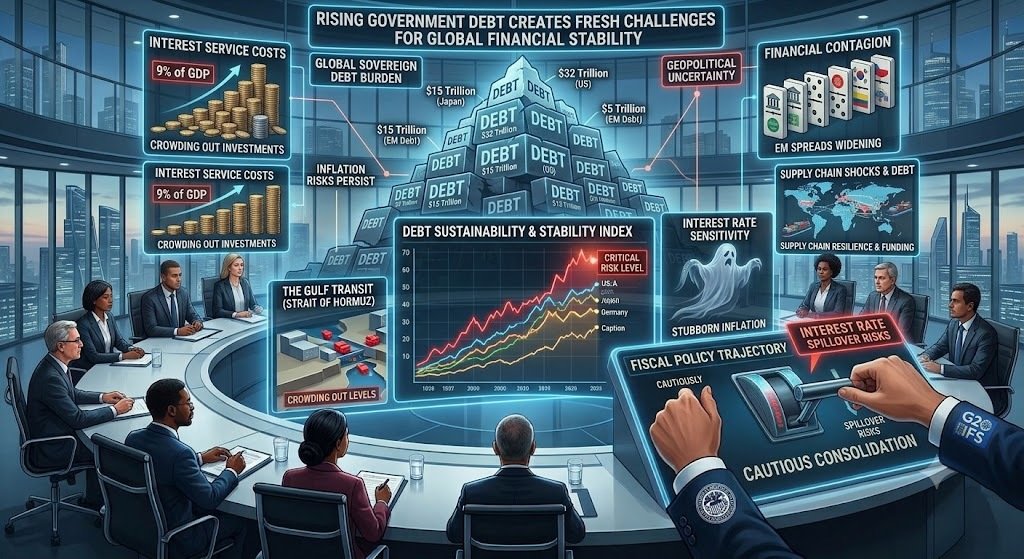
Government debt levels and fiscal pressures add another dimension to the challenge. Countries with limited financial resources may find it difficult to introduce large-scale economic support programmes while maintaining sustainable public finances.
Financial markets are also closely monitoring developments in artificial intelligence and technology-related investments. Although technological innovation offers significant opportunities for productivity and economic expansion, excessive market expectations or disappointing investment returns could trigger financial corrections.
The Role of Emerging Economies in Global Growth
Emerging economies are becoming increasingly important contributors to global economic activity. Countries across Asia, Africa, and Latin America are attracting investment through expanding consumer markets, infrastructure development, industrialisation, and digital transformation.
India, in particular, continues to represent an important growth opportunity within the global economic landscape. Its expanding digital economy, infrastructure investments, manufacturing ambitions, and growing domestic consumption provide important foundations for long-term development.
However, emerging economies must also navigate challenges such as currency volatility, external debt, imported energy costs, and changing international trade conditions.
Strengthening domestic industries, improving logistics infrastructure, encouraging foreign direct investment, and developing skilled workforces will be essential to maintaining sustainable growth.
Technology and Innovation as Drivers of Economic Transformation
Technological advancement is emerging as one of the strongest potential drivers of future economic growth. Artificial intelligence, automation, cloud computing, digital payments, and advanced manufacturing are transforming traditional business models and improving operational efficiency.
Companies adopting innovative technologies can enhance productivity, reduce costs, improve decision-making, and develop new revenue opportunities. Governments investing in digital infrastructure and technological education can also strengthen national competitiveness.
Nevertheless, technological transformation requires careful planning. Cybersecurity threats, workforce displacement, data privacy concerns, and unequal access to digital resources must be addressed to ensure that innovation benefits businesses and society more broadly.
Energy Security and Sustainable Development
The current geopolitical environment has reinforced the importance of energy security and diversification. Heavy dependence on imported fossil fuels exposes economies to international price fluctuations and supply disruptions.
Consequently, governments are increasingly recognising the strategic importance of renewable energy, including solar, wind, and hydropower. Investments in clean energy infrastructure, battery storage, electric mobility, and energy-efficient technologies can reduce long-term vulnerabilities while supporting environmental objectives.
The transition towards sustainable energy is not simply an environmental priority; it is also an economic opportunity capable of creating employment, attracting investment, and encouraging industrial innovation.
The Road Ahead: Building Resilience Through Cooperation
Looking forward, the global economy will require a combination of responsible policymaking, strategic investment, and international cooperation. Governments must prioritise inflation control, fiscal discipline, infrastructure development, and employment generation while ensuring that vulnerable households receive appropriate support.
Businesses, meanwhile, should focus on supply-chain diversification, technological adoption, risk management, and sustainable business practices. Investors must maintain a balanced approach, recognising both the opportunities created by emerging industries and the risks associated with geopolitical and financial uncertainty.
International institutions also have an important role in strengthening economic cooperation, supporting developing countries, and maintaining stable global trade and financial systems.
The Worldonomics View
At The Worldonomics Times, we believe that the global economy is not simply facing a period of uncertainty; it is experiencing a fundamental transformation. Geopolitical tensions, shifting trade alliances, technological disruption, and changing investment patterns are redefining how nations compete, collaborate, and create economic value.
In our view, the biggest challenge for global policymakers is not merely managing short-term economic disruptions but building economies capable of withstanding future shocks. Governments must move beyond reactive policies and focus on long-term economic resilience through infrastructure development, industrial diversification, technological innovation, and stronger international partnerships.
We also believe that emerging economies, particularly India, have a significant opportunity to influence the next phase of global economic growth. Their success, however, will depend on the ability to convert demographic advantages, technological progress, and expanding domestic markets into sustainable productivity and employment.
For businesses and investors, the message is equally important: uncertainty should not automatically lead to hesitation. Instead, it should encourage strategic thinking, responsible investment, market diversification, and innovation.
The Worldonomics perspective is clear: the future will belong to economies that are prepared to adapt, innovate, and collaborate. Economic strength in the coming decade will not be measured solely by GDP growth, but also by resilience, inclusiveness, sustainability, and the ability to create opportunities in an increasingly interconnected world.
Conclusion
The global economic outlook reflects a world undergoing significant transformation. Geopolitical tensions, changing market conditions, technological disruption, and energy uncertainty are creating challenges that cannot be addressed through conventional economic strategies alone.
Nevertheless, uncertainty also presents opportunities for innovation, diversification, and structural reform. Economies that invest in resilience, strengthen institutional frameworks, encourage entrepreneurship, and embrace technological progress will be better positioned to navigate future disruptions.
Ultimately, sustainable global growth will depend not only on how effectively countries respond to immediate economic challenges but also on how successfully they prepare for the opportunities and risks of the coming decade. In an increasingly interconnected world, resilience, adaptability, and international cooperation will remain the defining foundations of long-term economic prosperity.