Changing trade policies, rising tariffs and growing economic competition are reshaping international trade relations, creating new challenges for businesses, governments and global supply chains.
Global trade is undergoing a significant transformation as countries increasingly reconsider their international trade policies to protect domestic industries, strengthen economic security and improve competitiveness. The growing use of tariffs, import restrictions and trade barriers has created uncertainty across international markets, affecting businesses, manufacturers, exporters and consumers. As major economies reassess their trade relationships, the global trading system faces the challenge of balancing national economic interests with the benefits of international cooperation.
International trade has traditionally played a vital role in economic development by encouraging specialisation, expanding market access, attracting investment and creating employment opportunities. However, changing political priorities, economic rivalries and protectionist policies are introducing new complexities into cross-border commerce.
Rising Tariffs and Changing Trade Policies
Tariffs have become an important instrument in international economic policy. Governments impose import duties for several reasons, including protecting domestic manufacturers, addressing trade imbalances, generating revenue and responding to unfair trade practices.
While tariffs can provide temporary protection to domestic industries against foreign competition, they can also increase the cost of imported products and raw materials. Businesses that depend on international suppliers may face higher production expenses, which can ultimately translate into increased prices for consumers.
Frequent changes in tariff structures also create uncertainty for exporters and importers. Companies operating internationally must continuously monitor trade regulations, customs requirements and potential policy changes to maintain their competitiveness.
For multinational businesses, unpredictable tariff policies can influence investment decisions, manufacturing locations and long-term expansion strategies.
Impact on Global Supply Chains
One of the most significant consequences of changing tariff policies is their impact on global supply chains. Modern manufacturing depends on interconnected networks of suppliers, producers and distributors operating across multiple countries.
Industries such as automobiles, electronics, pharmaceuticals, textiles and machinery often source components and raw materials from different international markets. When tariffs increase, the cost of importing these essential inputs can rise significantly.
Businesses may respond by diversifying suppliers, shifting production facilities or exploring alternative markets. Strategies such as nearshoring and friend-shoring are gaining importance as companies attempt to reduce dependence on specific countries and improve supply-chain resilience.
Although these adjustments can create long-term opportunities, relocating manufacturing operations requires substantial investment, infrastructure development and operational planning. Consequently, companies may experience higher costs during the transition.
Consumers and Businesses Face Higher Costs
Tariff policies do not affect businesses alone; their impact often extends directly to consumers. Import duties can increase the prices of electronics, automobiles, household appliances, industrial equipment and other internationally traded products.
When businesses pass higher import costs on to customers, household purchasing power may weaken. Increased production expenses can also affect small and medium-sized enterprises, which often have limited financial flexibility compared with large multinational corporations.
Export-oriented businesses may face additional difficulties when trading partners respond to tariffs with countermeasures. Retaliatory duties can restrict market access, reduce export competitiveness and affect employment in industries dependent on international demand.
Such developments highlight the importance of predictable trade policies and stable international economic relationships.
Trade Rivalries and International Economic Relations
The increasing use of tariffs has also intensified economic competition among major trading nations. Trade disagreements can extend beyond import duties to include technology restrictions, industrial subsidies, investment regulations and access to critical resources.
These developments may create uncertainty in international diplomatic and economic relationships. Countries seeking to protect strategic industries may introduce policies that encourage domestic manufacturing while limiting dependence on foreign suppliers.
However, excessive protectionism can weaken the advantages of globalisation. Reduced competition may limit innovation, increase production inefficiencies and restrict opportunities for businesses seeking international expansion.
International trade institutions and bilateral agreements therefore remain important in resolving disputes and maintaining a rules-based trading environment.
Emerging Economies: New Opportunities and Risks
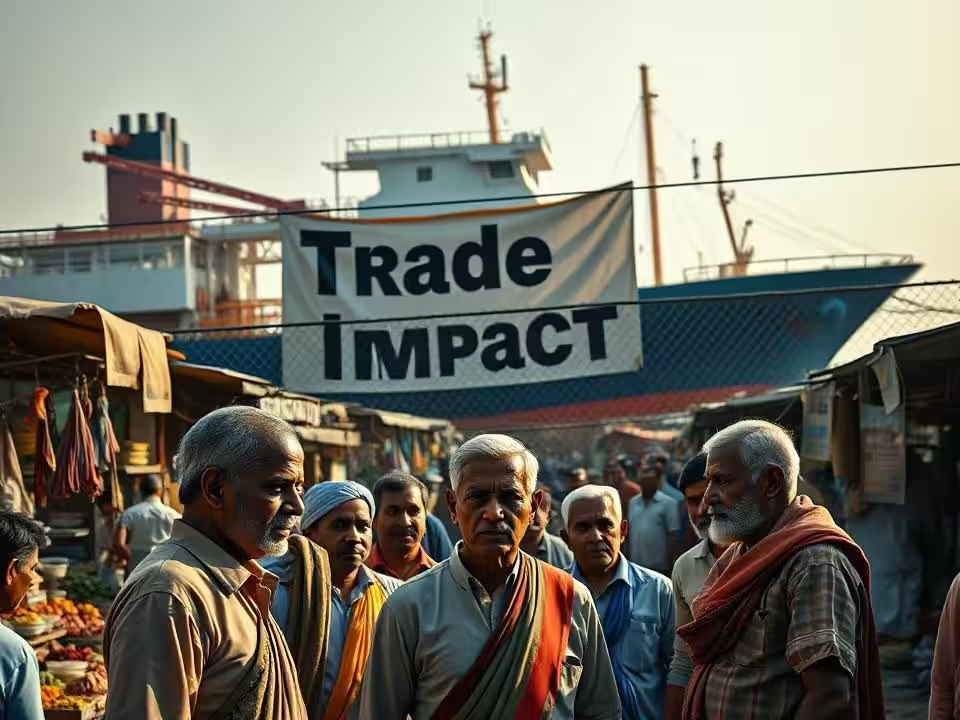
Changing trade policies present both challenges and opportunities for emerging economies. Countries offering competitive manufacturing costs, skilled labour, reliable infrastructure and favourable business environments may attract companies seeking alternative production locations.
India and several other developing economies have opportunities to strengthen their positions in global manufacturing, pharmaceuticals, textiles, electronics and engineering exports.
However, these opportunities depend on consistent trade policies, improved logistics, technological capabilities and access to international markets. Emerging economies must also remain prepared for sudden changes in tariffs, currency movements and global demand.
Strengthening domestic industries while maintaining international trade partnerships will be essential for achieving sustainable export growth.
The Worldonomics Times View
The Worldonomics Times believes that the growing use of tariffs reflects a changing global economic environment in which national security, industrial competitiveness and economic independence are becoming increasingly important.
While protecting domestic industries can be a legitimate policy objective, excessive dependence on protectionist measures may create unintended consequences. Higher import costs, supply-chain disruptions and retaliatory trade restrictions can affect businesses and consumers across multiple economies.
The future of global trade should be built on a balanced approach that encourages domestic industrial development without undermining international cooperation. Governments must prioritise transparent trade policies, constructive negotiations and stable regulatory frameworks.
Businesses, meanwhile, should focus on supply-chain diversification, technological innovation and operational efficiency to remain competitive in an increasingly uncertain trading environment.