China continues its efforts to strengthen consumer demand, revive domestic economic activity and support industrial growth amid changing global trade conditions and evolving economic challenges.
China, one of the world’s largest economies, is continuing its efforts to strengthen economic recovery by placing greater emphasis on domestic consumption, industrial development and investment. As global economic conditions remain uncertain, the country is increasingly focusing on building a stronger domestic demand base to support sustainable growth and reduce its dependence on external markets.
For decades, China’s economic expansion has been driven by manufacturing, infrastructure investment, exports and international trade. Its position as a major global manufacturing centre has helped transform the country’s industrial capabilities and strengthen its influence in international markets. However, changing consumer behaviour, property sector challenges, demographic pressures and geopolitical uncertainties have created new challenges for policymakers.
Against this backdrop, strengthening household consumption and improving industrial competitiveness have become important priorities in China’s economic strategy.
Strengthening Domestic Consumption
Domestic consumption is increasingly recognised as a key driver of China’s future economic growth. Policymakers are seeking to encourage households to spend more on consumer goods, services, automobiles, electronics, tourism and other sectors.
However, consumer confidence remains an important factor influencing spending decisions. Economic uncertainty, employment concerns and cautious household sentiment can encourage consumers to save rather than increase discretionary expenditure.
To address these challenges, government initiatives aimed at supporting consumer purchases, improving household income and encouraging spending on selected goods and services have become important policy tools.
A stronger consumption-driven economy could help China achieve a more balanced growth model. Rather than depending heavily on exports and large-scale infrastructure investment, increased domestic spending could provide a more stable foundation for economic activity.
Industrial Growth and Manufacturing Competitiveness
China’s manufacturing sector continues to play a central role in its economic development. The country has established strong industrial capabilities across electronics, automobiles, machinery, chemicals, renewable energy equipment and advanced manufacturing.
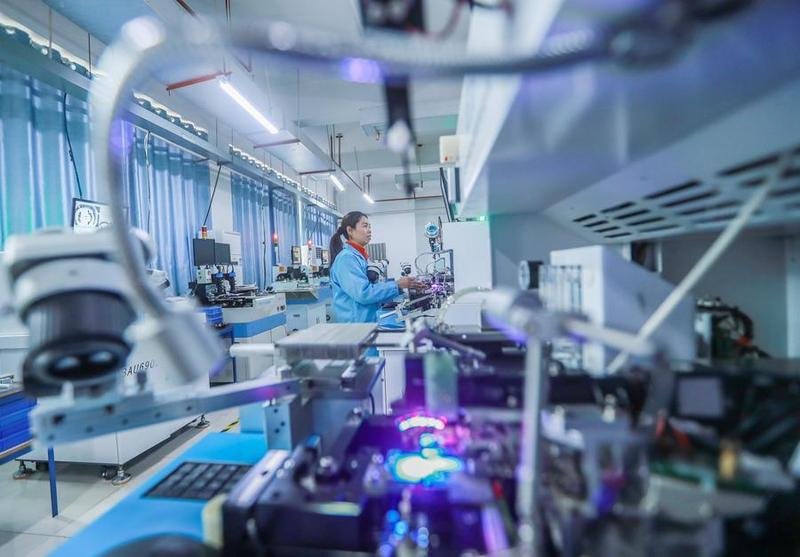
Investment in automation, artificial intelligence, robotics and digital technologies is helping industries improve productivity and operational efficiency. These developments are also supporting China’s ambitions to move towards higher-value manufacturing and strengthen its position in emerging technology sectors.
Electric vehicles, battery manufacturing, solar energy equipment and semiconductor development are among the industries receiving considerable strategic attention.
However, industrial expansion also presents challenges. Excess production capacity in certain sectors, intense price competition and weaker demand can place pressure on business profitability. Maintaining a balance between industrial output and actual market demand will therefore remain essential.
Property Sector Challenges and Economic Confidence
The property sector has historically been an important contributor to China’s economic growth, supporting construction, employment, household wealth and demand for building materials.
However, prolonged difficulties in the real estate market have affected consumer confidence and investment activity. Concerns surrounding property developers, unsold housing inventory and falling property values have created financial pressure for households and businesses.
Since property represents an important component of household wealth in China, weakness in the housing market can influence consumer spending decisions.
Addressing these challenges through appropriate financial support, housing market stabilisation and confidence-building measures remains important for broader economic recovery.
A stable property market could also support related industries, including steel, cement, construction equipment, furniture and home appliances.
Exports and Changing Global Trade Conditions
Despite increasing attention towards domestic consumption, international trade remains a major pillar of China’s economy. Chinese manufacturers continue to serve global markets through competitive production capabilities, established supply chains and large-scale industrial infrastructure.
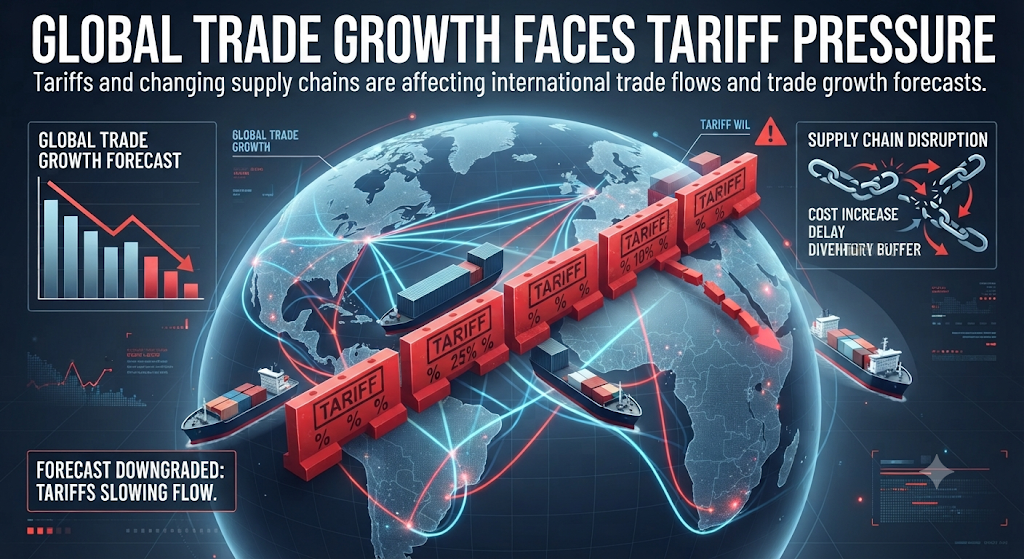
However, rising trade barriers, tariffs and geopolitical tensions are creating additional challenges for exporters. Major trading partners are increasingly reviewing their economic relationships with China, particularly in strategically important industries such as electric vehicles, semiconductors and renewable energy technologies.
In response, Chinese companies are exploring new international markets, strengthening regional trade relationships and improving their technological capabilities.
At the same time, greater emphasis on domestic demand could help reduce the vulnerability of economic growth to fluctuations in global trade.
Technology and Innovation as Growth Drivers
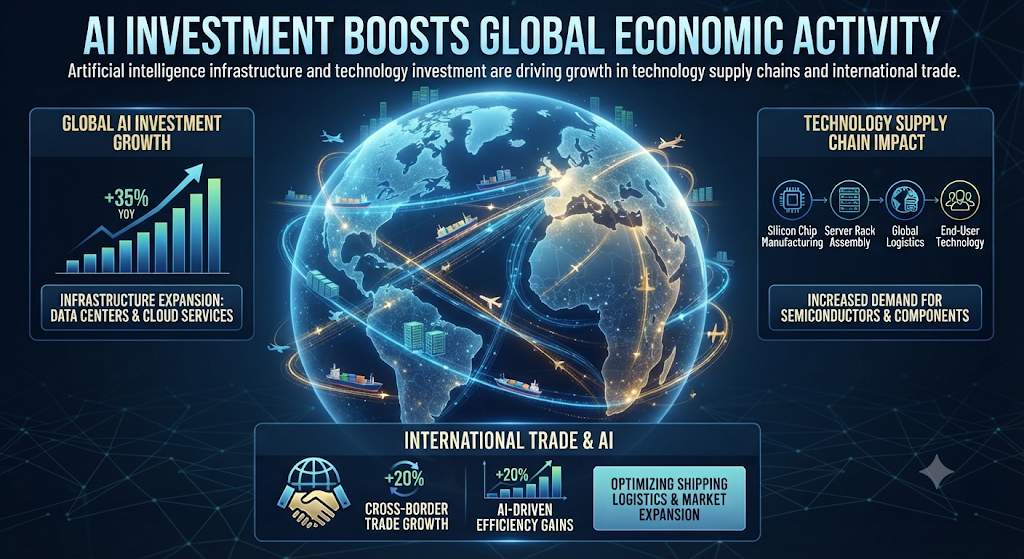
Technological advancement is becoming increasingly important to China’s long-term economic strategy. Investments in artificial intelligence, automation, electric mobility, semiconductor research and clean energy are supporting the transition towards more advanced industrial production.
Digital platforms and e-commerce continue to influence consumer behaviour, creating opportunities for businesses to reach customers more efficiently.
Innovation can also improve productivity, reduce manufacturing costs and create new employment opportunities in emerging industries. However, achieving technological self-reliance in critical sectors requires substantial research investment, skilled professionals and access to advanced technologies.
China’s ability to strengthen innovation while maintaining international economic partnerships will be an important factor in determining its future competitiveness.
The Worldonomics Times View
The Worldonomics Times believes that China’s economic recovery represents an important development for the global economy. As one of the world’s largest economic centres, China’s performance has significant implications for international trade, commodity demand, manufacturing investment and financial markets.
The increasing focus on domestic consumption is a necessary step towards building a more balanced and sustainable economic model. However, stimulating consumer confidence requires more than temporary spending incentives. Stronger household income, employment opportunities, social security and confidence in future economic conditions are equally important.
Similarly, industrial expansion must be supported by sustainable demand, technological innovation and efficient resource allocation. Excessive production capacity and dependence on exports could create additional challenges if global demand weakens or trade restrictions increase.
China’s long-term economic success will depend on its ability to balance consumption, investment, manufacturing and international trade. Structural reforms, stable financial conditions and continued innovation will be essential to achieving this objective.
China’s next phase of economic development will not be measured solely by industrial production or export performance, but by its ability to create stronger domestic demand, improve household confidence and build a more resilient economy. A successful transition towards consumption-led growth could provide fresh momentum not only for China but also for the wider global economy.