Slow Growth, Inflation and Financial Uncertainty Keep Recession Concerns in Focus
The global economy continues to navigate a complex economic environment as slowing growth, persistent inflationary pressures, geopolitical uncertainty and financial market volatility raise concerns about the possibility of a global recession. Governments, central banks, investors and businesses are closely monitoring economic indicators to assess the direction of international markets and identify potential risks to future growth.
Although the global economy has demonstrated resilience in the face of several economic disruptions, underlying challenges remain significant. High borrowing costs, changing consumer demand, international trade uncertainties and rising public debt are influencing business confidence and investment decisions. These developments have increased attention on the possibility of weaker economic activity across major economies.
A global recession does not necessarily emerge from a single economic event. It often develops through a combination of declining consumption, reduced business investment, weaker industrial production, financial stress and falling international trade. Understanding these interconnected factors is essential for policymakers and investors seeking to protect economic stability.
Slowing Economic Growth Raises Concerns
Economic growth is one of the most important indicators of global financial health. When major economies experience slower expansion, the effects can spread across international markets through trade, investment and financial connections.
Several factors can contribute to weakening economic momentum, including reduced consumer spending, declining industrial activity, lower business confidence and uncertainty surrounding future economic conditions.
Advanced economies are particularly important to global growth because of their influence on international trade, financial markets and investment flows. If economic activity weakens in major markets such as the United States, China and European economies, developing countries may also experience reduced export demand and capital investment.
Manufacturing, construction, retail and transportation are among the sectors that can experience pressure when economic growth slows. Businesses may respond by postponing expansion plans, reducing operating costs and adopting more cautious financial strategies.
Inflation Continues to Challenge Economic Stability
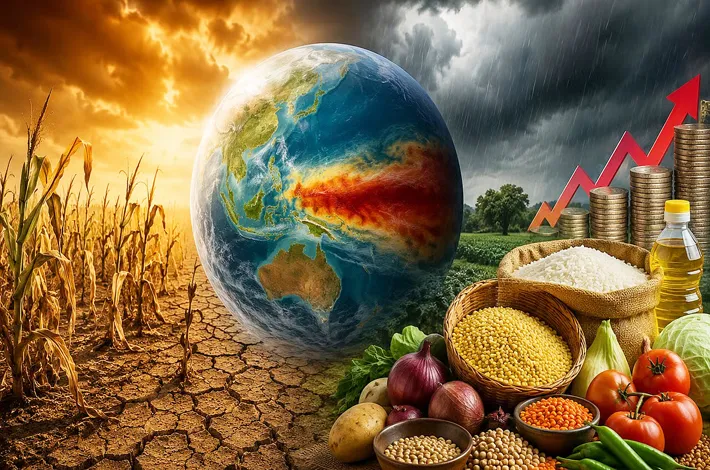
Inflation remains an important consideration for global economic policymakers. Although inflation rates may moderate from previous peaks, persistent increases in the prices of essential goods and services can continue to affect household purchasing power.
Food, energy, housing, healthcare and transportation costs influence consumer spending patterns. When households spend more on necessities, they may reduce discretionary purchases, affecting demand across several industries.
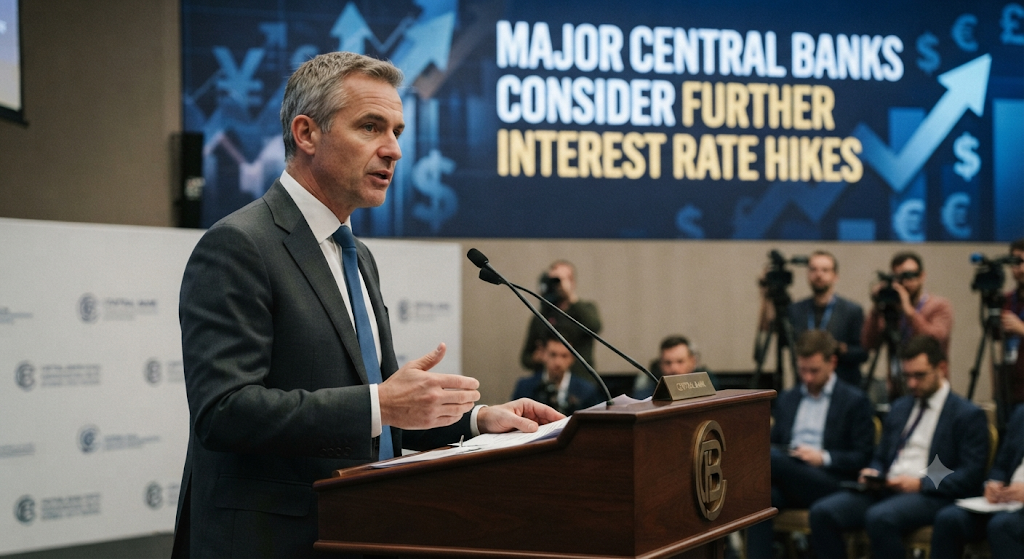
Central banks face a difficult balancing act between controlling inflation and supporting economic growth. Maintaining higher interest rates can help moderate price pressures, but it also increases borrowing costs for households, businesses and governments.
On the other hand, reducing interest rates too quickly may create renewed inflationary pressures if demand increases faster than the economy’s productive capacity.
Consequently, monetary policy decisions remain a major influence on international market sentiment and recession expectations.
Financial Markets Respond to Economic Uncertainty
International financial markets are highly sensitive to changes in economic expectations. Investors continuously evaluate interest rate decisions, inflation reports, employment figures, corporate earnings and government policy announcements.
During periods of uncertainty, investors may reduce exposure to riskier assets and increase their preference for investments perceived as more stable.
Stock markets can experience increased volatility when companies report weaker earnings or provide cautious business outlooks. Bond markets may also respond to changing expectations surrounding monetary policy, government borrowing and future inflation.
Currency markets are influenced by differences in economic performance and interest rate expectations between countries.
Financial uncertainty can also affect access to credit. If lenders become more cautious, businesses and households may find it difficult or expensive to obtain financing, potentially reducing investment and consumption.
Geopolitical Tensions and International Trade Risks
Geopolitical developments have become another important source of uncertainty for the global economy. International conflicts, trade restrictions, economic sanctions and changing diplomatic relationships can disrupt supply chains and increase business costs.
Global businesses depend on interconnected networks for raw materials, energy, manufacturing components and transportation. Any significant disruption can affect production schedules, commodity prices and international trade flows.
Trade tensions between major economies may also discourage investment and create uncertainty for exporters and manufacturers.
Higher energy prices can increase transportation and production expenses, while disruptions in essential commodity supplies can contribute to inflationary pressures.
These risks highlight the importance of diversified supply chains, international cooperation and stable trade policies.
Impact on Emerging Economies and India
Emerging economies can face additional challenges during periods of global economic slowdown because of their dependence on international trade, foreign investment and external financing.
Weaker demand in advanced economies may reduce export opportunities, while financial market volatility can influence capital flows and currency valuations.
India, however, has several domestic economic strengths that can support its resilience. A large consumer market, expanding infrastructure investment, a growing services sector and continued domestic demand provide important foundations for economic activity.
Manufacturing expansion, digital transformation, infrastructure development and entrepreneurship are also creating opportunities for long-term growth.
Nevertheless, India is not completely insulated from global economic risks. Higher crude oil prices, international financial volatility, weaker export demand and changing foreign investment patterns can influence domestic economic conditions.
Maintaining macroeconomic stability, encouraging private investment and strengthening domestic manufacturing will therefore remain important priorities.
Businesses Prepare for a Changing Economic Environment
Companies across industries are increasingly focusing on financial resilience as economic uncertainty influences market conditions.
Businesses are reviewing operating expenses, strengthening cash flow management and evaluating investment priorities. Some organisations may delay large expansion projects until demand conditions become clearer.
At the same time, companies are exploring automation, digital transformation and supply chain diversification to improve operational efficiency.
Small and medium-sized enterprises may face greater challenges because of limited financial resources and comparatively restricted access to affordable credit.
Maintaining adequate liquidity, managing debt responsibly and developing flexible business strategies can help organisations navigate periods of slower economic growth.
The Road Ahead: Preparing for Economic Uncertainty
The future direction of the global economy will depend on several interconnected factors, including inflation trends, central bank policies, employment conditions, international trade and geopolitical developments.
Governments and financial institutions must remain prepared to respond to changing economic conditions without creating additional financial instability.
Fiscal discipline, responsible monetary policy, infrastructure investment and policies that encourage productivity can support long-term economic resilience.
Investors should also monitor economic fundamentals rather than reacting solely to short-term market fluctuations.
Importantly, a slowdown does not automatically indicate an approaching recession. Economic growth can moderate without turning negative, and different countries may experience significantly different economic conditions.
The ability of governments and businesses to respond effectively to emerging risks will play a major role in determining the strength of the global economic outlook.
The Worldonomics Times View
The Worldonomics Times believes that global recession concerns reflect the growing complexity of the international economic environment. Slowing growth, inflationary pressures, elevated borrowing costs and geopolitical uncertainty are creating challenges that require careful policy coordination and responsible financial management.
However, economic uncertainty should not automatically be interpreted as an indication of an inevitable global recession. The international economy continues to benefit from technological innovation, expanding digital services, infrastructure development and emerging investment opportunities.
Governments must focus on maintaining financial stability while supporting productive economic activity. Central banks should pursue balanced monetary policies that address inflation without unnecessarily restricting business investment and employment generation.
For India and other emerging economies, strengthening domestic demand, improving manufacturing competitiveness, expanding infrastructure and maintaining investor confidence will be essential for navigating international economic uncertainty.
Businesses must also adopt forward-looking strategies, maintain financial discipline and invest in technologies that improve productivity and operational efficiency.
The coming years will test the resilience of governments, financial institutions and corporate organisations. Countries that maintain strong economic fundamentals, credible institutions and diversified growth opportunities will be better positioned to withstand global financial disruptions.
Ultimately, sustainable economic growth requires preparation rather than reaction. The priority for the global economy should be to manage emerging risks, strengthen financial resilience and create an environment in which investment, innovation and employment can continue to advance despite international uncertainty.