European Economy Faces Challenges From Energy Costs and Supply Disruptions
Geopolitical uncertainty and higher energy prices continue to affect European economic stability.
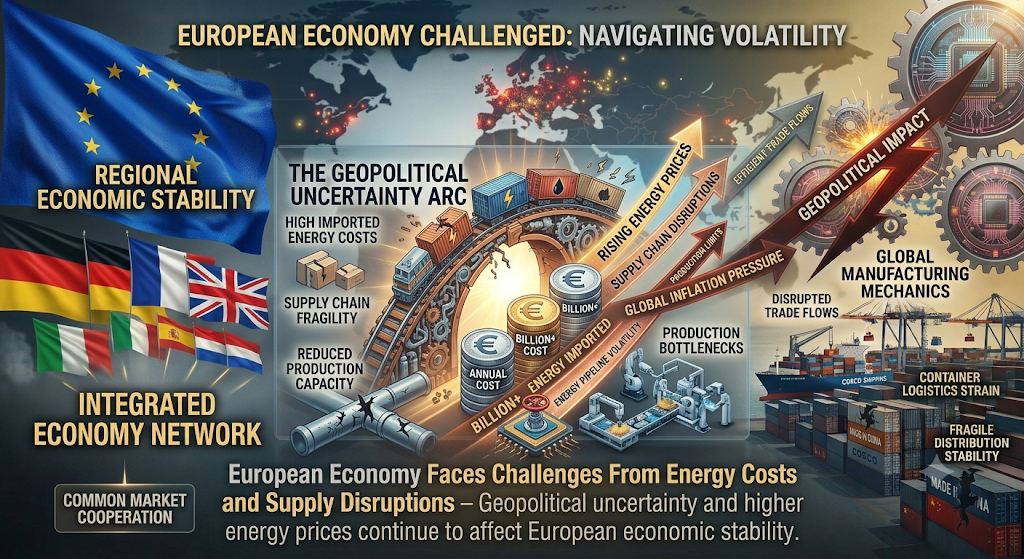
Europe’s economic recovery is facing renewed challenges as rising energy prices, geopolitical tensions and disruptions to international supply chains place pressure on businesses and consumers. Although several European economies have demonstrated resilience, the combination of higher production costs, uncertain trade conditions and inflationary pressures is creating a difficult environment for policymakers.
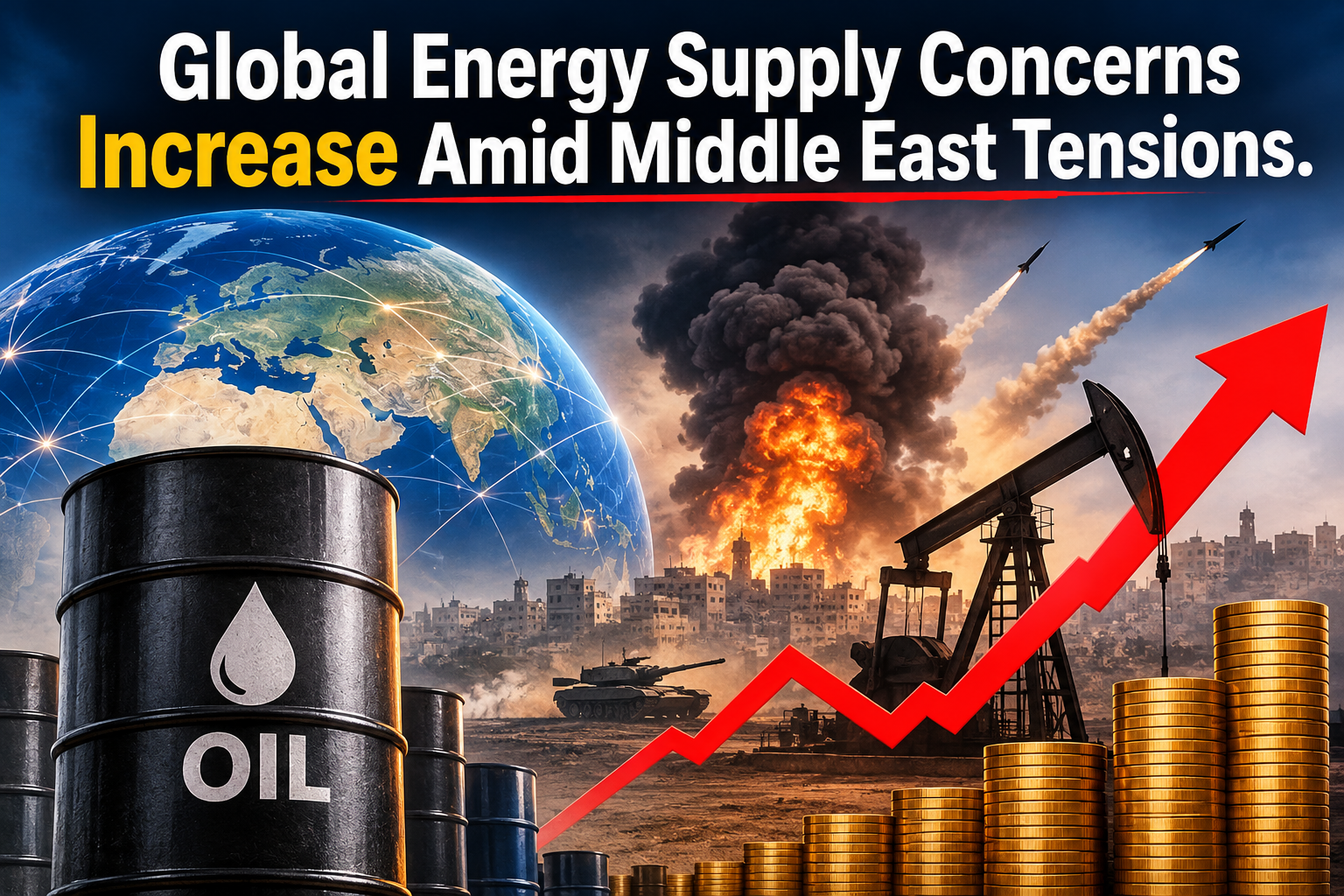
The ongoing conflict in the Middle East has become a major source of uncertainty for European energy markets. Disruptions to important shipping routes, particularly the Strait of Hormuz, have affected the movement of oil and gas supplies, contributing to higher energy prices. For a region that depends significantly on imported energy, these developments have important consequences for industrial competitiveness, household spending and economic growth.
Rising Energy Costs Put Pressure on Businesses
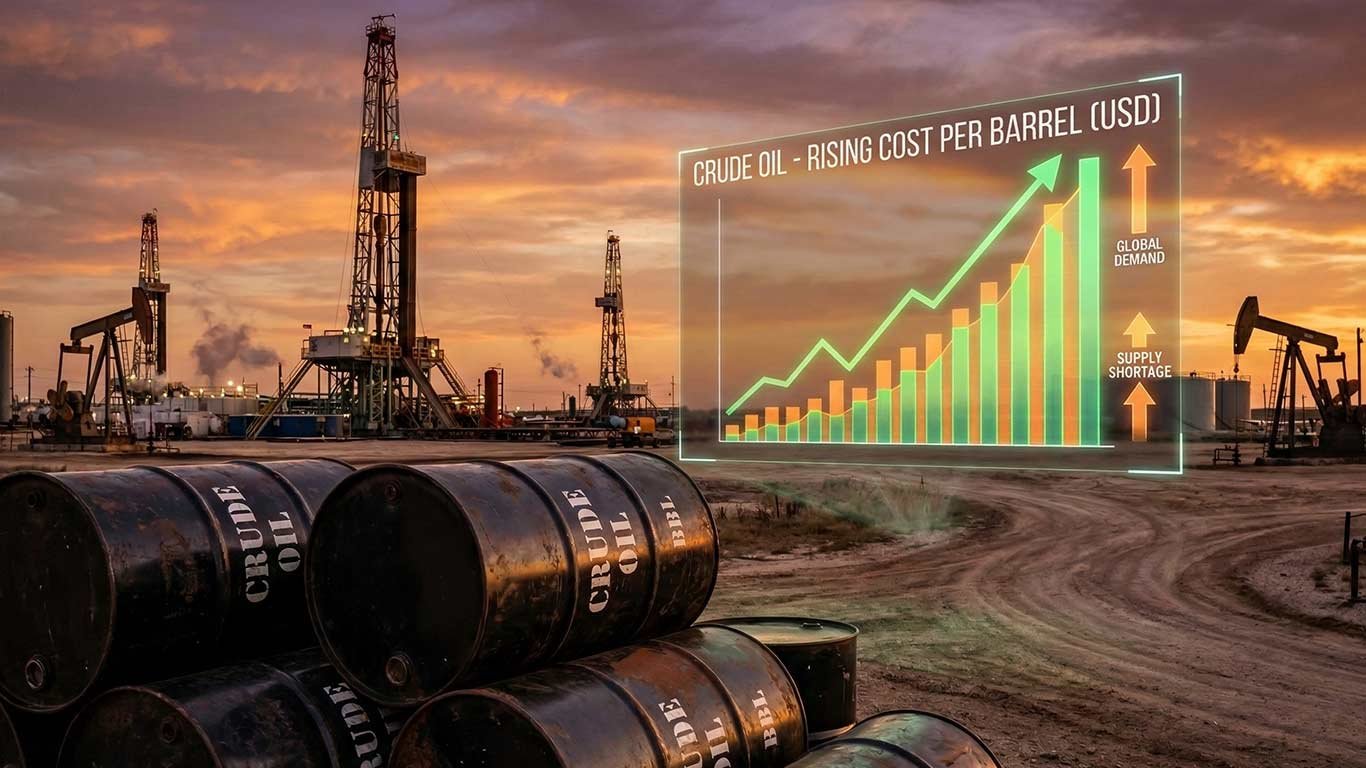
Energy prices remain one of the biggest challenges for European industries. Manufacturing, chemicals, transportation, steel production and other energy-intensive sectors require stable and affordable energy supplies to remain competitive.
Higher electricity and natural gas prices increase operating expenses, reducing profit margins and making production more expensive. Businesses may respond by raising product prices, reducing output, postponing investments or reconsidering expansion plans.
The European chemicals industry is particularly exposed to these pressures. Higher energy and raw-material costs, combined with relatively weak demand, have placed significant pressure on manufacturers. According to a Reuters report published on November 5, energy-intensive industries are among the first to experience the impact of rising European energy prices.
Households are also affected. Higher energy bills reduce disposable income, leaving consumers with less money for other goods and services. This can weaken retail spending and limit the contribution of domestic consumption to economic growth.
Geopolitical Tensions Disrupt Supply Chains
Geopolitical uncertainty has increased the vulnerability of European supply chains. Conflicts, shipping disruptions and changes in international trade policies can delay deliveries, increase transportation costs and create shortages of essential industrial inputs.
Europe’s manufacturing sector depends on international suppliers for energy, raw materials, electronic components and industrial equipment. Disruptions in one region can therefore affect production across several countries and industries.
The Middle East remains particularly important because of its role in global energy transportation. Any prolonged disruption to shipping through the Strait of Hormuz could increase the cost of oil and liquefied natural gas, creating additional pressure on European importers.
The European Stability Mechanism has warned that prolonged geopolitical tensions and renewed energy supply disruptions could weaken business confidence, reduce investment and tighten financial conditions across the euro area.
Inflation Creates Challenges for the European Central Bank
Higher energy and transportation costs are contributing to renewed inflation concerns across Europe. Although inflation had previously shown signs of moderating, rising fuel, electricity and food prices are creating fresh pressure on consumer prices.
Reuters reported on November 12 that euro area inflation reached 4.0% in October 2026, its highest level in three years, with energy inflation increasing by 20%. The development has intensified concerns among European businesses about the future cost of production and the possibility of further price increases.
The European Central Bank faces a difficult policy decision. Raising interest rates could help prevent higher energy prices from spreading into broader inflation, but tighter monetary conditions could also weaken borrowing, investment and consumer demand.
On October 29, the ECB kept interest rates unchanged while warning that rising energy prices posed upside risks to inflation and downside risks to economic growth. This highlights the challenge of controlling inflation without putting additional pressure on an already uncertain economic recovery.
Manufacturing Shows Resilience but Costs Are Increasing
Despite these challenges, parts of Europe’s manufacturing sector continue to demonstrate resilience. Industrial activity has benefited from existing demand, improved production capabilities and investment in technology and infrastructure.
According to the Reuters report on November 2, the eurozone manufacturing Purchasing Managers’ Index stood at 52.7 in October, compared with 52.9 in September. A reading above 50 indicates expansion, suggesting that manufacturing activity continued to grow.
However, the same survey highlighted increasing input costs and supply-chain pressures. This suggests that industrial expansion is taking place alongside growing financial challenges for manufacturers. Conditions also differ across countries, with Germany recording manufacturing growth while France experienced a decline in activity.
Different European Economies Face Different Risks
The impact of higher energy costs and supply disruptions varies across European countries.
Germany, with its large industrial base, remains particularly sensitive to changes in energy prices and international demand. France faces additional concerns related to domestic economic and fiscal uncertainty. Italy and Spain must also manage the effects of higher imported energy costs, although their industrial structures and energy mixes create different levels of exposure.
The United Kingdom faces similar pressures through energy prices, inflation and manufacturing costs, even though it operates outside the European Union.
For emerging European economies, higher import bills and currency volatility can create additional financial challenges. Countries with limited fiscal flexibility may find it difficult to provide extensive support to households and businesses.
The Road Ahead for Europe’s Economic Stability
The future direction of Europe’s economy will depend heavily on energy market developments, geopolitical conditions and the ability of businesses to adapt to changing supply chains.
Greater diversification of energy sources, investment in renewable energy, improved electricity infrastructure and stronger regional supply networks could help reduce Europe’s exposure to external disruptions.
However, these changes require substantial investment and time. In the short term, businesses will need to manage costs carefully, improve operational efficiency and prepare for continued uncertainty in global markets.
The Worldonomics Times Views
Europe’s economic stability is being tested by the combined impact of higher energy prices, geopolitical uncertainty and supply-chain disruptions. While the region’s manufacturing sector continues to show resilience, rising costs and renewed inflationary pressure could limit the strength of its economic recovery.
European policymakers must focus on strengthening energy security, diversifying international supply relationships and supporting industries without creating additional inflationary pressure. Long-term investment in renewable energy, modern infrastructure and advanced manufacturing will be essential to improving economic competitiveness.
For businesses and investors, flexibility and careful financial planning will remain important as market conditions evolve. Europe’s ability to reduce its dependence on vulnerable energy supply routes while maintaining industrial growth will play a major role in determining its economic outlook.
The coming months will therefore be crucial. A more stable geopolitical environment and improved energy supply conditions could support recovery, while prolonged disruptions may increase costs and weaken economic confidence across the region.