Geopolitical Conflicts, Trade Tensions, Inflation and Fiscal Risks Challenge Global Economic Stability
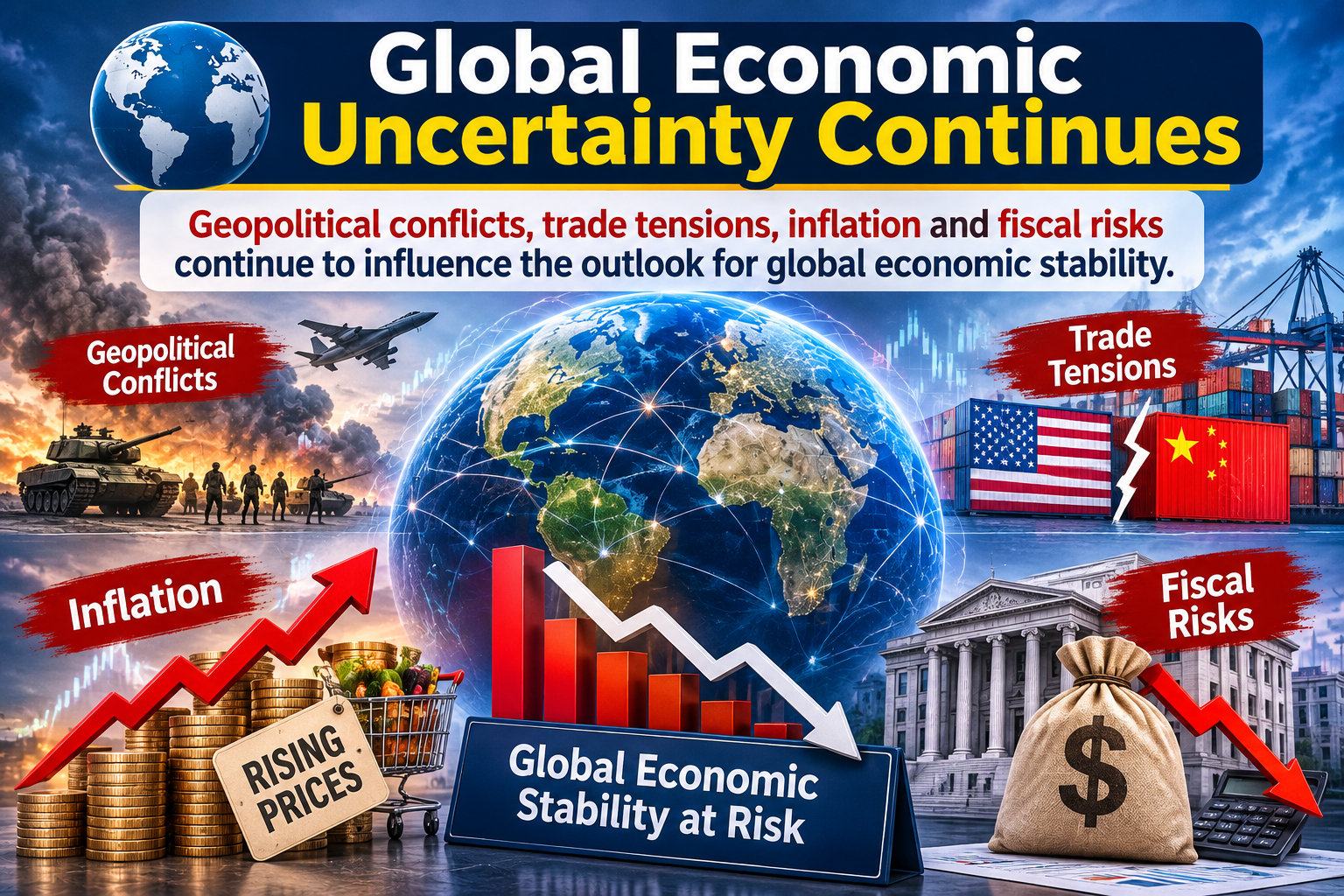
The global economy continues to face a complex environment of uncertainty as geopolitical conflicts, international trade tensions, persistent inflation, and growing government debt reshape the outlook for economic stability. Governments, businesses, financial institutions, and investors are navigating an increasingly unpredictable international landscape in which political developments and economic decisions are closely interconnected.
While several economies have demonstrated resilience in the face of recent challenges, concerns about slower growth, rising borrowing costs, supply-chain disruptions, and financial market volatility remain significant. The combination of these factors is creating difficulties for policymakers attempting to maintain economic growth while protecting financial stability.
In an interconnected global economy, developments in one region can quickly influence international trade, commodity prices, investment flows, and consumer confidence elsewhere. Consequently, managing uncertainty has become a major priority for governments and businesses worldwide.
Geopolitical Conflicts Create Economic Disruptions
Geopolitical conflicts remain among the most important sources of global economic uncertainty. Regional wars, political instability, international sanctions, and diplomatic tensions can disrupt trade routes, energy supplies, and essential commodity markets.
Energy markets are particularly sensitive to geopolitical developments. Conflicts involving major oil-producing regions or strategically important transportation routes can create uncertainty around global supply, resulting in fluctuations in crude oil and natural gas prices.
Higher energy costs can increase transportation, manufacturing, electricity, and agricultural expenses. These developments may eventually contribute to inflation and place additional pressure on households and businesses.
Geopolitical uncertainty can also influence investor confidence. When international tensions increase, investors may reduce exposure to riskier assets and shift capital towards investments considered relatively safer.
This movement can create volatility in stock markets, currencies, commodities, and international bond markets.
Trade Tensions Challenge International Commerce
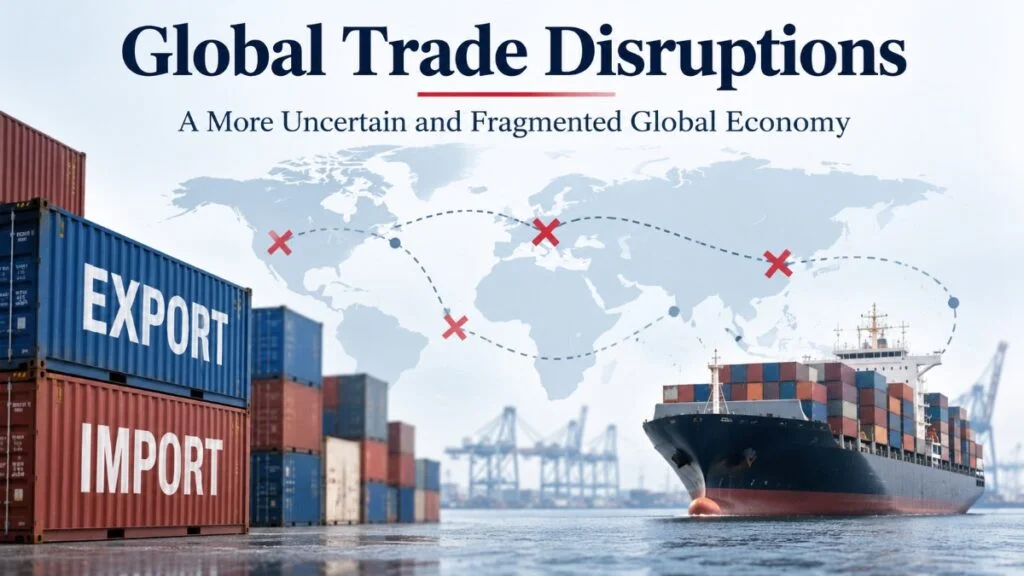
International trade tensions are another major concern for the global economic outlook. Increasing tariffs, protectionist policies, export restrictions, and disagreements over trade agreements are creating additional uncertainty for businesses operating across international markets.
Global supply chains have become highly interconnected, with manufacturers frequently depending on raw materials, components, and production facilities located across multiple countries.
When trade restrictions are introduced, businesses may face higher import costs, delays in deliveries, and difficulties accessing essential materials.
Industries such as automobiles, electronics, pharmaceuticals, agriculture, and advanced manufacturing are particularly exposed to disruptions in international trade.
Companies may respond by diversifying suppliers, relocating production facilities, or increasing domestic sourcing. Although these strategies can improve supply-chain resilience, they may also increase operating expenses in the short term.
For developing economies that depend heavily on exports, international trade uncertainty can affect industrial production, employment opportunities, and foreign-exchange earnings.
Inflation Remains a Persistent Economic Risk
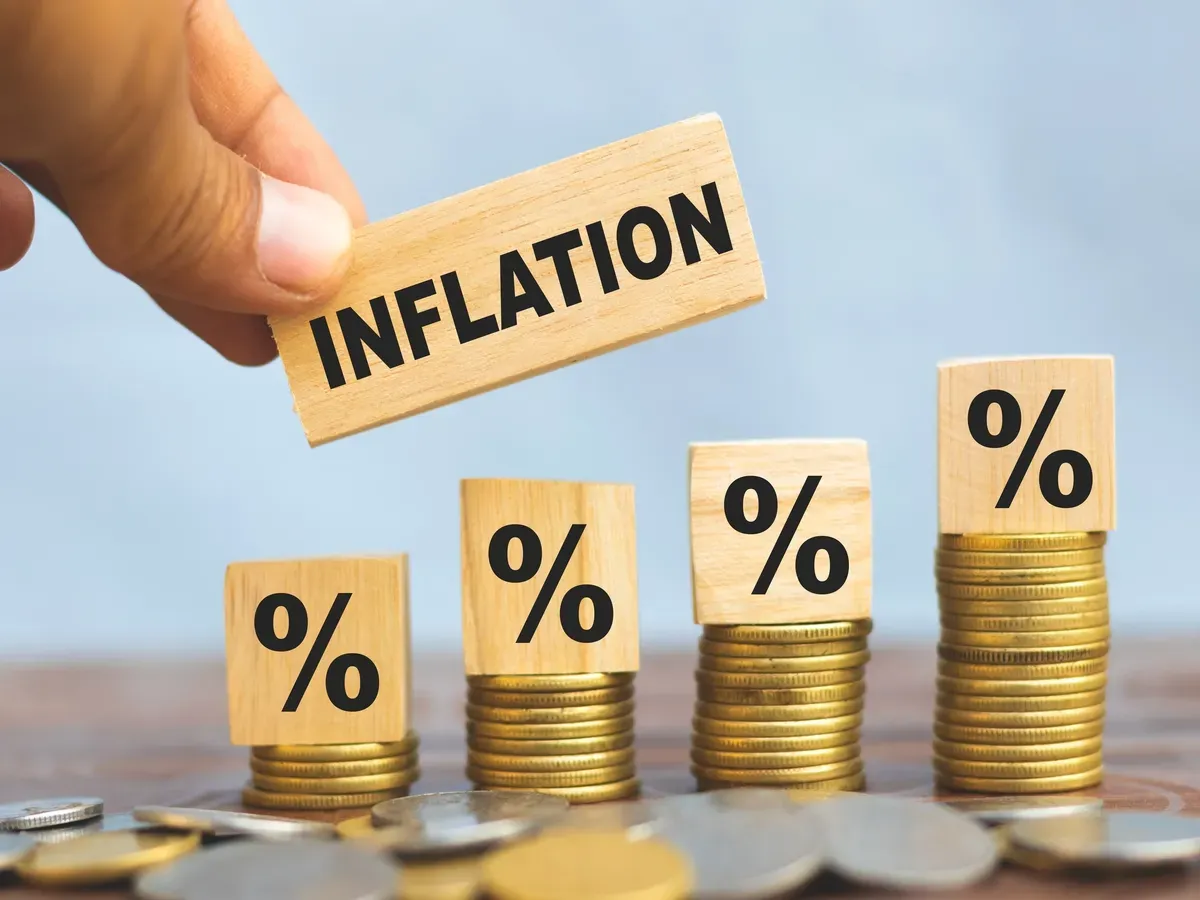
Inflation continues to influence economic decision-making across major economies. Although price pressures have moderated in some regions, rising energy costs, transportation expenses, wage growth, and supply-chain disruptions can create renewed inflationary risks.
Higher inflation reduces the purchasing power of consumers and increases operating expenses for businesses.
When essential goods and services become more expensive, households may reduce discretionary spending, affecting industries such as retail, hospitality, entertainment, and consumer goods.
Central banks face difficult decisions when inflation remains persistent. Maintaining higher interest rates may help control price pressures, but it can also increase borrowing costs and slow economic activity.
On the other hand, reducing interest rates too quickly may risk allowing inflation to become entrenched.
Institutions such as the US Federal Reserve, European Central Bank, and Bank of England must therefore carefully balance price stability with employment, investment, and economic growth.
Rising Government Debt Adds to Fiscal Risks
Growing government debt is another important factor influencing global financial stability. Many countries have increased public borrowing to finance infrastructure, social programmes, defence expenditure, and economic support measures.
However, higher interest rates have made government debt more expensive to service.
As interest payments consume a larger share of public budgets, governments may have less financial flexibility to support economic development, improve infrastructure, and respond to future emergencies.
Fiscal pressures can also influence investor confidence. Countries with large budget deficits and weak debt-management strategies may face higher borrowing costs as investors demand additional returns to compensate for perceived risks.
The challenge is particularly significant for developing economies, where limited fiscal resources and foreign-currency borrowing can increase vulnerability to external financial shocks.
Responsible public spending, efficient taxation, and sustainable debt-management policies will be essential for maintaining long-term economic stability.
Financial Markets Respond to Global Uncertainty
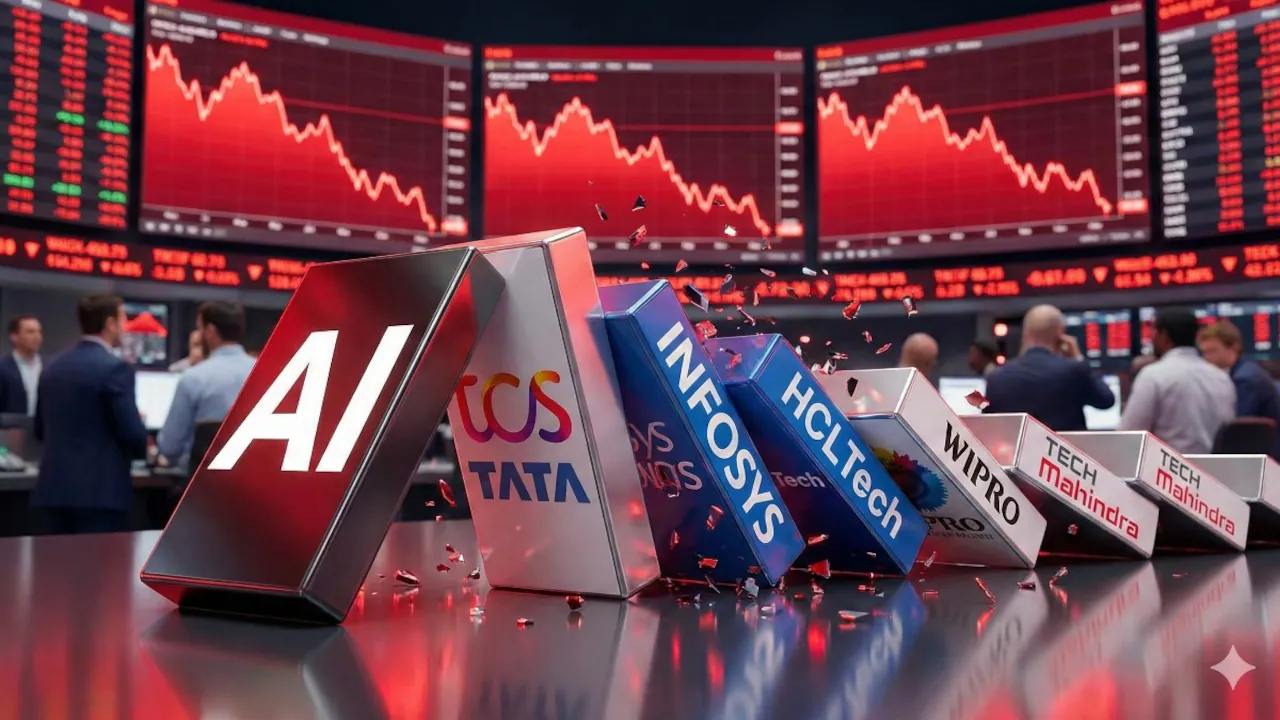
Global financial markets remain sensitive to developments in geopolitics, inflation, trade policies, and fiscal conditions.
Equity markets can experience sharp movements as investors reassess corporate earnings, economic growth expectations, and interest-rate forecasts.
Currency markets may also become volatile as international capital moves between developed and emerging economies.
Meanwhile, government bond yields can fluctuate depending on inflation expectations, public borrowing requirements, and central-bank policy decisions.
Commodity markets are equally exposed to international uncertainty. Oil, natural gas, gold, agricultural products, and industrial metals can experience price movements in response to supply disruptions and changing expectations about global demand.
For investors, this environment highlights the importance of portfolio diversification, careful risk assessment, and a long-term investment perspective.
Emerging Economies Face Greater Vulnerability
Emerging markets often experience a disproportionate impact from global economic uncertainty because of their dependence on international trade, imported energy, and foreign investment.
Currency depreciation can make imports more expensive, while capital outflows can increase pressure on domestic financial systems.
Countries with significant external debt obligations may also face difficulties when international interest rates remain elevated.
However, emerging economies with diversified production, strong foreign-exchange reserves, responsible fiscal policies, and stable financial institutions may be better positioned to withstand external shocks.
Strengthening domestic industries, improving infrastructure, and expanding regional trade partnerships can help reduce dependence on uncertain international economic conditions.
What Lies Ahead for the Global Economy?
The future direction of the global economy will depend on several interconnected developments.
The easing of geopolitical tensions, improved international trade cooperation, stable energy supplies, and effective inflation management could support stronger economic confidence.
However, prolonged conflicts, additional trade restrictions, persistent inflation, and unsustainable government borrowing could create further financial pressure.
Governments will need to prioritise economic resilience through structural reforms, responsible fiscal management, investment in technology, and stronger international cooperation.
Businesses must also become more adaptable by diversifying supply chains, managing financial risks, and investing in operational efficiency.
The Worldonomics Times View
The Worldonomics Times believes that global economic uncertainty has become a defining feature of the modern international economic system. The interaction between geopolitical conflicts, trade tensions, inflation, and fiscal risks demonstrates how closely connected political stability and economic performance have become.
No country can completely isolate itself from international developments. Even economies with strong domestic markets remain exposed to fluctuations in global energy prices, international financial conditions, and changes in trade relationships.
Governments must therefore move beyond short-term crisis management and focus on building stronger economic foundations. Responsible fiscal policies, stable monetary frameworks, diversified trade relationships, and investment in domestic productive capacity should remain central priorities.
International cooperation is equally important. Countries must recognise that protectionist policies and prolonged geopolitical confrontations can create economic consequences that extend far beyond their immediate borders.
For businesses and investors, uncertainty demands greater discipline, strategic planning, and the ability to adapt to changing economic conditions.
Ultimately, global economic stability cannot be achieved through isolated national policies alone. It requires cooperation, responsible leadership, financial resilience, and a shared commitment to sustainable development.
The message is clear: in an increasingly interconnected world, economic resilience is no longer optional; it is essential for protecting growth, investment, and long-term global prosperity.