International Shipping Companies Prepare for Stricter Emissions Rules, Rising Compliance Costs and a Transition Towards Sustainable Maritime Operations
The global shipping industry is entering a significant period of transformation as governments and international regulatory organisations intensify efforts to reduce greenhouse gas emissions from maritime transportation. International shipping plays a crucial role in global trade, carrying the majority of goods exchanged between countries. However, its dependence on conventional marine fuels has made it an important contributor to global carbon emissions.
As climate change becomes a central concern for policymakers and businesses, shipping companies are facing increasing pressure to adopt cleaner technologies, improve fuel efficiency, and comply with evolving environmental regulations. These changes are creating new operational challenges for shipowners, shipping operators, port authorities, and international logistics companies.
The transition towards sustainable maritime transportation is no longer simply an environmental responsibility. It is becoming an important financial and competitive consideration for the global shipping industry.
Growing Pressure to Reduce Maritime Emissions
International shipping is responsible for transporting essential commodities, manufactured products, energy resources, agricultural goods, and industrial materials across global markets. Despite its importance, the industry has historically relied on heavy fuel oil and other fossil-based marine fuels.
The International Maritime Organization (IMO) has introduced increasingly ambitious environmental targets to reduce greenhouse gas emissions from international shipping.
Its 2023 revised greenhouse gas strategy aims to achieve net-zero greenhouse gas emissions from international shipping by or around 2050. It also establishes indicative checkpoints for reducing total annual emissions by at least 20%, striving for 30%, by 2030, and at least 70%, striving for 80%, by 2040, compared with 2008 levels.
These targets are encouraging shipping companies to reconsider traditional operating models and accelerate investments in cleaner maritime technologies.
However, achieving these objectives will require significant financial resources, technological development, and international coordination.
Evolving Climate Regulations Increase Compliance Responsibilities
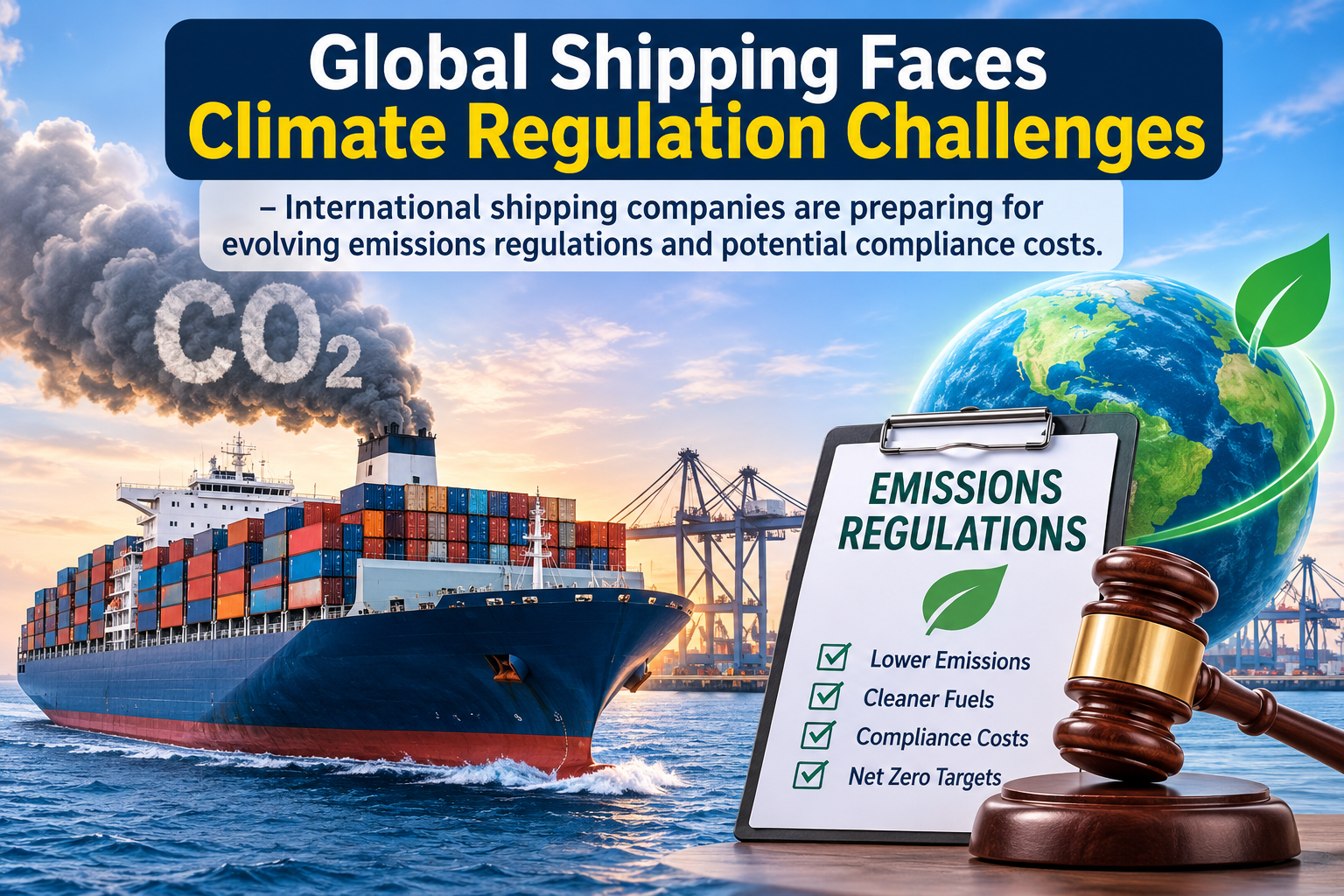
Shipping companies are preparing for a more demanding regulatory environment as international and regional authorities introduce measures to control maritime emissions.
The IMO’s existing Energy Efficiency Existing Ship Index (EEXI) and Carbon Intensity Indicator (CII) requirements are already influencing operational decisions. These measures encourage vessels to improve technical energy efficiency and reduce their carbon intensity.
In addition, the European Union has expanded its climate regulations to include maritime transportation.
The EU Emissions Trading System (EU ETS) began covering large ships calling at EU ports in 2024, with its phase-in progressing towards full coverage of relevant reported emissions in 2026. The EU’s FuelEU Maritime regulation, which started applying in 2025, also requires reductions in the greenhouse gas intensity of energy used onboard covered ships.
These regulations mean that shipping operators must increasingly monitor fuel consumption, report emissions accurately, and account for environmental compliance when planning international routes.
Companies operating across multiple jurisdictions may also face different reporting requirements and regulatory obligations, increasing the complexity of maritime operations.
Rising Compliance Costs Put Pressure on Shipping Companies
One of the biggest concerns for the shipping industry is the financial impact of environmental regulations.
Meeting new emissions standards may require shipping companies to invest in vessel modifications, energy-efficient equipment, alternative fuel systems, emissions monitoring technologies, and improved operational infrastructure.
The cost of compliance can be particularly challenging for smaller shipping operators that have limited financial resources compared with major international shipping groups.
Under emissions trading mechanisms, companies may also face additional expenses associated with purchasing or surrendering carbon allowances.
These costs can influence freight rates, shipping contracts, and international transportation expenses. Depending on market conditions and contractual arrangements, some of the additional financial burden may eventually be passed on to cargo owners and consumers.
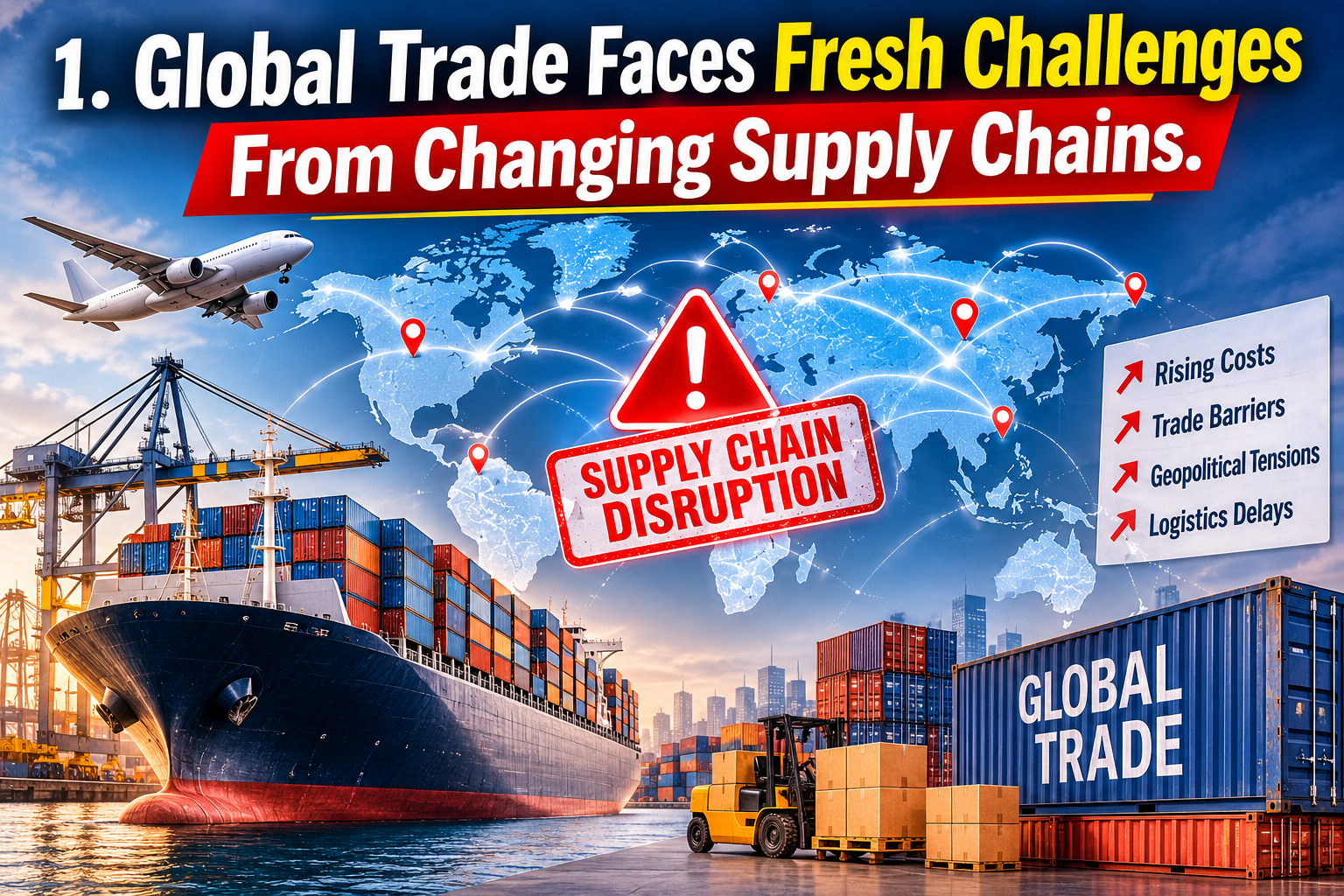
Consequently, climate regulation could have wider implications for global supply chains and international trade costs.
Alternative Fuels Become a Strategic Priority
The transition towards cleaner marine fuels is becoming one of the industry’s most important priorities.
Shipping companies are exploring several alternatives to conventional fossil fuels, including:
- Green methanol: An emerging alternative that can reduce lifecycle emissions when produced using renewable energy and sustainable feedstocks.
- Green ammonia: A potential zero-carbon fuel at the point of use, although significant safety, infrastructure, and production challenges remain.
- Biofuels: Renewable fuel options that may help reduce lifecycle emissions, depending on their production methods and sustainability.
- Green hydrogen: A potential energy source for future maritime applications, particularly where storage and onboard technology become commercially viable.
- Liquefied natural gas (LNG): An alternative to conventional marine fuels that can reduce certain air pollutants, although methane leakage and lifecycle greenhouse gas emissions remain important concerns.
No single alternative currently provides a complete solution for every vessel type and shipping route.
The industry will therefore likely require a combination of technologies, cleaner fuels, improved vessel designs, and operational efficiency measures.
Ports and Global Supply Chains Must Adapt
The transition towards sustainable shipping also requires substantial investment in port infrastructure.
Ports will need to develop facilities for alternative fuel storage, safe bunkering operations, electricity supply, and emissions monitoring.
Major international shipping hubs are increasingly recognising that environmental readiness could become an important factor in attracting shipping companies and international cargo operators.
The development of green shipping corridors, where vessels operate between ports equipped with cleaner fuel infrastructure, may also accelerate the adoption of sustainable maritime technologies.
However, infrastructure investment remains uneven across regions. Developing economies may face greater difficulties in financing the necessary facilities, potentially creating differences in the speed of maritime decarbonisation.
Impact on International Trade and Developing Economies
Higher shipping costs and regulatory complexity could influence international trade, particularly for countries heavily dependent on maritime imports and exports.
Developing economies may face additional challenges because their shipping industries and port infrastructure often operate with limited financial resources.
Export-oriented industries could experience higher logistics expenses, while import-dependent countries may face increased transportation costs for essential commodities, energy products, and manufactured goods.
At the same time, countries investing early in green maritime infrastructure could create new opportunities in alternative fuel production, shipbuilding, maritime technology, and sustainable logistics.
The transition therefore presents both economic risks and opportunities for international trade.
The Road Ahead: Balancing Sustainability and Commercial Viability
The future of global shipping will depend on how effectively companies balance environmental responsibilities with commercial requirements.
Shipowners will need to develop long-term fleet modernisation strategies, evaluate alternative fuels, improve energy efficiency, and prepare for changing regulatory frameworks.
Governments and international organisations must also ensure that climate policies remain practical, predictable, and internationally coordinated.
Financial support, technological cooperation, and investment in developing-country port infrastructure will be essential to achieving a more inclusive maritime transition.
The Worldonomics Times View
The Worldonomics Times believes that the transformation of the global shipping industry represents one of the most important developments in the future of international trade.
Climate regulations are no longer distant policy considerations. They are increasingly influencing investment decisions, vessel operations, shipping costs, and international competitiveness.
Although stricter emissions standards may increase short-term financial pressure on shipping companies, delaying the transition could create greater long-term risks through outdated fleets, inefficient operations, and reduced regulatory competitiveness.
The industry must adopt a balanced strategy that combines technological innovation, cleaner fuels, energy efficiency, and responsible financial planning.
International cooperation will be equally important. Developed economies, developing countries, port authorities, shipping companies, and regulatory institutions must work together to ensure that environmental progress does not create unnecessary barriers to global trade.
Ultimately, sustainable shipping should not be viewed merely as a regulatory obligation but as a long-term investment in the resilience of international commerce.
The message is clear: the future of global shipping will belong to companies that can combine operational efficiency, environmental responsibility, and economic competitiveness in an increasingly climate-conscious world.