By The Worldonomics Times | Global Economy
Date: 3 November 2026
Manufacturing Growth Continues Amid Rising Challenges
Global manufacturing activity continues to expand, but manufacturers across major economies are facing renewed pressure from higher input costs, shipping delays and shortages of essential materials. The combination is increasing production expenses, disrupting delivery schedules and creating uncertainty for businesses as they enter the final months of 2026.
According to the latest J.P. Morgan Global Manufacturing Purchasing Managers’ Index (PMI), compiled by S&P Global, the global manufacturing PMI stood at 52.6 in October 2026, down from 53.0 in September. Although the reading indicates a modest slowdown, it remained above the 50-point threshold for the fifteenth consecutive month, signalling continued expansion.
However, the positive production figures conceal growing operational difficulties. Manufacturers are reporting longer supplier delivery times, higher prices for raw materials and transportation, and increasing difficulty obtaining certain components. These pressures are affecting business costs even where customer demand remains relatively strong.
Rising Input Costs Put Pressure on Manufacturers
One of the biggest challenges facing manufacturers is the increasing cost of production inputs. Energy, fuel, metals, chemicals, electronic components and industrial materials have become more expensive, putting pressure on companies that depend on large volumes of raw materials.
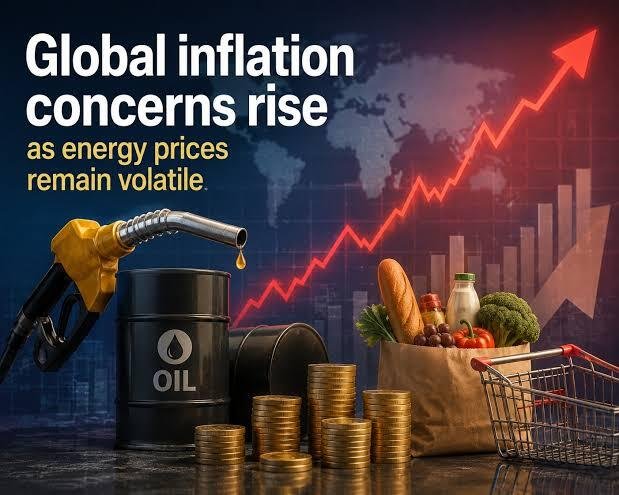
S&P Global’s October manufacturing commentary reported that global factory input costs increased at their fastest rate since July 2022, apart from the exceptional increases recorded immediately after the outbreak of the Middle East conflict in February 2026. Higher oil prices have contributed to the increase through direct energy expenses and more expensive transportation.
These developments are particularly difficult for small and medium-sized manufacturers, which often have less bargaining power when negotiating with suppliers. Larger companies may be able to secure long-term contracts or maintain larger inventories, while smaller businesses can face immediate cost increases.
Manufacturers must decide whether to absorb higher expenses, reduce operating margins or pass additional costs on to customers. When companies increase selling prices, the effects can spread beyond industrial production and contribute to wider inflation.
Shipping Delays Disrupt International Supply Chains
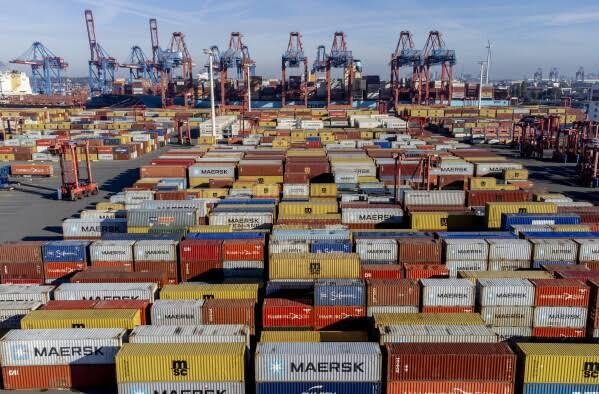
International shipping remains another major concern. Manufacturing businesses increasingly depend on components and materials sourced from several countries, making their production schedules sensitive to delays at ports, shipping routes and logistics facilities.
The prolonged Middle East conflict has contributed to disruptions affecting important transport routes. Shipping restrictions, rerouting and longer transit times can increase freight expenses and delay the arrival of essential supplies. Low water levels along certain transport routes have also been identified as an additional logistical challenge.
S&P Global’s October assessment found that supplier delivery times lengthened across global manufacturing, with bottlenecks linked to material availability and shipping delays. In the United States, delivery times deteriorated to their greatest extent since 2022, reflecting logistics difficulties and pressure on suppliers.
Such delays can affect entire production networks. A shortage of one specialised component may prevent a factory from completing an otherwise finished product. Companies may consequently experience growing order backlogs, higher inventory requirements and difficulties meeting customer commitments. <Cite refs={[“turn566797search0″,”turn566797search2″,”turn566797search4”]}/>
Material Shortages Create Production Uncertainty
The availability of industrial materials and components has become increasingly important for manufacturers. Shortages of oil-based products, metals, chemicals and electronic components can affect production across several sectors.
The Global Supply Chain Volatility Index published by GEP and S&P Global indicated that shortages of materials increased for the first time since May in September 2026. Oil and oil-based products were among the inputs experiencing greater supply constraints. The report also highlighted rising transportation costs as global oil prices increased.
Demand from technology and defence industries is adding another dimension to the problem. Strong investment in artificial intelligence infrastructure, data centres, semiconductor equipment and defence production is supporting demand for specialised industrial goods. However, this demand can also intensify competition for production capacity and selected materials.
Manufacturers are therefore operating in an environment where some industries are experiencing strong order growth while others face weaker consumer demand and affordability concerns. This uneven pattern makes it difficult for businesses to plan production and inventory levels.
Major Economies Experience Different Manufacturing Conditions
The effects of supply-chain pressures are not identical across major economies.
In the United States, the Institute for Supply Management reported that the manufacturing PMI increased to 55.5 in October, up from 54.5 in September. New orders and production expanded, while supplier deliveries continued to slow and prices remained elevated. The Prices Index stood at 75.2, indicating that a substantial share of surveyed manufacturers continued to report increasing input prices.
In the euro area, manufacturing activity remained in expansion territory, although the PMI eased to 52.7 in October from 52.9 in September. Rising input prices and energy costs remained significant concerns for industrial businesses.
Across Asia, manufacturing conditions were mixed. Strong demand for artificial intelligence-related products supported some technology and electronics producers, while growth slowed in several major economies, including China, Japan, South Korea and Taiwan. India also recorded slower manufacturing expansion, reflecting softer domestic demand and hiring, although export orders provided some support.
These differences demonstrate that manufacturing performance depends not only on global demand but also on domestic economic conditions, energy exposure, industrial capacity and access to reliable suppliers.
Businesses Respond Through Supply-Chain Diversification
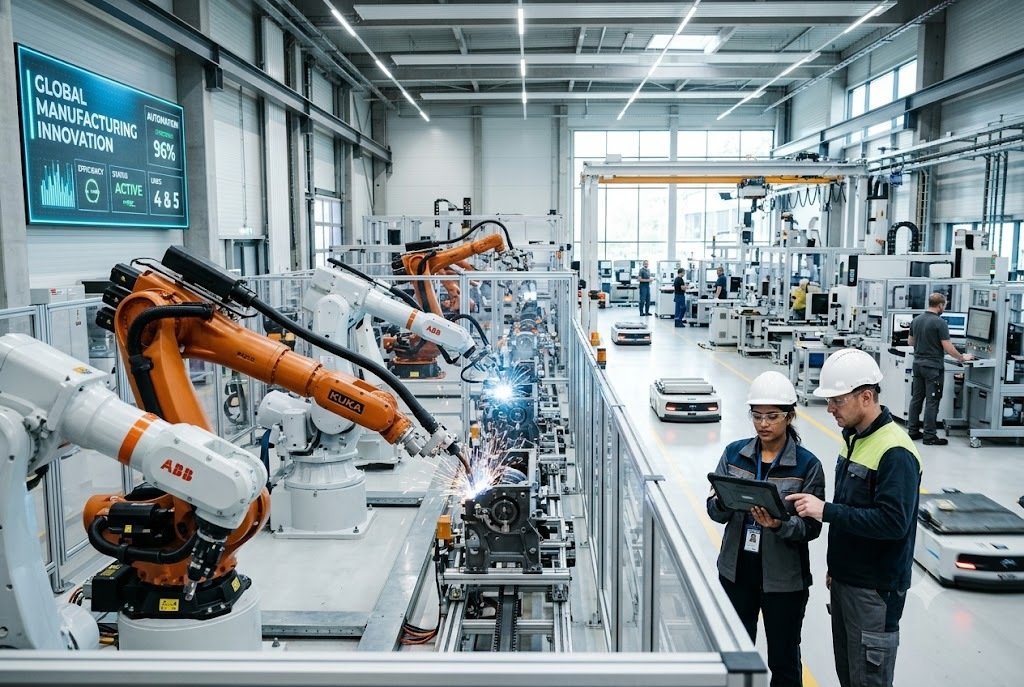
Companies are increasingly reviewing their supply-chain strategies to reduce exposure to unexpected disruptions. Many manufacturers are diversifying suppliers, increasing inventories of critical components, developing regional sourcing arrangements and investing in better supply-chain monitoring.
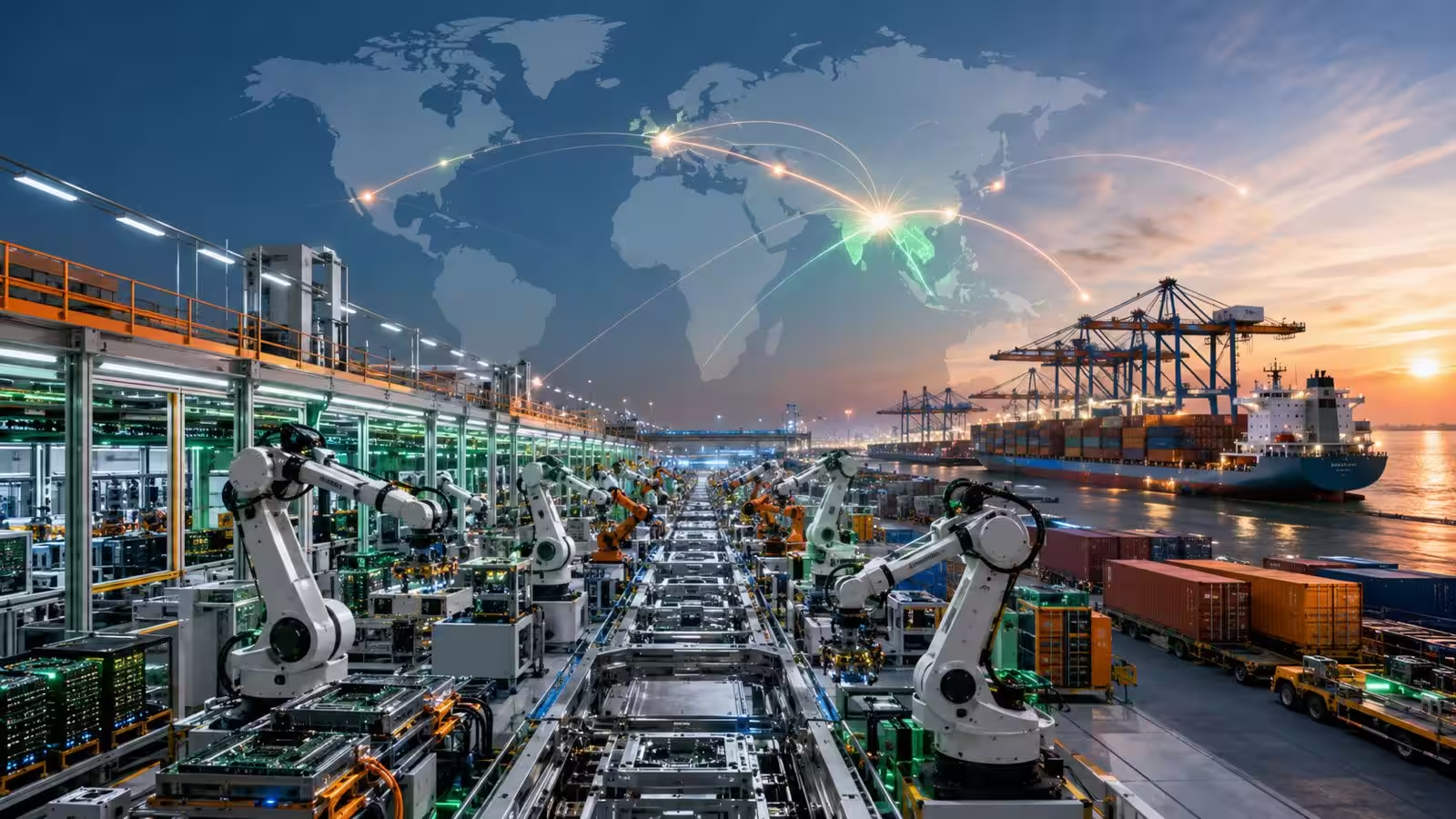
The shift towards diversified sourcing does not mean that globalisation is ending. Instead, businesses are seeking a better balance between cost efficiency and supply reliability. Depending on a single supplier or transport route may reduce costs during stable periods but create significant risks when disruptions occur.
Digital technologies are also becoming important in supply-chain management. Artificial intelligence, predictive analytics and real-time tracking systems can help companies forecast demand, monitor inventory and identify potential delays earlier.
However, these changes require investment and may increase operating expenses in the short term. Smaller businesses may need financial and technological support to adopt similar systems.
The Worldonomics Times Views
The pressures affecting global manufacturing highlight the importance of reliable and resilient supply chains. Although production continues to expand in many economies, rising costs, material shortages and shipping delays are making industrial operations more complicated.
Governments and businesses should focus on strengthening logistics infrastructure, diversifying sources of essential materials and encouraging investment in domestic manufacturing capabilities. International cooperation will also remain important because modern production networks depend on the movement of goods, technology and resources across borders.
The objective should not be to eliminate international trade but to make it more dependable. Manufacturers that improve supply-chain flexibility, manage costs effectively and invest in technology will be better positioned to respond to future disruptions.
Global manufacturing is therefore entering a period in which production growth alone will not determine competitiveness. The ability to secure materials, control expenses and deliver products on time will become equally important to long-term industrial success.