The Worldonomics Times
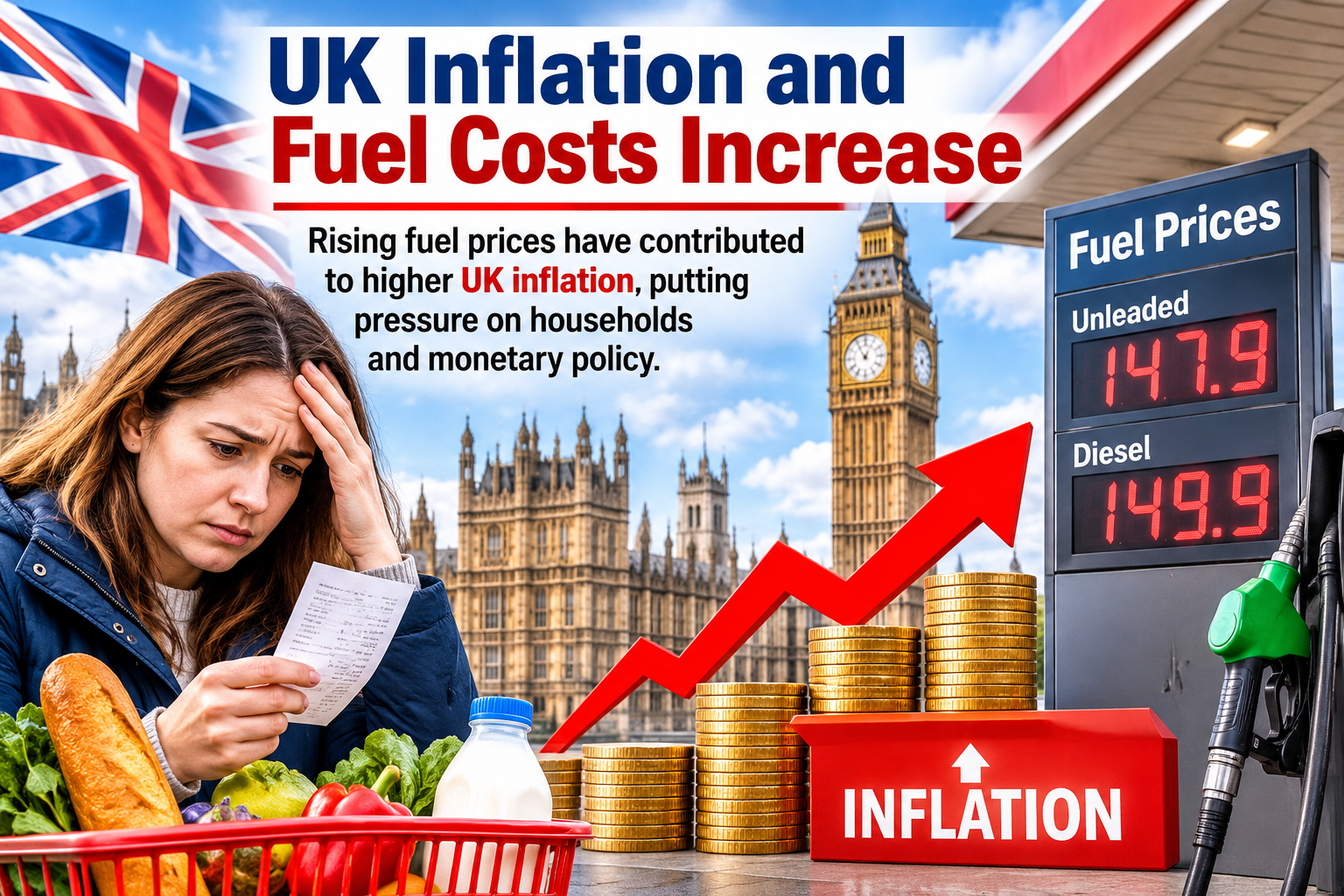
Global financial markets are facing renewed uncertainty as international oil prices climb amid growing concerns over energy supply disruptions in the Middle East. Rising crude oil prices are creating fresh challenges for governments, businesses and consumers, with potential consequences for transportation costs, manufacturing expenses and global inflation.
The Middle East remains one of the world’s most important energy-producing regions. Any escalation of geopolitical tensions or threat to critical oil supply routes can influence global energy markets, even before an actual disruption takes place. As a result, investors and policymakers are closely monitoring developments in the region and assessing their possible impact on the global economy.
The latest increase in oil prices highlights the close relationship between geopolitical stability, energy security and economic performance.
Middle East Tensions Raise Energy Supply Concerns
The Middle East plays a central role in international energy markets, with several major oil-producing countries located in the region. It is also home to important maritime routes through which significant volumes of crude oil and petroleum products are transported to global markets.
When tensions rise, concerns about the safety of production facilities, shipping routes and energy infrastructure can increase. Even the possibility of supply interruptions may encourage traders to factor additional risk into oil prices.
One particularly important route is the Strait of Hormuz, a strategic passage connecting the Persian Gulf with international shipping lanes. Disruptions in this area could affect the movement of substantial quantities of oil and create uncertainty among importing nations.
Although higher prices do not necessarily indicate that supplies have already been interrupted, geopolitical risks can influence market expectations and trading decisions.
Rising Crude Oil Prices and Global Inflation
Crude oil is a fundamental input for many parts of the global economy. It is used directly in transportation and indirectly in the production of chemicals, plastics, fertilisers and numerous industrial materials.
When oil prices increase, fuel expenses can rise for airlines, shipping companies, logistics providers and road transport operators. Businesses that depend on transportation may then face higher operating costs.
These additional expenses can eventually be reflected in the prices of goods and services. For example, higher freight charges may increase the cost of delivering food, consumer products and industrial components.
The impact can extend beyond energy markets. If businesses pass higher costs on to consumers, inflationary pressures may become more persistent. Central banks could then face a difficult situation, particularly if inflation remains above their targets while economic growth slows.
Transportation and Manufacturing Industries Under Pressure
The transportation sector is among the industries most directly exposed to fluctuations in oil prices. Airlines are particularly sensitive because aviation fuel represents a significant operating expense. Sustained increases in fuel prices may reduce profit margins or encourage airlines to revise ticket prices.
Shipping companies and road freight operators also face higher fuel bills. Since international commerce depends heavily on the movement of goods, rising transportation costs can influence businesses across multiple sectors.
Manufacturing companies may experience additional pressure through higher energy and raw material expenses. Industries such as chemicals, plastics, automobiles and construction materials can be particularly sensitive to changes in petroleum-related input costs.
Small and medium-sized enterprises may find it difficult to absorb these increases, especially when they have limited pricing power. As a result, prolonged energy price increases could affect business investment, production decisions and consumer demand.
Impact on Emerging Economies
Countries that depend heavily on imported crude oil are particularly vulnerable to rising international energy prices. Higher import bills can put pressure on foreign exchange reserves, government finances and national currencies.
Emerging economies may face additional challenges because energy costs influence transportation, electricity generation, industrial production and household budgets.
India, for example, is a major consumer of imported crude oil. A sustained increase in international oil prices could raise the country’s import expenditure and place pressure on domestic fuel prices, depending on government policy, exchange-rate movements and other market factors.
Higher energy costs can also affect India’s manufacturing, aviation, logistics and agricultural sectors. If transportation and production expenses rise, businesses may face pressure to increase prices, potentially affecting household purchasing power.
Other oil-importing economies across Asia, Europe and Africa may encounter similar difficulties, particularly if their currencies weaken against the US dollar.
Financial Markets Monitor Energy Price Movements
Oil price movements can influence financial markets through their effect on corporate earnings, inflation expectations and economic growth forecasts.
Energy companies may benefit from higher crude prices, depending on their production costs and business models. However, industries that consume large quantities of fuel may face weaker profitability.
Investors may also reconsider their portfolios when geopolitical uncertainty increases. Market participants often assess the potential consequences for energy stocks, transportation companies, currencies and government bonds.
If rising oil prices increase inflation expectations, financial markets may anticipate that central banks will maintain restrictive monetary policies for longer. Higher borrowing costs could then affect investment, housing demand and business expansion.
However, market reactions will depend on the duration of the price increase, the scale of any supply disruption and the broader economic environment.
Governments Focus on Energy Security
The latest developments are likely to reinforce the importance of energy security and supply diversification.
Governments may consider strengthening strategic petroleum reserves, expanding domestic energy production, improving energy efficiency and developing alternative supply arrangements. Investment in renewable energy and electric mobility can also help reduce long-term dependence on imported fossil fuels.
However, the transition to alternative energy sources requires time, investment and infrastructure development. Conventional oil and gas will continue to play an important role in many economies during this transition.
For businesses, diversifying suppliers, improving fuel efficiency and preparing contingency plans can help reduce exposure to sudden energy market changes.
The Worldonomics Times View
Rising oil prices amid Middle East tensions demonstrate how geopolitical developments can quickly influence economic conditions across the world. Energy markets are highly interconnected, and uncertainty in a major producing region can affect businesses and consumers thousands of kilometres away.
While higher oil prices may benefit certain energy producers, the wider economic consequences can be challenging. Increased transportation expenses, manufacturing costs and inflationary pressure can weaken consumer purchasing power and complicate monetary policy decisions.
For oil-importing economies such as India, energy diversification should remain a strategic priority. Expanding renewable energy capacity, strengthening domestic energy infrastructure and improving fuel efficiency can reduce vulnerability to external shocks.
The Worldonomics Times believes that energy security must be treated as an essential part of economic stability. Governments should strengthen international cooperation, maintain adequate emergency reserves and encourage investment in sustainable energy solutions.
Geopolitical tensions may be difficult to predict, but economies can improve their resilience through better planning and diversified energy systems.
Conclusion
The rise in international oil prices highlights the economic risks associated with Middle East tensions and potential energy supply disruptions. Higher crude prices could increase transportation and manufacturing expenses while adding pressure to global inflation.
The overall impact will depend on how geopolitical conditions develop, whether supply routes remain secure and how long elevated oil prices persist.
For governments, businesses and investors, monitoring energy markets and preparing for uncertainty will be essential. In an increasingly interconnected global economy, stable energy supplies remain fundamental to sustainable growth and financial stability.