As governments increasingly turn to tariffs, export controls and strategic trade policies, international businesses face a more complicated operating environment. Rising uncertainty is reshaping supply chains, investment decisions and the future of globalisation.
Global trade has long been a powerful engine of economic growth, connecting markets, supporting industries and creating opportunities for businesses across borders. However, the international trading environment is undergoing a period of significant change. Trade tensions, geopolitical rivalries and protectionist policies are creating new obstacles for companies that depend on international markets.
Governments are increasingly prioritising domestic industries, economic security and strategic independence. While these policies are often introduced to protect national interests, they can also increase costs, disrupt supply chains and weaken confidence among international investors. For businesses operating across multiple countries, understanding and responding to these developments has become essential.
Rising Protectionism Reshapes Global Trade
Protectionism is gaining importance as governments use tariffs, import restrictions, subsidies and regulatory measures to support domestic industries. Although such policies may provide temporary relief to selected sectors, they can create wider economic consequences when trading partners respond with similar restrictions.
The World Trade Organization’s 2026 World Trade Report describes the global trading system as facing serious and sustained disruptions. It highlights growing geopolitical tensions, government intervention and changes in global supply chains as major challenges to international trade.
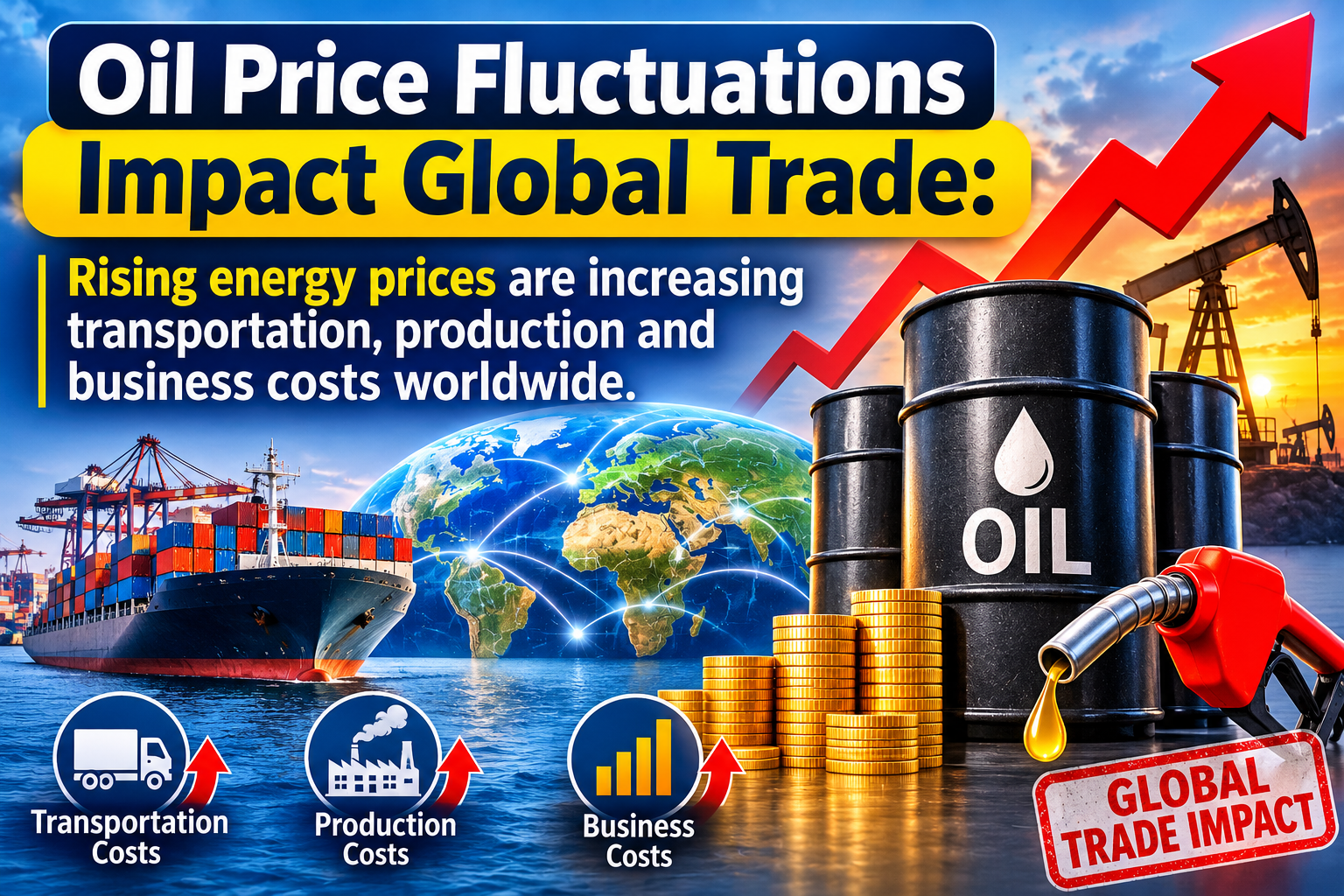
Tariffs are among the most visible instruments of protectionism. When countries impose higher duties on imported goods, businesses face increased costs for raw materials, components and finished products. Companies may have to absorb these expenses, reduce profit margins or pass higher prices on to consumers.
Retaliatory measures can make the situation more complicated. A tariff introduced by one country may trigger countermeasures from another, creating a cycle of restrictions that affects businesses and consumers on both sides.
Supply Chains Under Growing Pressure
Modern businesses depend on interconnected supply chains that often span several continents. A product manufactured in one country may rely on components, technology and raw materials sourced from multiple international suppliers.
Trade restrictions can interrupt these networks, delay shipments and increase transportation and compliance expenses. Companies that rely heavily on a single supplier or country are particularly exposed to sudden policy changes.
As a result, many businesses are reconsidering their sourcing strategies. Some are diversifying suppliers, moving production closer to major consumer markets or exploring alternative manufacturing locations. These approaches can improve resilience, but they also require investment, time and careful planning.
UN Trade and Development (UNCTAD) has identified rising protectionism and supply-chain reorganisation as important forces reshaping global trade in 2026. Its analysis also highlights the particular vulnerability of smaller and less diversified economies to trade policy uncertainty.
Businesses Face Higher Costs and Investment Risks
Uncertainty is not limited to the direct cost of tariffs. Frequent changes in trade regulations make it difficult for businesses to forecast expenses, negotiate long-term contracts and decide where to invest.
For multinational corporations, a change in trade policy can affect production facilities, distribution networks and market-entry strategies. Companies may postpone expansion plans when they cannot predict whether products will face new duties or restrictions in the future.
Small and medium-sized enterprises (SMEs) face even greater challenges. Unlike large corporations, they often have fewer resources to absorb additional costs, hire trade compliance specialists or establish alternative supply networks.
Export-oriented businesses also face the risk of losing access to important markets. New certification requirements, customs procedures and restrictions can make international sales more expensive and time-consuming.
Technology and Strategic Industries at the Centre
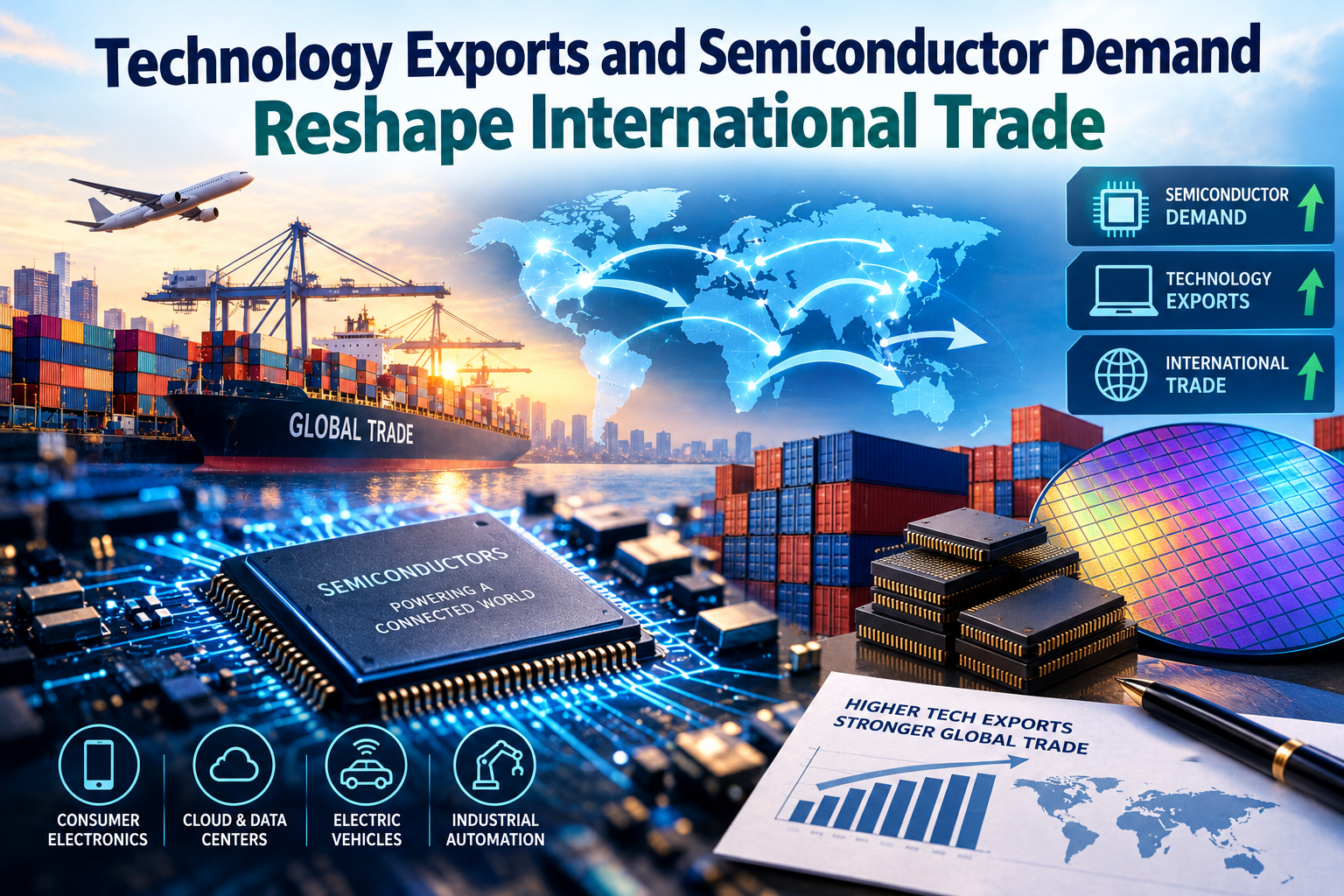
Trade tensions increasingly extend beyond traditional goods such as steel, automobiles and agricultural products. Technology, semiconductors, artificial intelligence, telecommunications and critical minerals have become central to international economic competition.
Governments are introducing export controls, investment screening and industrial subsidies to protect strategic capabilities. While these measures may strengthen domestic technological capacity, they can also restrict access to important technologies and fragment international markets.
The growing competition over advanced technology is particularly significant because modern industries depend on international collaboration, research and specialised components. Restrictions on technology transfers can affect innovation, productivity and the ability of companies to compete globally.
The WTO’s October 2026 trade outlook also points to the growing importance of AI-related goods in international merchandise trade, demonstrating how technological developments are becoming increasingly connected to global trade patterns.
Developing Economies: Challenges and Opportunities
Developing economies face a complex combination of risks and opportunities. Countries that depend heavily on exports to a limited number of markets may experience significant disruption when trade barriers increase.
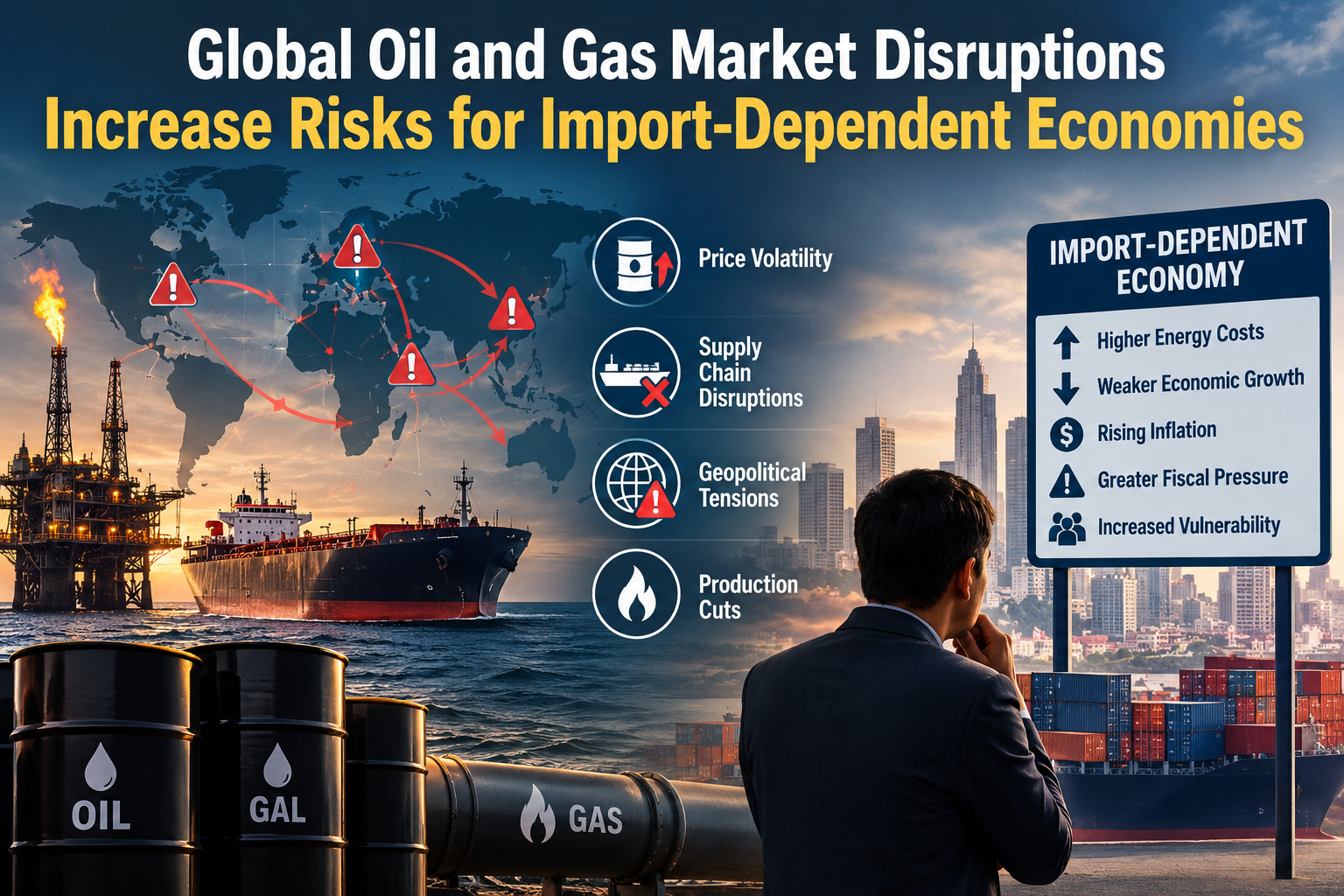
Higher import costs can also affect essential goods, industrial inputs and food supplies. For economies with limited financial resources, these pressures may contribute to inflation, weaker investment and slower economic development.
However, changes in global supply chains can create new opportunities. Businesses seeking alternative manufacturing locations may consider emerging markets with competitive production costs, skilled labour and improving infrastructure.
Countries that invest in logistics, trade facilitation, workforce development and stable regulatory systems could attract new manufacturing and investment activity. Regional trade agreements and stronger economic partnerships may also help reduce dependence on individual markets.
The Need for Business Adaptation
In an uncertain trade environment, businesses must move beyond traditional cost-based strategies and place greater emphasis on resilience.
Companies should diversify suppliers, monitor changes in trade regulations and assess their exposure to tariffs and geopolitical risks. They should also strengthen relationships with logistics providers, explore alternative markets and maintain transparent communication with international partners.
Digital technologies can support this transition by improving supply-chain visibility, forecasting demand and identifying potential disruptions. Businesses that combine careful risk management with operational flexibility will be better positioned to respond to sudden changes.
Governments also have an important role. Clear trade regulations, predictable policies and constructive international dialogue can help businesses make long-term decisions with greater confidence.
The Worldonomics Times View
Global trade should not become a casualty of geopolitical competition. Protecting national industries and safeguarding economic security are legitimate government objectives, but excessive protectionism can create consequences that extend far beyond national borders.
Tariffs and trade restrictions may offer short-term advantages to selected industries, yet they can increase costs for manufacturers, weaken consumer purchasing power and discourage investment. When countries respond to one another with retaliatory measures, the wider international economy risks losing the benefits of cooperation and specialisation.
The World Trade Organization’s 2026 report underlines the scale of the potential consequences. Its simulations suggest that a fragmented global economy divided into geopolitical trading blocs could reduce global GDP by 5.1% and global exports by 18.6% compared with a more cooperative trading system.
The priority should therefore be to modernise international trade rules rather than abandon them. Governments must work towards greater transparency, fair competition and effective dispute resolution while addressing legitimate concerns about national security and economic resilience.
For businesses, the future will depend on adaptability, diversification and informed decision-making. For governments, it will depend on balancing domestic priorities with international responsibilities.
The future of globalisation may look different from the past, but international cooperation remains essential. A stable, transparent and inclusive trading system is not simply beneficial for exporters and multinational corporations; it is fundamental to sustainable economic growth and shared prosperity.