Global gold and commodity markets play a significant role in shaping the international economic and financial landscape. From precious metals such as gold and silver to essential commodities such as crude oil, natural gas, copper and agricultural products, price movements influence inflation, industrial production, international trade and investment decisions.
In an increasingly interconnected global economy, commodity prices are influenced by a combination of economic growth, interest rate expectations, currency movements, geopolitical developments and changes in global supply and demand. Periods of economic uncertainty often encourage investors to reconsider their portfolios, increasing interest in assets traditionally viewed as stores of value, particularly gold.
At the same time, industrial and agricultural commodities remain essential to economic activity, making their prices important indicators of global demand and business confidence.
Gold: A Safe-Haven Asset During Economic Uncertainty
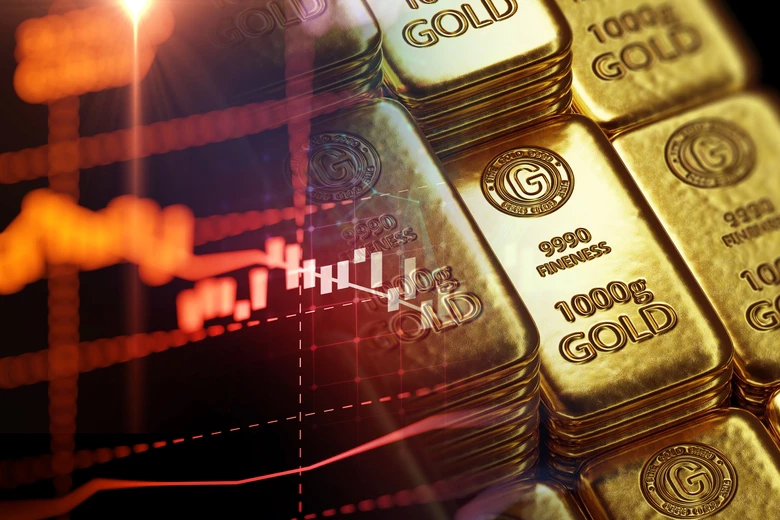
Gold has historically been considered an important store of value, particularly during periods of financial instability, geopolitical tensions and inflationary pressures.
Unlike currencies, gold is not directly issued by any government or central bank. Its limited supply and global acceptance have contributed to its importance as a reserve asset and investment instrument.
During uncertain economic conditions, investors often increase their exposure to gold to diversify portfolios and protect wealth against potential financial risks.
Several factors influence international gold prices:
- Interest Rates: Lower interest rates can make gold more attractive because the opportunity cost of holding a non-interest-bearing asset decreases.
- US Dollar Movements: Gold is generally priced in US dollars. Changes in the dollar’s value can influence purchasing costs and international demand.
- Inflation Expectations: Investors may increase gold holdings when concerns about declining purchasing power rise.
- Geopolitical Tensions: International conflicts and political uncertainty can encourage demand for traditional safe-haven assets.
- Central Bank Purchases: Central banks purchase gold to diversify foreign exchange reserves and strengthen financial resilience.
However, gold prices do not always move in the same direction as inflation or economic uncertainty. Real interest rates, investor positioning and broader financial market conditions also influence its performance.
Silver and Other Precious Metals Gain Importance
Silver occupies a unique position in the precious metals market because it serves both investment and industrial purposes.
In addition to its traditional role as a store of value, silver is widely used in solar panels, electronics, electrical equipment and various industrial applications.
Growing investment in renewable energy and advanced manufacturing is supporting long-term interest in silver demand.
Other precious metals, including platinum and palladium, are important for industrial applications, particularly automotive manufacturing, catalytic converters and specialised technologies.
Their prices are influenced by industrial demand, mining production, recycling activity and technological changes.
As industries transition towards cleaner energy systems and advanced manufacturing, demand patterns for precious metals may continue to evolve.
Crude Oil and Energy Markets Influence Global Inflation
Crude oil remains one of the most strategically important commodities in the international economy.
Oil prices influence transportation expenses, manufacturing costs, electricity generation, petrochemical production and the overall cost of doing business.
Changes in global oil prices can have significant consequences for both oil-producing and oil-importing countries.
Higher crude oil prices may benefit energy-exporting economies by increasing export revenues. However, countries heavily dependent on imported energy can face higher import bills, inflationary pressures and increased fiscal challenges.
International oil prices are influenced by several factors, including:
- Global energy consumption and economic growth.
- Production decisions by major oil-producing countries and OPEC+.
- Geopolitical tensions and supply disruptions.
- Changes in commercial inventories.
- Currency movements and international investment activity.
Natural gas markets are similarly affected by weather conditions, industrial consumption, production capacity and international supply arrangements.
Industrial Metals Reflect Global Economic Activity
Industrial metals such as copper, aluminium, nickel, zinc and iron ore are essential inputs for manufacturing, construction, infrastructure and technological development.
Copper is particularly important because of its extensive use in electrical systems, renewable energy projects, electric vehicles and power infrastructure.
As countries invest in electricity networks, digital infrastructure and clean energy technologies, industrial demand for copper and other metals may increase.
Iron ore remains closely connected to the steel industry and construction activity, particularly in major industrial economies.
Aluminium is widely used in transportation, packaging, construction and renewable energy equipment.
These commodities are closely linked to global economic growth. Strong industrial activity can increase demand and support prices, while slowing manufacturing activity and weaker infrastructure investment may reduce consumption.
Agricultural Commodities and Food Security
Agricultural commodities are another important segment of global commodity markets.
Wheat, rice, corn, soybeans, sugar and edible oils are essential to international food supply chains and household consumption.
Their prices are influenced by weather conditions, agricultural production, fertiliser costs, transportation expenses, trade restrictions and geopolitical developments.
Extreme weather events, including droughts, floods and prolonged heatwaves, can disrupt agricultural production and reduce global supplies.
Rising agricultural commodity prices can increase food inflation, particularly in developing economies where households spend a significant proportion of their income on food.
Governments therefore monitor agricultural markets closely to maintain food security, manage inflation and protect vulnerable consumers.
Commodity Markets and Global Investment Strategies
Commodity markets attract a wide range of participants, including institutional investors, commodity trading companies, manufacturers, governments and individual investors.
Investors can gain exposure through physical commodities, exchange-traded funds, futures contracts and shares of mining or energy companies.
Gold is often used for portfolio diversification, while industrial commodities may provide exposure to global infrastructure and manufacturing growth.
However, commodity investments carry considerable risks. Price volatility, geopolitical developments, currency movements and supply disruptions can produce sudden changes in market valuations.
Investors must also understand the differences between physical commodity ownership, commodity-linked financial products and futures-based investments.
A diversified approach, supported by research and an understanding of global economic conditions, can help manage commodity-related investment risks.
The Worldonomics Times View
Gold and commodity markets remain essential indicators of global economic conditions. Their price movements reflect changing investor sentiment, industrial demand, monetary policy expectations and international supply dynamics.
The Worldonomics Times believes that precious metals and commodities will continue to play an important role in global investment strategies as economies navigate inflationary pressures, geopolitical uncertainty and structural changes in energy and manufacturing.
Gold is likely to retain its importance as a reserve and diversification asset, while silver and industrial metals may benefit from technological advancement, electrification and renewable energy investment. Meanwhile, energy and agricultural commodities will remain central to discussions about inflation, economic security and sustainable development.
However, investors should avoid treating every rise in commodity prices as a signal of long-term opportunity. Market fundamentals, production capacity, global demand and financial conditions must be carefully evaluated.
For policymakers, maintaining diversified supply sources, developing domestic production capabilities and strengthening strategic reserves can improve economic resilience.
Ultimately, the future of global commodity markets will be shaped by the balance between economic growth, technological transformation, resource availability and geopolitical developments. Understanding these forces will be essential for investors, businesses and governments navigating an increasingly uncertain global economy.