Global economy faces mounting challenges from geopolitical tensions, inflationary pressures, trade uncertainties and uneven technological growth, despite showing resilience amid global disruptions.
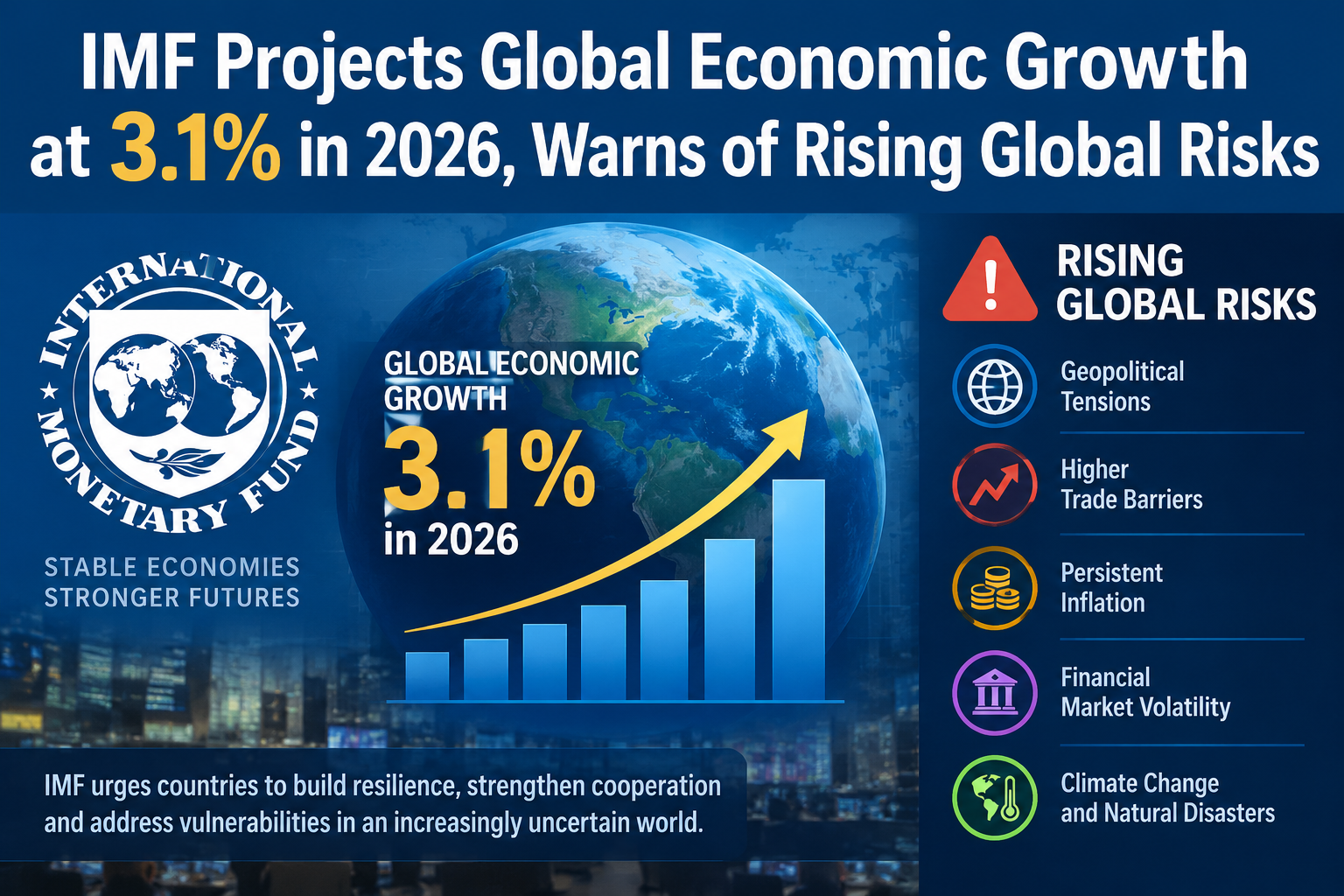
The global economy is entering a challenging phase as mounting geopolitical tensions, persistent inflationary pressures and economic uncertainties continue to influence international markets. According to the International Monetary Fund’s (IMF) October 2026 World Economic Outlook, global economic growth is projected to slow to 3.1% in 2026, compared with an estimated 3.5% in 2025. The IMF expects growth to improve to 3.4% in 2027, suggesting a gradual recovery despite the numerous challenges confronting the world economy.
The latest projections highlight the growing imbalance in global economic performance, with some countries benefiting from technological investments and stronger domestic demand, while others struggle with higher energy costs, financial vulnerabilities and geopolitical disruptions.
Global Growth Faces Multiple Headwinds
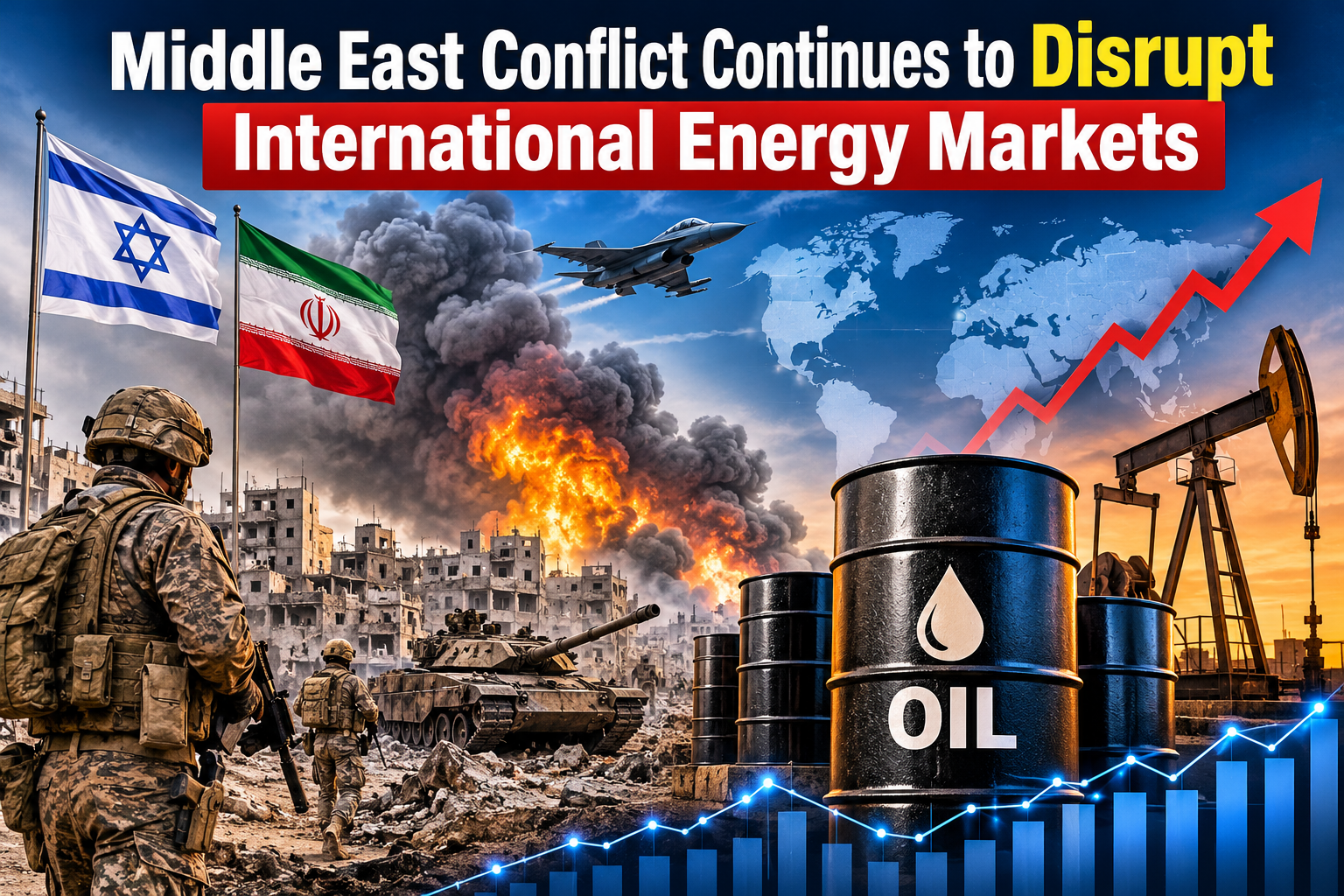
Several interconnected factors are contributing to the slowdown in global economic activity. Geopolitical conflicts, particularly disruptions affecting energy supplies and international trade routes, have created additional uncertainty for businesses, governments and investors.
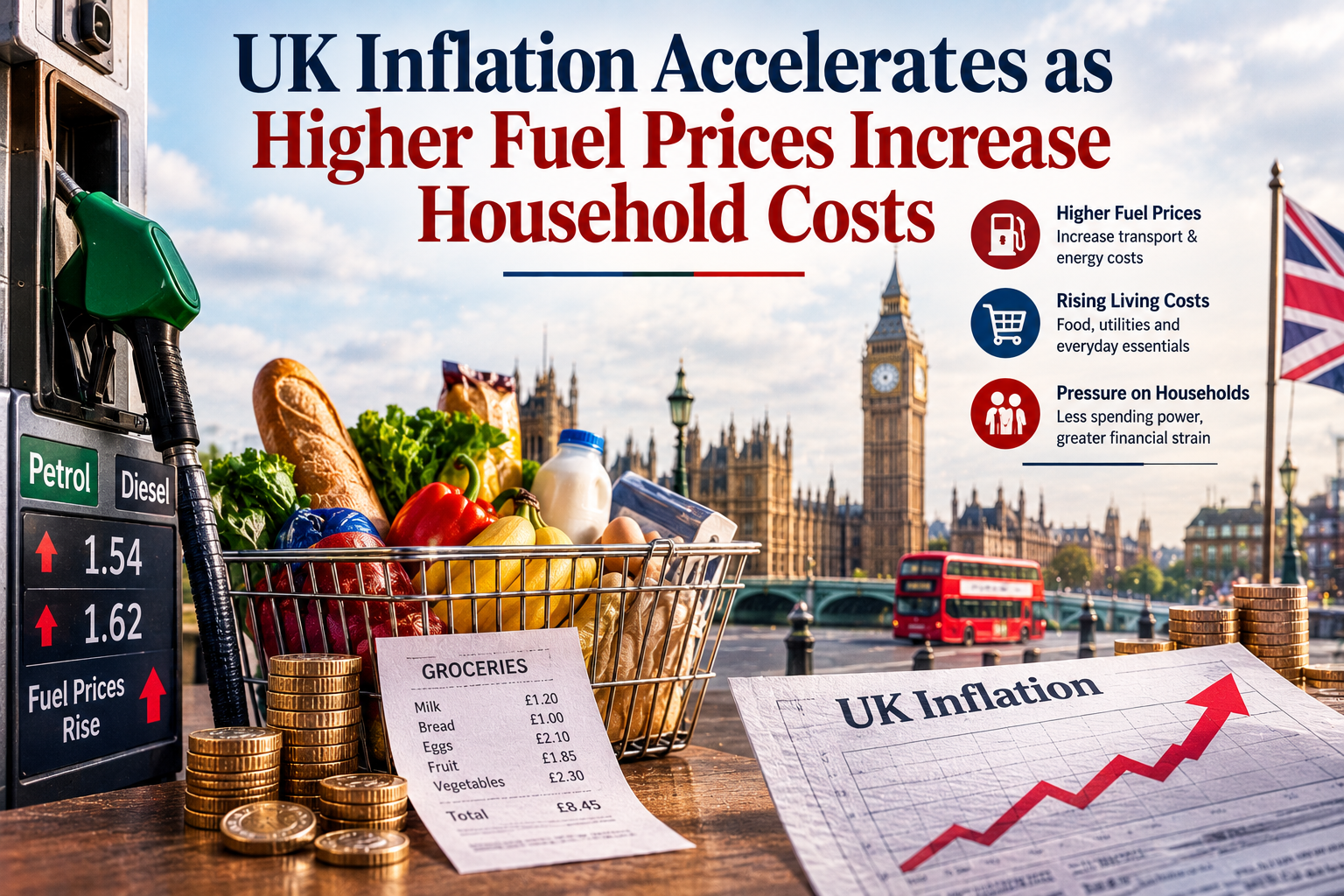
Rising energy and commodity prices have increased production and transportation costs across several industries. These developments have also complicated efforts by central banks to control inflation without significantly restricting economic activity.
The IMF projects global headline inflation at 4.7% in 2026, before moderating to 4.1% in 2027. Persistently elevated prices could continue to affect household purchasing power, business investment decisions and consumer confidence.
Furthermore, renewed trade tensions and changing international trade policies are creating uncertainty for exporters, manufacturers and multinational corporations. Businesses are increasingly required to reconsider supply chains, diversify sourcing strategies and manage higher operational costs.
Uneven Economic Performance Across Countries
Although global growth is expected to remain positive, the benefits of economic expansion are not being distributed equally.
Advanced economies continue to face challenges associated with relatively modest growth, higher borrowing costs and fiscal pressures. Emerging and developing economies, meanwhile, are dealing with a different set of difficulties, including currency volatility, external debt obligations and exposure to international commodity price fluctuations.
The United States is projected to grow by approximately 2.3% in 2026, while China’s economy is expected to expand by 4.5%. India is forecast to maintain stronger growth momentum at around 7%, supported by domestic consumption, infrastructure investment and expanding economic activity.
These differences demonstrate how domestic economic policies, industrial capabilities, investment conditions and integration into global supply chains influence individual countries’ ability to withstand international economic shocks.
For developing economies, maintaining financial stability while supporting employment, infrastructure development and social welfare will remain a significant policy priority.
Artificial Intelligence Emerges as a Growth Driver
One of the most important developments influencing the global economic outlook is the rapid expansion of artificial intelligence (AI) and technology-related investment.
Increasing investments in data centres, semiconductor manufacturing, cloud computing and digital infrastructure are creating new opportunities for economic growth. Countries with strong technological ecosystems are attracting capital, encouraging innovation and strengthening their positions in global value chains.
However, the benefits of technological advancement remain uneven. Economies that lack advanced digital infrastructure, skilled workforces and access to investment may find it difficult to participate fully in the emerging technology-driven economy.
The IMF has also highlighted risks associated with excessive market expectations surrounding artificial intelligence. If anticipated productivity gains fail to materialise, a sudden reassessment of technology valuations could affect financial markets and investment activity.
Therefore, while AI presents significant opportunities for long-term productivity improvements, its economic contribution will depend on responsible investment, workforce development and effective regulatory frameworks.
Rising Debt and Financial Vulnerabilities
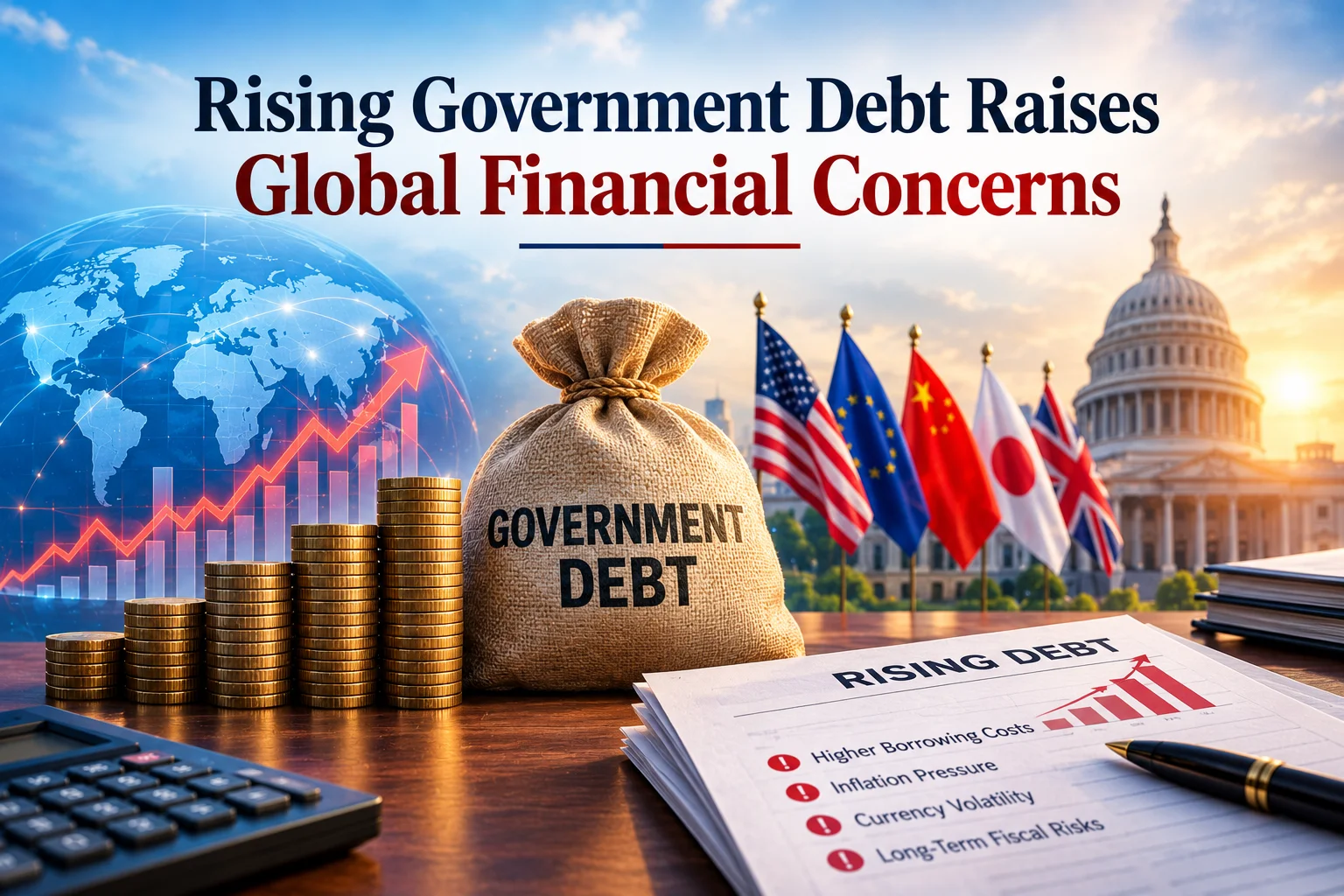
Another major concern is the increasing pressure on public finances across several economies. Higher government borrowing, elevated interest payments and expanding expenditure commitments are limiting the fiscal flexibility available to policymakers.
Countries with substantial public debt may face difficulties financing infrastructure projects, social programmes and economic stimulus measures, particularly if global borrowing costs remain elevated.
Financial market volatility could further complicate the situation. Sudden changes in investor confidence, currency movements and capital flows may create additional challenges for emerging markets.
The IMF has therefore emphasised the importance of rebuilding fiscal buffers, maintaining monetary and financial stability, and implementing policies that encourage sustainable long-term growth.
What Lies Ahead for the Global Economy?
The outlook for 2027 offers some encouragement, with the IMF projecting global growth to recover to 3.4%. However, this improvement will depend on several important factors, including the stabilisation of geopolitical conditions, moderation in inflation, stronger international cooperation and sustained investment.
Governments will need to balance short-term economic pressures with long-term development priorities. Investment in infrastructure, education, technological innovation, renewable energy and productive industries could strengthen economic resilience.
International cooperation will also remain essential. Greater coordination on trade, financial stability, energy security and climate-related challenges can help reduce uncertainty and support a more balanced global recovery.
While the projected slowdown does not indicate a global recession, it serves as a reminder that economic resilience cannot be taken for granted.
The Worldonomics Times View
The IMF’s projection of 3.1% global economic growth in 2026 should be viewed as a warning about the increasing fragility and unevenness of the global economic environment. Although the world economy continues to expand, the quality, distribution and sustainability of that growth deserve greater attention.
In our view, the biggest challenge is not simply maintaining positive growth figures but ensuring that economic progress translates into employment opportunities, higher incomes, stronger industries and improved living standards.
Emerging economies such as India have an important opportunity to strengthen their global economic position. However, sustaining growth will require continued investment in infrastructure, manufacturing, education, digital capabilities and domestic innovation. Greater participation in global supply chains and the development of competitive industries will also be essential.
At the international level, policymakers must avoid excessive dependence on short-term financial measures and focus instead on strengthening economic fundamentals. Responsible fiscal management, stable trade relationships, affordable energy and investments in human capital should form the foundation of future growth strategies.
Artificial intelligence and technological innovation can become powerful engines of productivity, but their benefits must reach businesses, workers and developing economies more broadly.
The Worldonomics Times believes that the next phase of global economic development will be determined not merely by how fast economies grow, but by how sustainably, inclusively and intelligently they grow. The 3.1% growth forecast is therefore more than an economic statistic; it is a call for governments and institutions to strengthen resilience, encourage innovation and build a more stable foundation for the global economy.