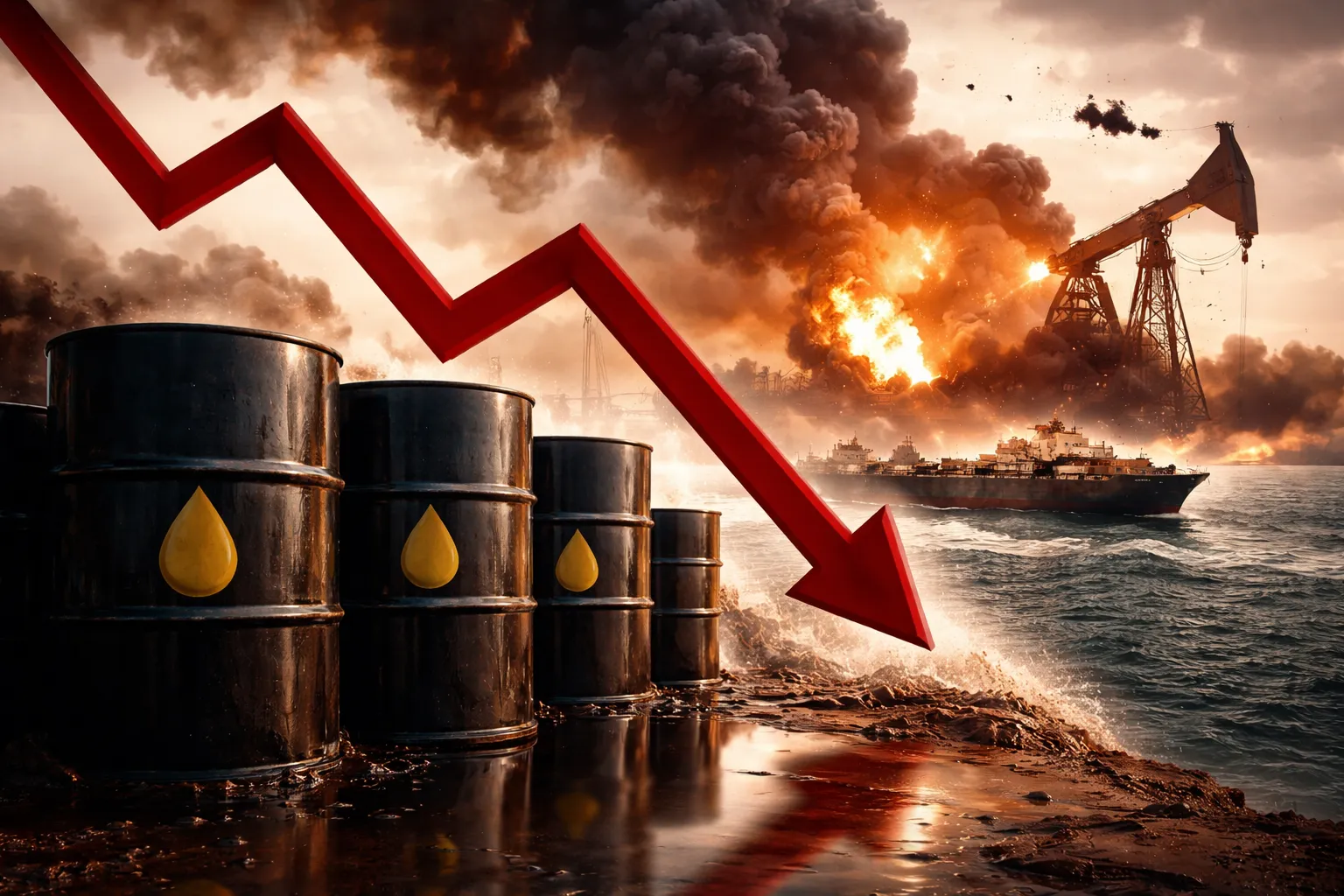
Changing global oil prices continue to influence transportation expenses, industrial production, consumer purchasing power and inflation trends, creating challenges for governments, businesses and central banks worldwide.
Oil prices remain one of the most influential factors shaping the global economic outlook. As a primary source of energy for transportation, manufacturing, electricity generation and industrial operations, crude oil plays a critical role in determining production costs and overall economic activity. Fluctuations in international oil markets can therefore have far-reaching consequences for inflation, trade balances, financial markets and economic stability.
In an increasingly interconnected global economy, changes in oil prices are influenced by several factors, including geopolitical developments, production decisions, international demand, supply disruptions and currency movements. For oil-importing countries, rising prices can increase import bills and put additional pressure on domestic inflation. Conversely, declining oil prices may provide relief to consumers and businesses, although they can create challenges for oil-producing economies.
Global Oil Markets and Price Volatility
International crude oil prices are shaped by the balance between global supply and demand. Production decisions by major oil-producing countries, including members of OPEC+, can influence the availability of crude oil in international markets.
Geopolitical tensions and conflicts in major energy-producing regions can also create uncertainty about future supplies. Disruptions to shipping routes, energy infrastructure or production facilities may contribute to sudden price movements.
On the demand side, economic growth in major economies such as the United States, China and India influences global oil consumption. Strong industrial activity and transportation demand can increase pressure on prices, while slower economic growth may reduce consumption and weaken market demand.
Financial market activity, currency movements and expectations about future economic conditions further contribute to oil price volatility.
Rising Oil Prices and Inflationary Pressures
Higher oil prices can contribute directly and indirectly to inflation. One of the most immediate effects is an increase in transportation costs, as fuel is essential for road freight, aviation, shipping and logistics operations.
When fuel prices increase, transportation companies may raise service charges to maintain profitability. Businesses dependent on logistics may subsequently pass these additional expenses on to consumers through higher product prices.
Oil price increases can also affect manufacturing industries that rely on petroleum-based inputs, energy-intensive production processes and international transportation.
Agriculture is another sector exposed to energy price fluctuations. Higher fuel and fertiliser-related costs can increase farming expenses and influence food prices.
As these costs spread across the economy, inflationary pressures may become more widespread, affecting household budgets and business investment decisions.
Impact on Transportation and Industrial Production
The transportation sector is particularly sensitive to changes in crude oil prices. Airlines, shipping companies, logistics operators and public transportation providers depend heavily on fuel availability and pricing.
Higher fuel expenses can reduce operating margins and increase the cost of delivering goods and services. For businesses operating across international markets, these additional expenses may affect competitiveness and supply-chain efficiency.
Manufacturing industries also face challenges when energy prices remain elevated. Companies producing steel, chemicals, plastics, cement and other industrial materials may experience increased operating expenses.
Small and medium-sized enterprises can be especially vulnerable because they often have limited financial flexibility to absorb sudden increases in energy and transportation costs.
Consequently, sustained oil price volatility can influence production decisions, investment plans and employment across several industries.
Oil-Importing Economies Face Additional Pressure
Oil-importing countries are particularly exposed to fluctuations in international energy markets. When crude oil prices rise, their import bills generally increase, potentially widening trade deficits and placing pressure on foreign exchange reserves.
Countries such as India, Japan and several European economies rely significantly on imported energy to meet domestic demand. Higher oil prices can therefore affect currency stability, government finances and domestic inflation.
In India, for example, changes in international crude oil prices can influence fuel-related expenses, transportation costs and the overall cost structure of businesses.
Oil-exporting economies, on the other hand, may benefit from higher international prices through increased export revenues. However, their economic performance can also become vulnerable when prices decline sharply.
These differences demonstrate how oil price movements can create varying economic consequences across countries.
Central Banks and Monetary Policy Challenges
Oil price fluctuations create additional challenges for central banks attempting to maintain price stability.
When energy prices rise sharply, inflation may increase even if domestic consumer demand remains relatively weak. This creates a difficult situation for monetary authorities because higher interest rates cannot directly resolve supply disruptions or increase oil production.
However, central banks must also consider the possibility that higher energy costs could spread into wages, transportation charges and broader service prices.
If inflation becomes persistent, monetary authorities may maintain restrictive interest rates for longer periods. This can increase borrowing costs, discourage investment and slow economic activity.
Policymakers must therefore distinguish between temporary energy price increases and longer-lasting inflationary pressures when making monetary decisions.
Renewable Energy and the Transition Towards Energy Security
The volatility of international oil markets has strengthened the importance of energy diversification and renewable energy development.
Governments are increasingly investing in solar power, wind energy, electric mobility, battery storage and alternative fuels to reduce dependence on conventional energy sources.
The transition towards renewable energy can improve long-term energy security and reduce exposure to fluctuations in fossil fuel markets.
However, this transformation requires substantial investment in infrastructure, technology, electricity networks and energy storage systems.
Oil will continue to play an important role in the global energy system, particularly in transportation, petrochemicals and industrial production. Therefore, managing the transition while ensuring reliable and affordable energy supplies remains an important economic priority.
The Worldonomics Times View
The Worldonomics Times believes that oil price volatility will remain an important factor influencing global inflation and economic stability. Energy costs affect almost every major sector, making stable and affordable energy supplies essential for sustainable economic development.
Governments must focus on diversifying energy sources, improving domestic production capabilities where viable and strengthening strategic energy reserves. Greater investment in renewable energy and energy-efficient technologies can also reduce long-term exposure to international market disruptions.
Central banks should carefully evaluate the wider impact of energy price changes before making monetary policy decisions, while businesses must develop strategies to manage fuel expenses and supply-chain risks.
For emerging economies, particularly those dependent on imported crude oil, maintaining energy security and managing external payment pressures will remain crucial.
Oil is more than a commodity; it is a fundamental driver of global economic activity. The ability of nations to manage energy price volatility, diversify supply sources and accelerate the transition towards sustainable energy will play a significant role in determining future inflation trends and long-term economic resilience.