By The Worldonomics Times
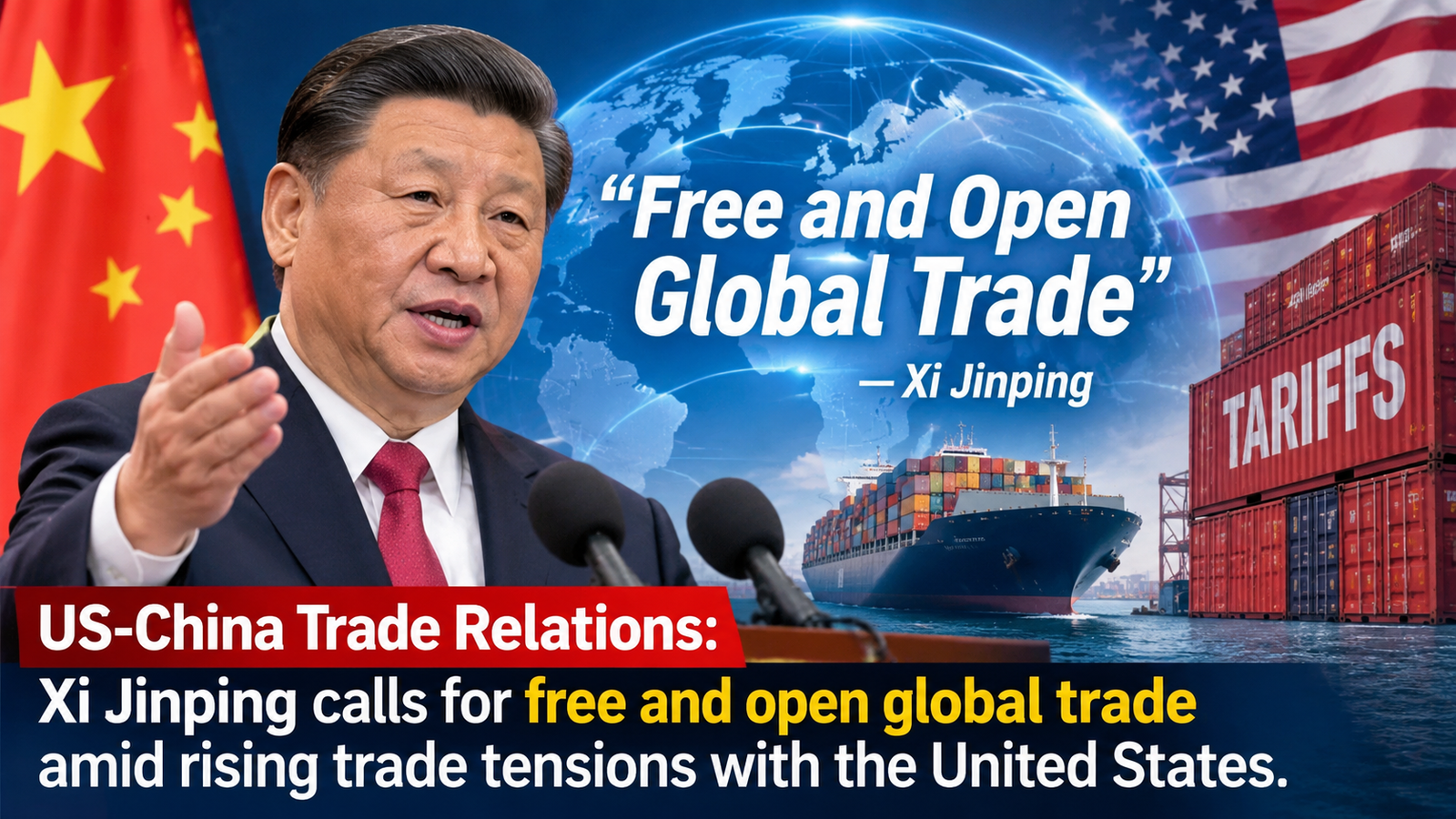
Chinese President Xi Jinping has called for free and open global trade, urging countries to reduce trade and investment barriers and strengthen international cooperation. His remarks come at a time when economic relations between China and the United States are facing renewed pressure over tariffs, advanced technology and access to global markets.
Speaking at the Asia-Pacific Economic Cooperation (APEC) CEO Summit in Shenzhen on November 18, 2026, Xi emphasised the importance of maintaining a rules-based multilateral trading system, with the World Trade Organization (WTO) at its centre. He also called for stable international supply chains and greater cooperation among economies across the Asia-Pacific region.
The statement highlights the importance of trade to the global economy while reflecting the continuing disagreements between the world’s two largest economies.
Xi Calls for Open Markets and International Cooperation
During his address to business leaders, Xi urged Asia-Pacific economies to support free trade and investment and avoid measures that could disrupt international commerce. He argued that countries should strengthen cooperation, maintain stable supply chains and support the role of international institutions in managing trade relations.
Xi also indicated that China would continue working to expand market access, lower tariffs and improve opportunities for foreign businesses in its manufacturing and services sectors. He called for deeper cooperation in digital trade, artificial intelligence and technological innovation.
These remarks are significant because businesses increasingly depend on international markets for raw materials, components, technology and customers. Predictable trade rules can help companies make long-term investment decisions, while sudden restrictions can increase costs and create uncertainty.
US-China Trade Tensions Continue
Despite calls for greater openness, trade relations between Washington and Beijing remain complicated. The two countries have disagreements over tariffs, industrial policies, technology exports and access to strategic supply chains.
A major source of recent tension is the United States’ decision to introduce tighter restrictions on China’s access to advanced artificial intelligence chips supplied by American companies, including Nvidia. Washington has presented export controls as measures linked to national security and technology protection. Beijing has criticised restrictions on its access to advanced technology and has indicated that it may respond.
The latest measures have placed additional pressure on the existing trade truce between the two countries. Although earlier negotiations helped reduce some immediate tensions, differences over technology and market access remain unresolved.
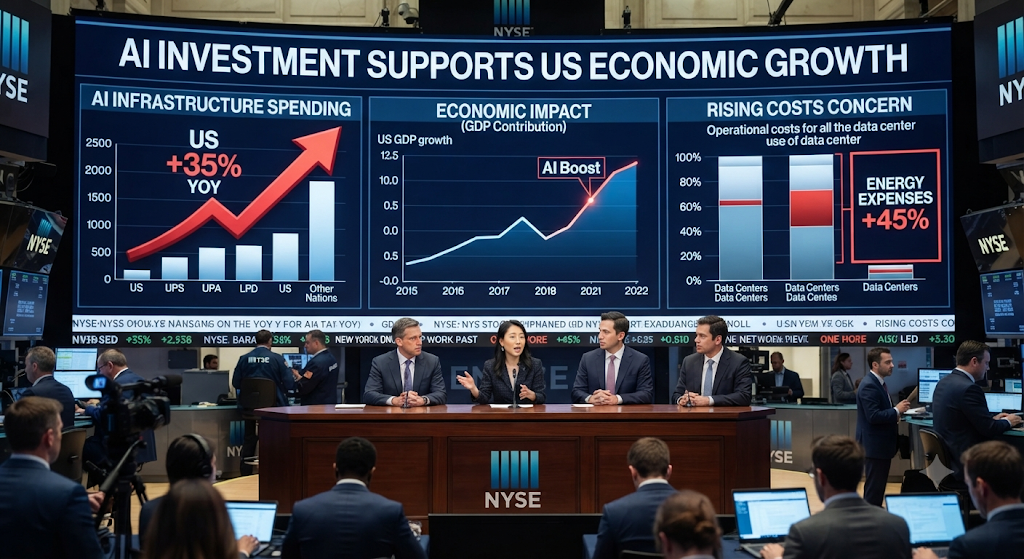
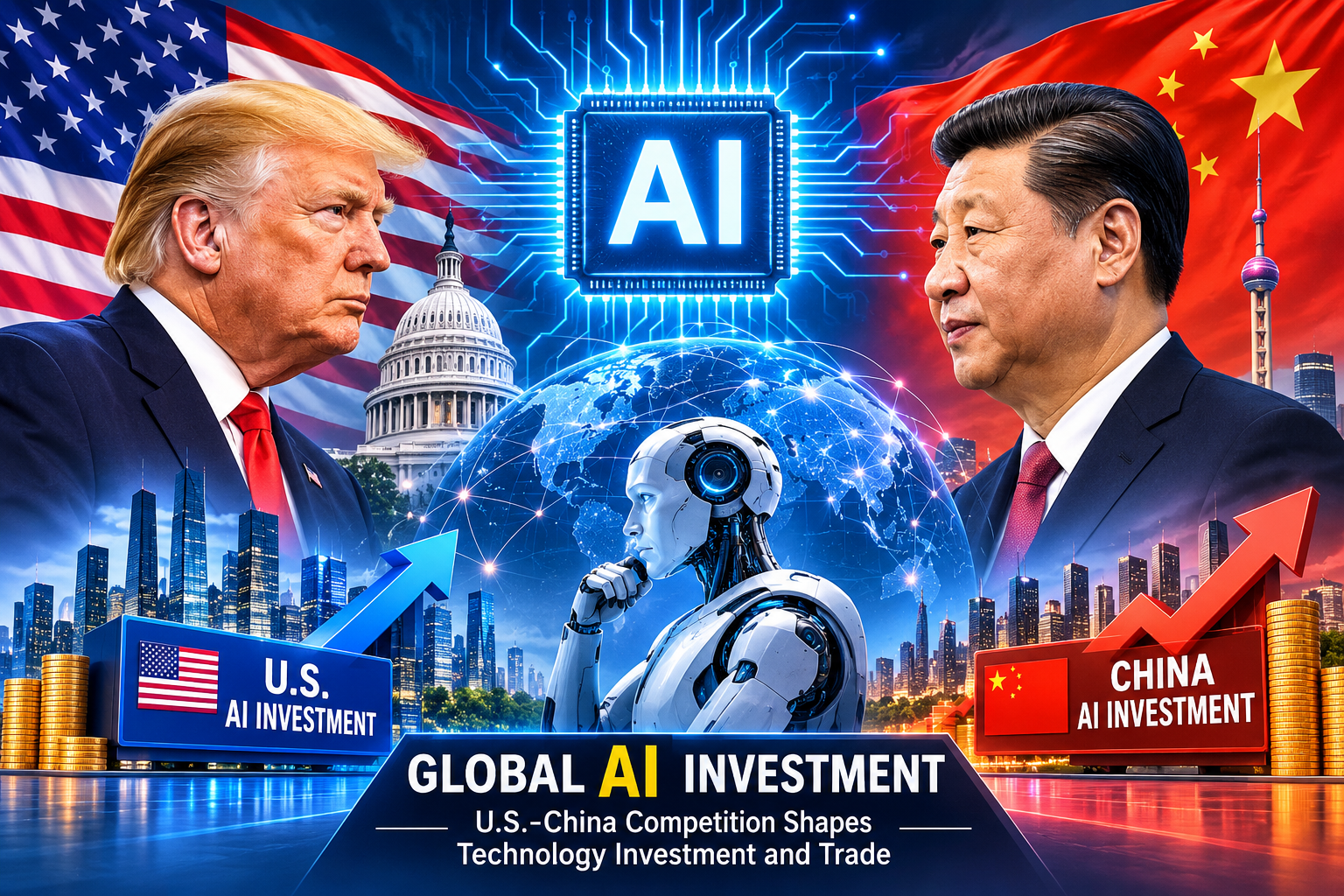
The disagreement also reflects a wider competition over technological leadership. Advanced semiconductors are essential for artificial intelligence, data centres, high-performance computing and several strategic industries. Restrictions on their supply can therefore affect companies and technology markets well beyond the United States and China.
Global Supply Chains Face Uncertainty
The economic relationship between the United States and China is deeply connected to international manufacturing and trade networks. China is a major manufacturing centre, while American companies and technology providers play an important role in global finance, software, research and advanced technology.
When trade restrictions affect important products or technologies, the consequences can spread across several industries. Manufacturers may need to identify alternative suppliers, adjust production plans or move some operations to other countries. These changes can increase costs and delay deliveries.
The uncertainty also affects businesses in third countries that depend on components, machinery or customers from both economies. Companies across Asia, Europe and other regions must consider the possibility of changing tariffs, export controls and investment rules when planning their operations.
However, supply-chain diversification can also create opportunities for economies seeking to attract new manufacturing investment. Countries with reliable infrastructure, skilled workers and predictable business regulations may benefit as companies reconsider where they source and produce goods.
Upcoming Talks Could Shape Trade Relations
Xi’s remarks at the APEC summit came ahead of planned talks involving US President Donald Trump and Russian President Vladimir Putin in Shenzhen on November 19. Trade, artificial intelligence and wider geopolitical issues are expected to feature in discussions between the leaders.
The meeting between Xi and Trump is particularly important because both countries have an interest in avoiding an uncontrolled deterioration in their economic relationship. Businesses in both markets depend on trade, investment and access to international supply networks.
However, reaching a lasting agreement may be difficult. Differences over tariffs, technology controls, industrial subsidies and market access involve long-term economic and strategic interests. Even if negotiations produce temporary arrangements, uncertainty may continue until the two sides establish more predictable rules.
Implications for the Global Economy
The United States and China are central to global economic activity. Changes in their trade relationship can influence commodity prices, manufacturing costs, investment flows and business confidence.
Higher tariffs can make imported products more expensive, while restrictions on technology exports can affect innovation and production across international markets. Prolonged uncertainty may also encourage companies to delay investment or reorganise supply chains.
At the same time, cooperation between the two economies could support international trade and reduce disruption. Stable commercial relations would benefit manufacturers, exporters and consumers by improving access to markets and maintaining predictable supply arrangements.
The wider challenge is to balance legitimate national economic and security concerns with the benefits of international cooperation. A fragmented global trading system could make production less efficient and raise costs for businesses and households.
Implications for India
The evolving US-China trade relationship presents both challenges and opportunities for India. As companies consider diversifying their manufacturing and sourcing networks, India has an opportunity to attract investment in sectors such as electronics, pharmaceuticals, automobiles, engineering goods and renewable energy.
India can strengthen its position by improving logistics infrastructure, simplifying business procedures, developing skilled labour and supporting competitive domestic manufacturing. Greater integration with international supply chains could help Indian companies expand exports and participate in higher-value production.
However, India is also exposed to disruptions in global trade. Many domestic industries depend on imported components, machinery and raw materials, some of which originate in China. Restrictions or delays affecting these supplies could increase production costs.
Maintaining balanced trade and diplomatic relationships with both major economies will therefore remain important. India can benefit from global supply-chain diversification while continuing to support predictable trade rules and multilateral cooperation.
The Worldonomics Times View
Xi Jinping’s call for free and open global trade comes at a time when international commerce is being shaped by strategic competition, technology restrictions and changing economic policies. The appeal for stronger cooperation reflects the importance of stable markets and reliable supply chains to businesses around the world.
However, statements supporting open trade must be matched by practical progress in reducing barriers, improving market access and providing predictable conditions for international businesses. The concerns raised by trading partners over industrial policies, market access and technology security also require constructive dialogue.
For the United States and China, maintaining communication and managing disagreements will be essential to preventing further disruption to global markets. Neither economy operates in isolation, and prolonged trade uncertainty can affect businesses and consumers far beyond their borders.
For India, the changing environment offers an opportunity to strengthen its manufacturing base and attract investment, provided it continues to improve competitiveness and infrastructure.
Ultimately, the future of global trade will depend on whether major economies can manage strategic differences while preserving the benefits of international economic cooperation. Open markets, transparent rules and stable supply chains remain important foundations for sustainable global growth.