The Worldonomis Times | Economic Analysis
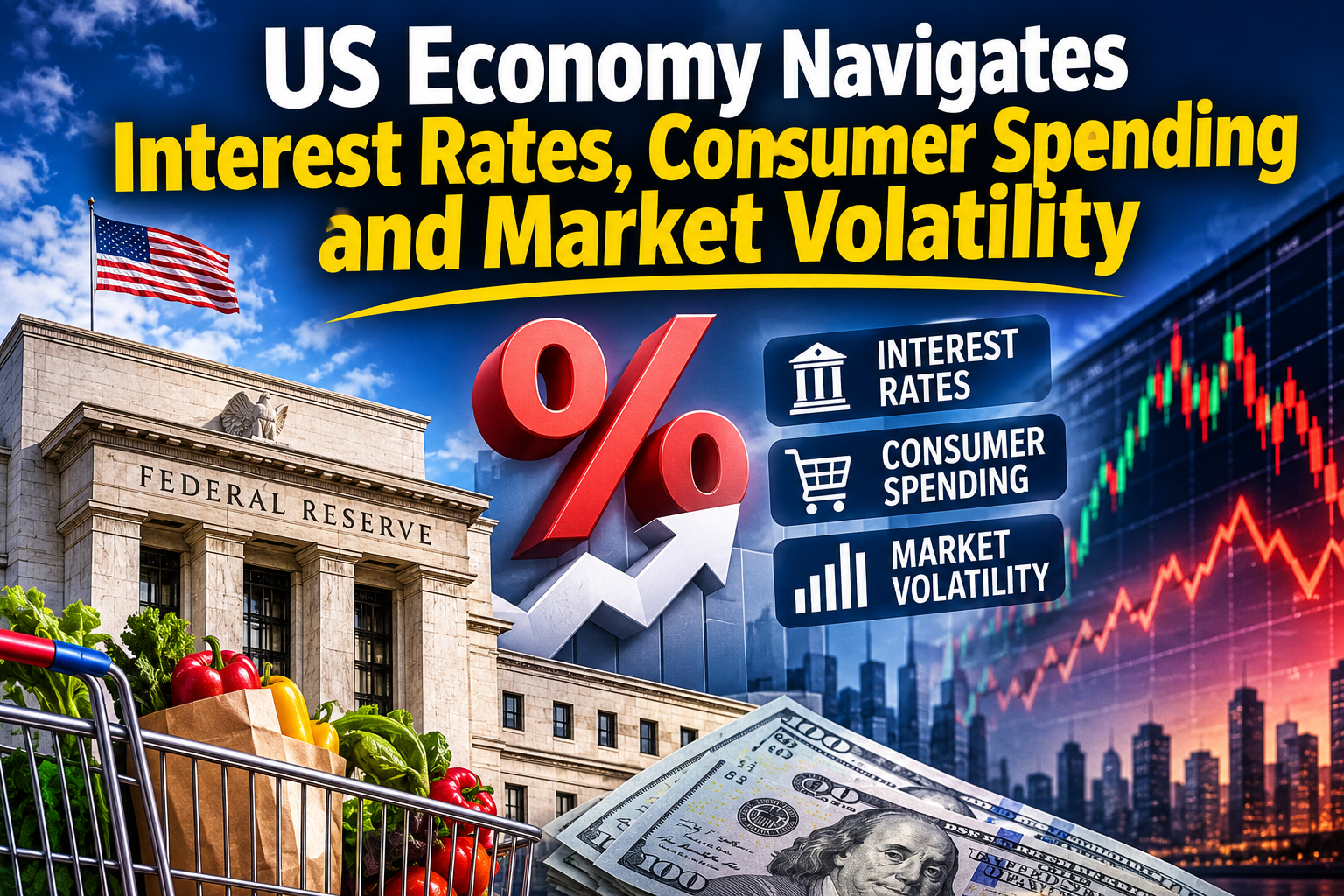
The United States economy is navigating a complex economic environment shaped by persistent inflation, elevated interest rates, changing consumer spending patterns and growing financial market volatility. Despite these challenges, the world’s largest economy continues to demonstrate considerable resilience, supported by household consumption, business investment and technological advancements. However, beneath the encouraging growth figures, underlying economic pressures are creating uncertainty about the country’s financial direction in the months ahead.
As November 2026 unfolds, policymakers, investors and businesses are closely monitoring economic indicators to understand whether the current expansion can be sustained without reigniting inflationary pressures.
Interest Rates Remain a Central Economic Concern
Monetary policy continues to play a crucial role in determining the direction of the US economy. The Federal Reserve has maintained its federal funds target range at 3.75% to 4.00% following its October policy meeting, reflecting the challenge of balancing economic growth with price stability.
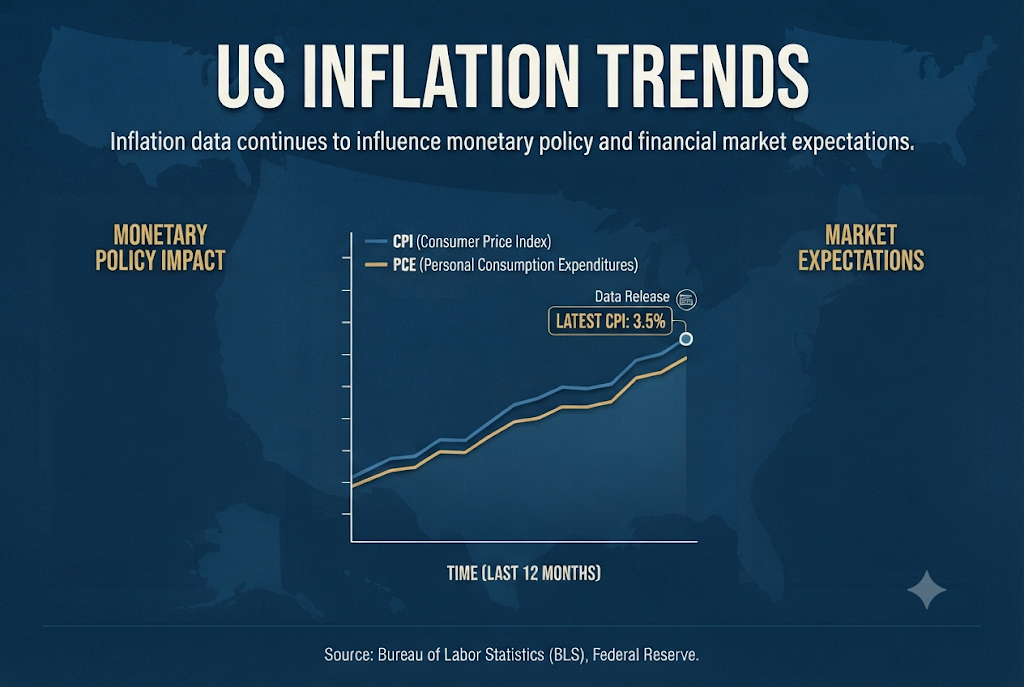
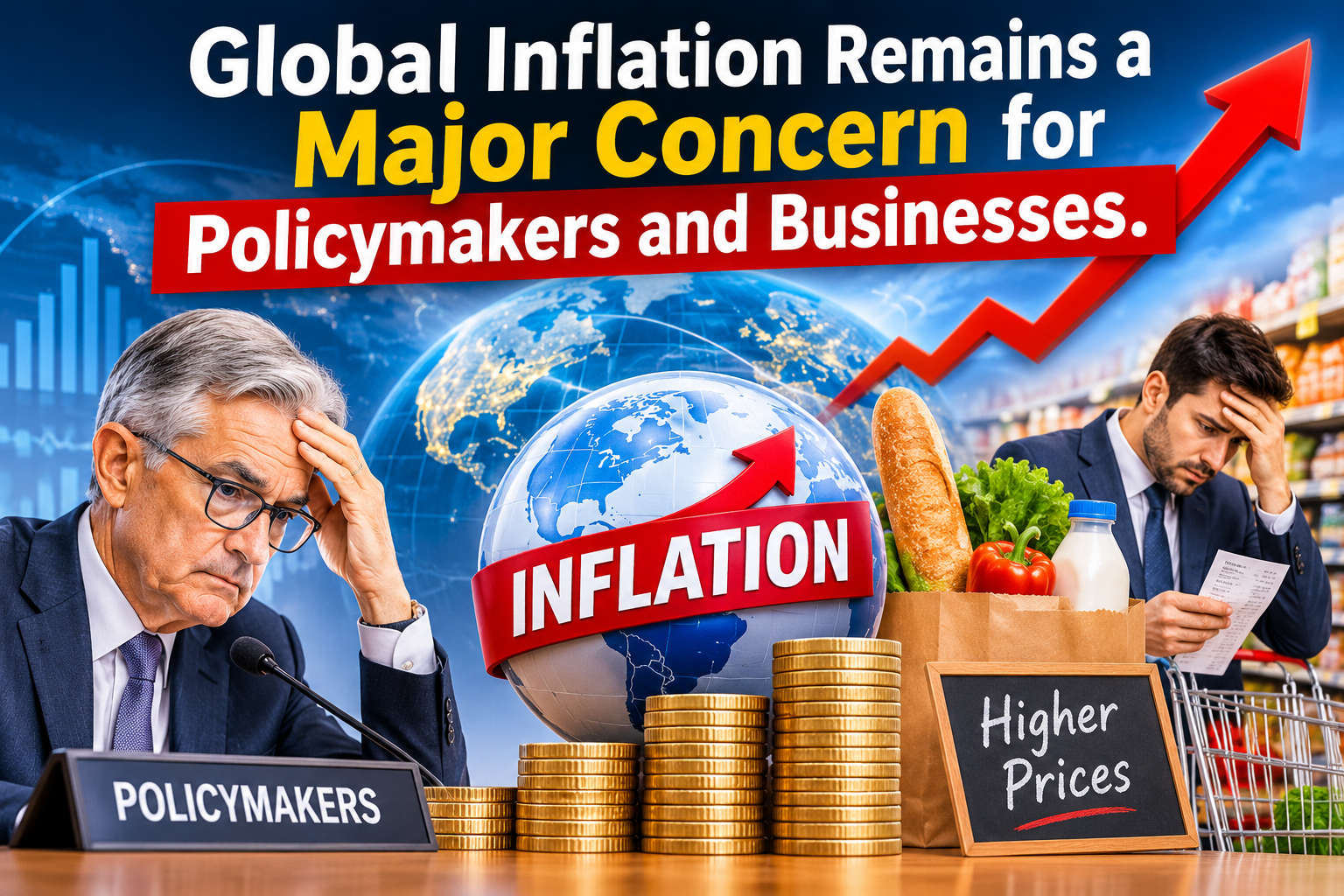
Although monetary policy adjustments in recent periods have influenced borrowing conditions, inflation remains above the Federal Reserve’s long-term 2% target. The Personal Consumption Expenditures (PCE) price index recorded annual inflation of 3.6% in September 2026, indicating that the fight against rising prices remains unfinished.
Higher interest rates have increased borrowing costs for households and businesses. Mortgage payments, automobile financing, credit card debt and corporate loans continue to influence spending and investment decisions. Small businesses, particularly those dependent on external financing, face additional pressure when borrowing becomes expensive.
At the same time, keeping rates sufficiently restrictive helps prevent inflation from becoming further embedded in the economy. The Federal Reserve therefore faces a difficult policy decision: easing too quickly could encourage renewed inflation, while maintaining restrictive conditions for too long could weaken employment, investment and consumer demand.
Consumer Spending: The Backbone of Economic Growth
Consumer spending remains one of the strongest pillars supporting the US economy. Household consumption accounts for a substantial share of economic activity, making its performance essential to overall growth.
Recent economic developments indicate that American consumers have continued spending despite higher prices, elevated energy costs and relatively expensive credit. Stronger household consumption has helped sustain economic momentum, while increased investment in artificial intelligence infrastructure and technology has provided additional support.
According to recent Federal Reserve assessments, US economic growth accelerated during 2026, with real GDP expanding at an annualised rate of 3.4% in the third quarter.
However, consumer resilience is not equally distributed. Higher-income households, supported by financial assets and accumulated wealth, have generally maintained stronger spending capacity. Meanwhile, lower- and middle-income households are experiencing greater pressure from essential expenses, including housing, groceries, healthcare, transportation and utilities.
This growing divide raises questions about the sustainability of consumption-led growth. If household savings weaken and purchasing power continues to face pressure, consumer demand could gradually lose momentum.
The upcoming holiday shopping season will provide another important indication of consumer confidence and spending behaviour.
Financial Markets Face Renewed Volatility
Financial markets have experienced considerable uncertainty as investors assess inflation, interest-rate expectations, geopolitical developments and corporate earnings.
Equity markets, particularly technology-related stocks, remain sensitive to changing expectations surrounding artificial intelligence investment. While substantial spending on AI infrastructure has supported business investment and market optimism, questions remain about whether future productivity gains and corporate revenues will justify current valuations.
A significant correction in technology stocks could affect broader market sentiment, particularly because major technology companies represent an influential share of US equity market valuations.
Bond markets are also responding to changing expectations about monetary policy and government borrowing requirements. Rising long-term Treasury yields can increase financing costs throughout the economy, placing additional pressure on mortgage rates, corporate investment and government debt servicing.
Consequently, market volatility is no longer simply an investor concern. Changes in asset prices can influence household wealth, business confidence and the broader financial conditions that determine economic growth.
Employment and Business Investment Provide Support
The American labour market has shown signs of stabilisation. Unemployment stood at 4.1% in October 2026, suggesting that employment conditions remain relatively stable despite previous economic uncertainty.
Nevertheless, the labour market presents a mixed picture. Hiring activity has improved in certain sectors, while businesses remain cautious about expanding their workforce amid uncertain costs and future demand.
Meanwhile, investment in artificial intelligence, data centres, advanced computing and digital infrastructure has emerged as a significant growth driver. These investments have strengthened demand for technology equipment, energy infrastructure and specialised services.
However, excessive concentration of business investment in a limited number of technology-related sectors could create vulnerabilities. Sustainable economic expansion will require broader investment across manufacturing, infrastructure, healthcare, education and small businesses.
The Road Ahead: Balancing Growth and Stability
Looking ahead, the US economic outlook will depend on how effectively policymakers manage the relationship between inflation, interest rates, employment and consumer confidence.
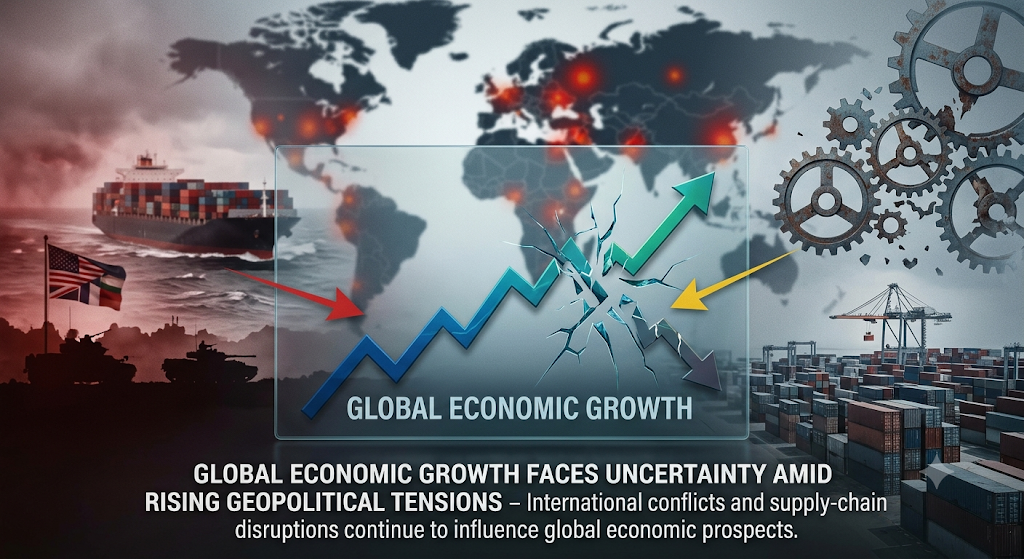
Persistent energy prices, international trade uncertainties and geopolitical tensions could create additional inflationary pressure. Meanwhile, elevated borrowing costs may continue to restrict activity in housing and other interest-sensitive sectors.
The Federal Reserve must remain responsive to incoming economic data rather than commit prematurely to a particular interest-rate direction. Similarly, businesses need to maintain financial discipline, diversify investment and focus on productivity rather than relying exclusively on favourable market conditions.
For investors, the present environment highlights the importance of diversification, careful risk assessment and a long-term perspective.
The Worldonomis Times View
The US economy is demonstrating resilience, but resilience should not be confused with complete economic stability. Strong GDP growth, continued consumer spending and technological investment provide encouraging signs. Nevertheless, persistent inflation, expensive borrowing, uneven household purchasing power and financial market volatility remain important concerns.
The greatest challenge for American policymakers is not simply maintaining economic growth; it is ensuring that growth remains sustainable, inclusive and financially balanced.
Interest-rate decisions must reflect the realities faced by households and businesses, while financial markets must increasingly distinguish between genuine technological progress and excessive investment expectations.
In our assessment, the coming months will be particularly important in determining whether the United States can maintain its economic momentum without triggering another inflationary cycle. A measured monetary policy, responsible fiscal management, broader investment opportunities and stronger household purchasing power will be essential.
Ultimately, the strength of the US economy will not be measured solely by stock market performance or headline GDP figures. Its true foundation will be the ability of ordinary households to maintain financial security, businesses to invest confidently and policymakers to preserve long-term economic stability.
The road ahead remains promising, but achieving sustainable prosperity will require careful decisions, balanced policies and resilience across every major sector of the American economy.