By The Worldonomics Times
Category: Global Economy | November 2026
The global economic outlook remains uncertain as countries navigate changing financial conditions, geopolitical tensions, inflationary pressures and evolving trade relationships. Governments and central banks are working to maintain economic stability while encouraging investment, employment and sustainable growth.
Although many economies continue to demonstrate resilience, the pace of recovery and expansion differs across regions. Advanced economies are managing inflation, borrowing costs and public debt, while developing nations face challenges involving infrastructure investment, currency movements and access to affordable finance.
Businesses and investors are also adjusting their strategies in response to changing market conditions. Decisions involving production, hiring, international trade and capital investment increasingly depend on economic stability and policy predictability.
As countries prepare for the coming years, balancing short-term financial pressures with long-term development priorities remains a central economic challenge.
Global Growth Faces Multiple Challenges
The global economy is influenced by several interconnected factors, including consumer demand, industrial production, international trade, investment and government spending.
Economic performance varies significantly between countries. Some economies benefit from strong domestic consumption, expanding services industries and technological investment, while others face weaker demand, limited fiscal resources and structural constraints.
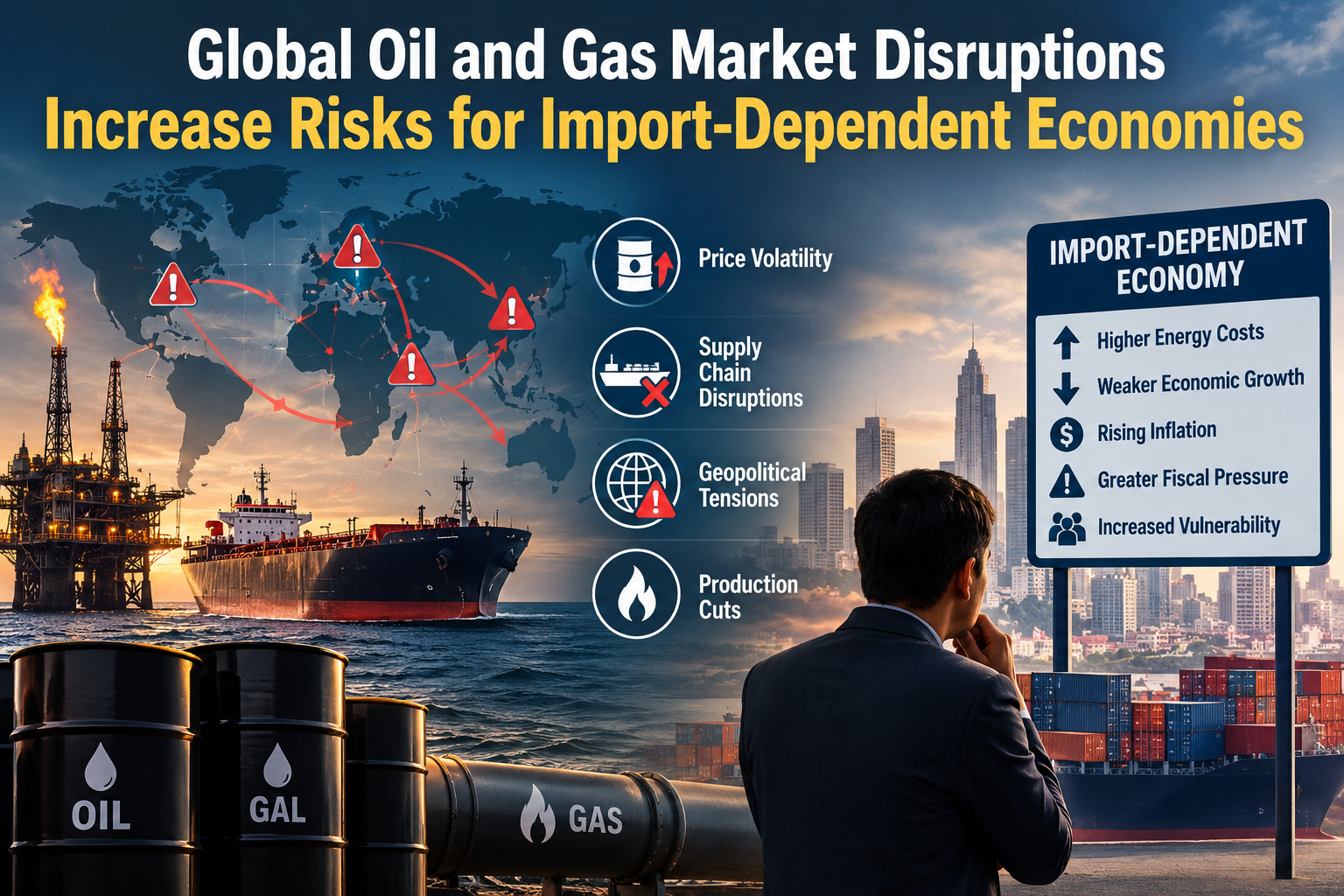
Geopolitical tensions and disruptions to international supply chains can also affect production costs and business confidence. Changes in energy prices, transportation expenses and access to essential raw materials may influence inflation and industrial activity.
These conditions make economic planning more complicated for governments and businesses. Policymakers must remain flexible while ensuring that decisions support long-term economic resilience.
Inflation and Interest Rates Remain Important Concerns
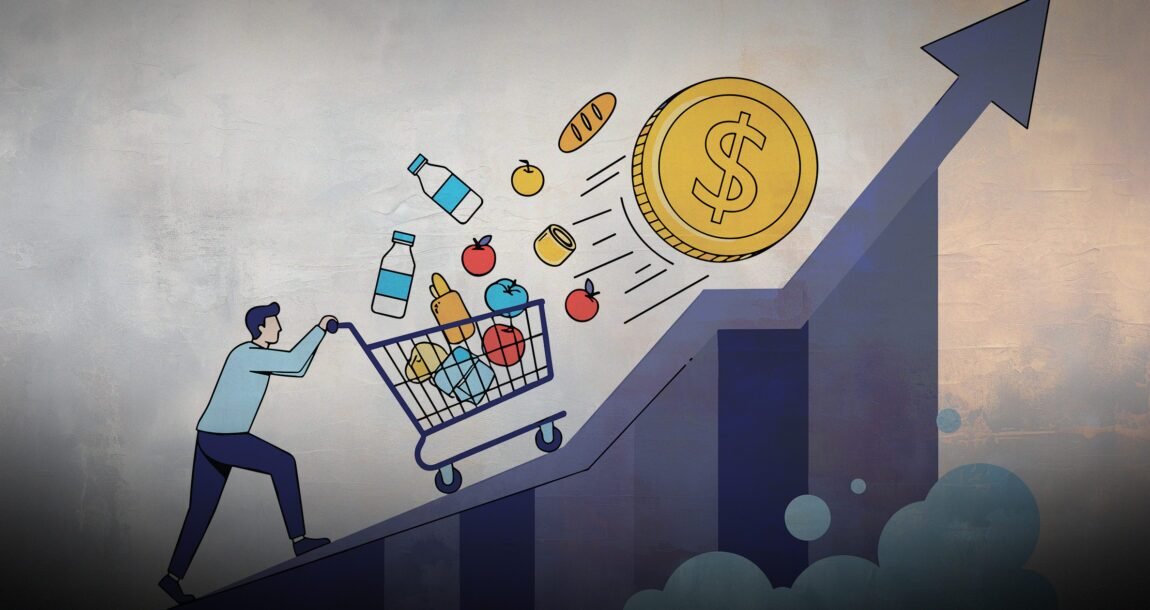
Inflation continues to be an important consideration for economic policymakers. Rising prices can reduce household purchasing power, increase business operating costs and create uncertainty for consumers.
Central banks use monetary policy tools, including interest rate adjustments, to maintain price stability. However, decisions about interest rates require careful consideration.
Higher interest rates can help moderate inflationary pressures, but they may also increase borrowing costs for households and businesses. This can affect housing demand, corporate investment and consumer spending.
On the other hand, reducing interest rates too quickly may create risks if inflation remains persistent.
Central banks therefore face the challenge of supporting economic activity while maintaining confidence in the value of money. Clear communication and predictable policy decisions are essential for financial stability.
International Trade and Investment Face Uncertainty
International trade remains a major contributor to global economic activity, but changing trade policies and geopolitical developments are influencing business relationships.
Governments are increasingly focusing on domestic manufacturing, strategic industries and supply chain security. Companies are responding by diversifying suppliers, exploring new production locations and reassessing international investment plans.
While these adjustments can strengthen economic resilience, they may also increase costs and create short-term uncertainty.
Foreign investment is similarly influenced by regulatory stability, infrastructure quality, market access and financial conditions. Countries that provide transparent policies and reliable business environments may be better positioned to attract long-term capital.
Strengthening trade partnerships and maintaining predictable regulations will be important for supporting international business confidence.
Developing Economies Face Distinct Pressures
Developing economies often experience a different combination of economic challenges compared with advanced nations.
Many emerging markets require substantial investment in transportation, energy, healthcare, education and industrial infrastructure. However, limited public revenues and higher borrowing costs can restrict the resources available for development.
Currency volatility can create additional pressure, particularly for countries that depend on imported energy, machinery and essential commodities. A weaker domestic currency may increase import costs and make foreign-currency debt more expensive to service.
At the same time, emerging economies offer significant opportunities through expanding consumer markets, young workforces, urbanisation and industrial development.
Strengthening domestic production, improving financial systems and attracting productive investment can help these countries build more resilient economies.
India Focuses on Stability and Long-Term Growth
India remains an important participant in the global economic landscape, supported by domestic consumption, infrastructure development, services, manufacturing and digital transformation.
Investment in roads, railways, logistics, renewable energy and industrial facilities can improve productivity and strengthen economic connectivity. The expansion of digital services and technology-based businesses also creates opportunities for entrepreneurship and employment.
However, India must continue addressing challenges involving job creation, skills development, agricultural productivity, manufacturing competitiveness and income disparities.
Maintaining macroeconomic stability, encouraging private investment and improving the ease of doing business will remain important for sustaining growth.
India’s economic progress will also depend on its ability to strengthen international trade relationships and participate more deeply in global supply chains.
Technology and Energy Transition Shape Future Growth
Technological innovation is becoming an increasingly important influence on economic performance. Artificial intelligence, automation, digital payments and advanced manufacturing can help businesses improve productivity and develop new products and services.
However, technology adoption requires investment in infrastructure, cybersecurity and workforce training. Without adequate preparation, the benefits of innovation may remain concentrated among larger businesses and highly skilled workers.
The transition towards cleaner energy is another important economic priority. Investment in solar and wind power, electricity storage, modern grids and energy-efficient technologies can create new industries and reduce exposure to certain energy supply risks.
Countries must balance the costs of this transition with the need to maintain affordable and reliable energy supplies.
Government Policies and Economic Stability
Governments play a central role in creating conditions that support economic growth. Fiscal discipline, effective public investment and transparent regulations can strengthen confidence among businesses and investors.
Public spending on infrastructure, education and healthcare can improve long-term productivity when projects are carefully selected and efficiently implemented.
Governments must also ensure that economic development benefits a broad section of society. Employment opportunities, access to essential services and support for small businesses are important elements of inclusive growth.
International cooperation can further strengthen stability by supporting trade, financial coordination, technology exchange and development financing.
The Worldonomics Times View
At The Worldonomics Times, we believe that the global economy is entering a period in which stability and adaptability will be just as important as the pursuit of rapid growth.
Governments must manage inflation, public debt and financial risks without weakening investment in essential development priorities. Businesses need predictable policies and access to reliable infrastructure, while households require stable employment and affordable living conditions.
Developing economies should receive greater opportunities to participate in international trade, attract productive investment and access modern technologies.
The Worldonomics Times believes that sustainable economic progress depends on responsible policymaking, strong institutions, productive investment and international cooperation.
Conclusion
The global economic outlook remains uncertain as countries respond to inflation, changing trade policies, geopolitical risks and uneven growth conditions.
Although these challenges create pressure on governments and businesses, they also highlight the importance of economic diversification, technological innovation and long-term planning.
Countries that maintain financial stability while investing in infrastructure, skills, industry and innovation can strengthen their ability to manage future disruptions.
Ultimately, the success of the global economy will depend on creating a balance between stability and growth, ensuring that economic progress remains sustainable, inclusive and beneficial for future generations.