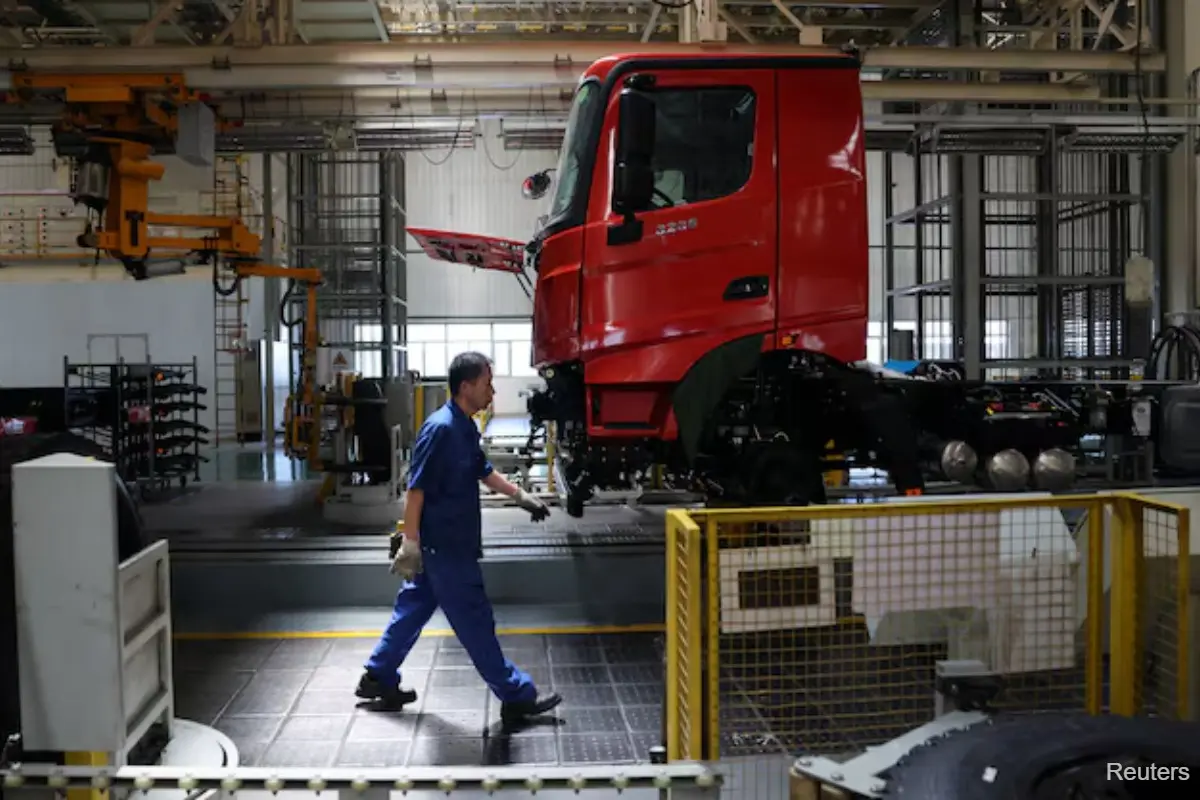
Manufacturing sectors are showing resilience, although higher energy prices and supply-chain disruptions are affecting profitability.
By The Worldonomics Times | Global Economy
Global manufacturing activity continues to demonstrate resilience despite rising energy prices, supply-chain disruptions and increasing production expenses. Factories across several major economies are reporting higher output and stronger demand, supported by technology investment, infrastructure development and international trade. However, the recovery remains uneven, with manufacturers facing growing pressure on profit margins as the cost of raw materials, electricity, transportation and labour increases.
The latest manufacturing surveys indicate that global industrial production maintained a strong expansion in October 2026. According to S&P Global’s JPMorgan Global Manufacturing Purchasing Managers’ Index (PMI), worldwide factory output continued to grow at one of its strongest rates in approximately five years. Production increased for the fifteenth consecutive month, reflecting sustained demand across several industrial sectors.
Nevertheless, the manufacturing outlook remains uncertain as businesses attempt to balance higher production volumes with rising operating costs and unpredictable international supply conditions.
Global Manufacturing Shows Stronger Activity
Manufacturing has remained an important contributor to economic activity, supporting employment, exports, infrastructure development and industrial investment.
The October 2026 PMI surveys indicated that global manufacturing production continued to expand at a robust pace. New orders also remained relatively strong, although they eased slightly from September’s recent peak.
In the United States, the Institute for Supply Management reported that its Manufacturing PMI increased to 55.5 in October, compared with 54.5 in September. This marked the tenth consecutive month of expansion. The production index rose to 59.0, while new orders remained in growth territory.
These figures suggest that American manufacturers continue to benefit from domestic demand, investment in technology and expanding industrial requirements.
In Europe, manufacturing activity also remained in expansion territory. The eurozone manufacturing PMI stood at 52.7 in October, indicating continued growth despite higher energy and input costs.
However, industrial performance differs considerably across countries and sectors. Some manufacturers are benefiting from strong international demand, while others are struggling with weaker consumer spending and expensive production inputs.
Higher Energy Prices Increase Production Expenses
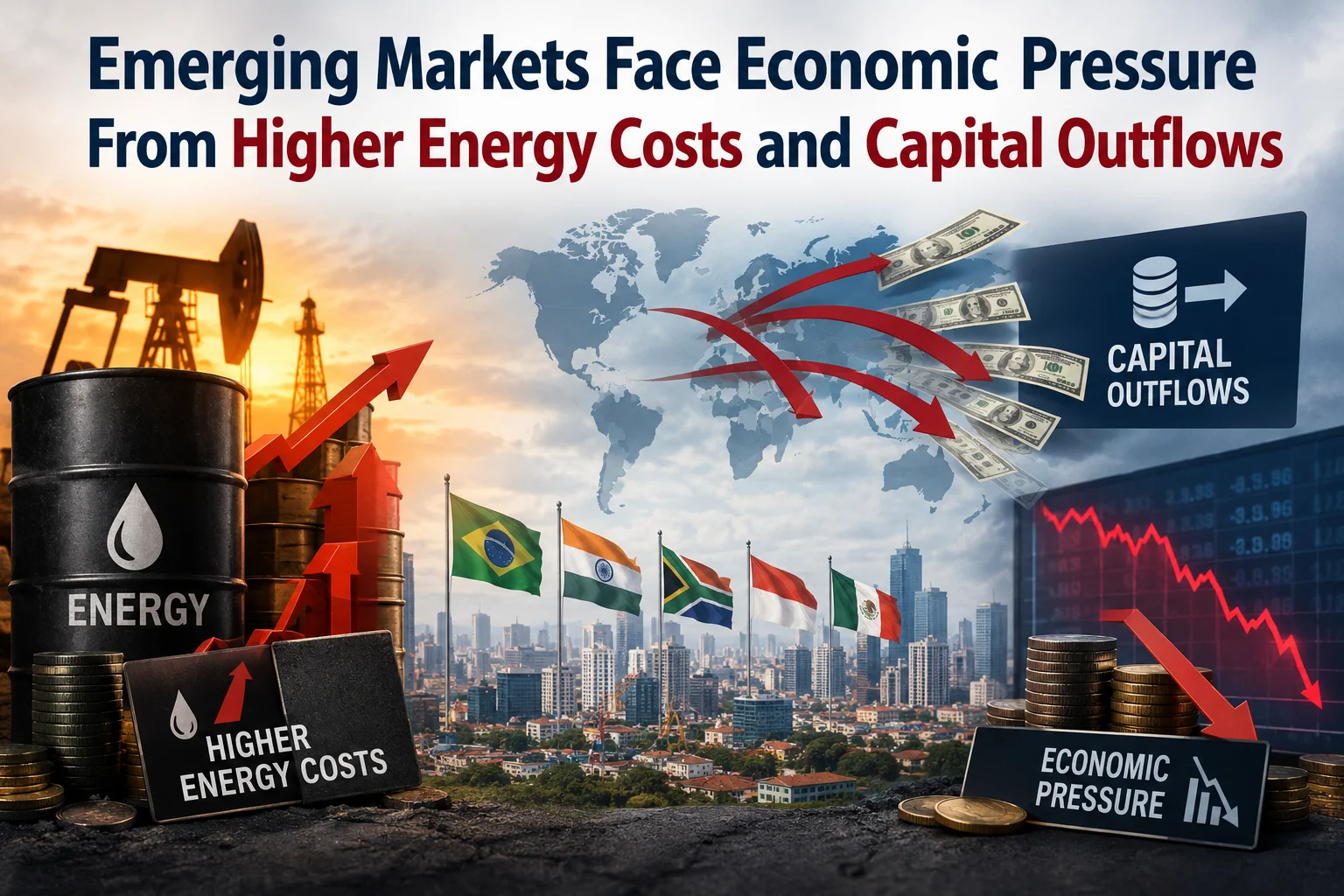
One of the biggest challenges facing manufacturers is the rising cost of energy. Industrial facilities depend on electricity, natural gas, diesel and other energy sources to operate machinery, maintain production lines and transport finished products.
Energy-intensive industries such as steel, chemicals, cement, aluminium and automotive manufacturing are particularly vulnerable to higher fuel and electricity prices.
Recent geopolitical tensions have increased uncertainty in international energy markets, contributing to higher operating expenses for businesses. Manufacturers that rely heavily on imported energy are especially exposed to price fluctuations and supply disruptions.
When energy costs increase, companies generally have three choices: absorb the additional expenses, improve operational efficiency or pass higher costs on to customers.
Absorbing the increase can reduce profitability, while raising product prices may weaken competitiveness and reduce demand. As a result, manufacturers are increasingly focusing on energy efficiency, production planning and cost management.
Supply-Chain Disruptions Affect Industrial Performance
Global manufacturing depends on interconnected supply chains that connect raw-material suppliers, component manufacturers, transport operators and final-product distributors.
Disruptions in international shipping routes, geopolitical tensions and delays in the delivery of essential materials can interrupt production schedules and increase procurement costs.
S&P Global’s October manufacturing assessment reported that supplier delivery times remained extended in several markets, with input shortages and capacity constraints affecting manufacturers.
These difficulties are particularly important for industries that depend on specialised components, electronic equipment, semiconductors and imported industrial materials.
For example, automobile manufacturers require a steady supply of electronic components, batteries, metals and other specialised inputs. A shortage of even one critical component can delay the completion of an entire production line.
To reduce these risks, companies are diversifying suppliers, increasing strategic inventories and exploring alternative sourcing locations. Although these measures can improve supply-chain resilience, they may also increase working-capital requirements and operating costs.
Technology Investment Supports Manufacturing Growth
Despite these challenges, investment in advanced technology is providing important support to global manufacturing.
Artificial intelligence, automation, robotics and digital production systems are helping businesses improve efficiency, reduce waste and strengthen quality control.
Demand for semiconductors, data-centre equipment and advanced electrical components has also created new opportunities for industrial producers.
Manufacturers supplying equipment for artificial intelligence infrastructure and defence-related projects are experiencing comparatively strong demand. According to S&P Global’s November 3 assessment, these investment-related industries have performed more strongly than several consumer-oriented manufacturing segments.
Technology adoption is also changing traditional manufacturing processes. Smart factories can use real-time data to monitor machinery, identify operational problems and improve inventory management.
Over time, these developments may help companies offset some of the financial pressure created by rising energy and labour costs.
Impact on Employment, Trade and Economic Growth
Manufacturing expansion can support employment, exports and wider economic development. Higher industrial production creates demand for workers, raw materials, transportation, logistics and business services.
However, rising costs and uncertain demand may limit companies’ willingness to recruit additional employees or expand production capacity.
The impact is particularly important for export-oriented economies, where manufacturing competitiveness depends on production costs, exchange rates and international demand.
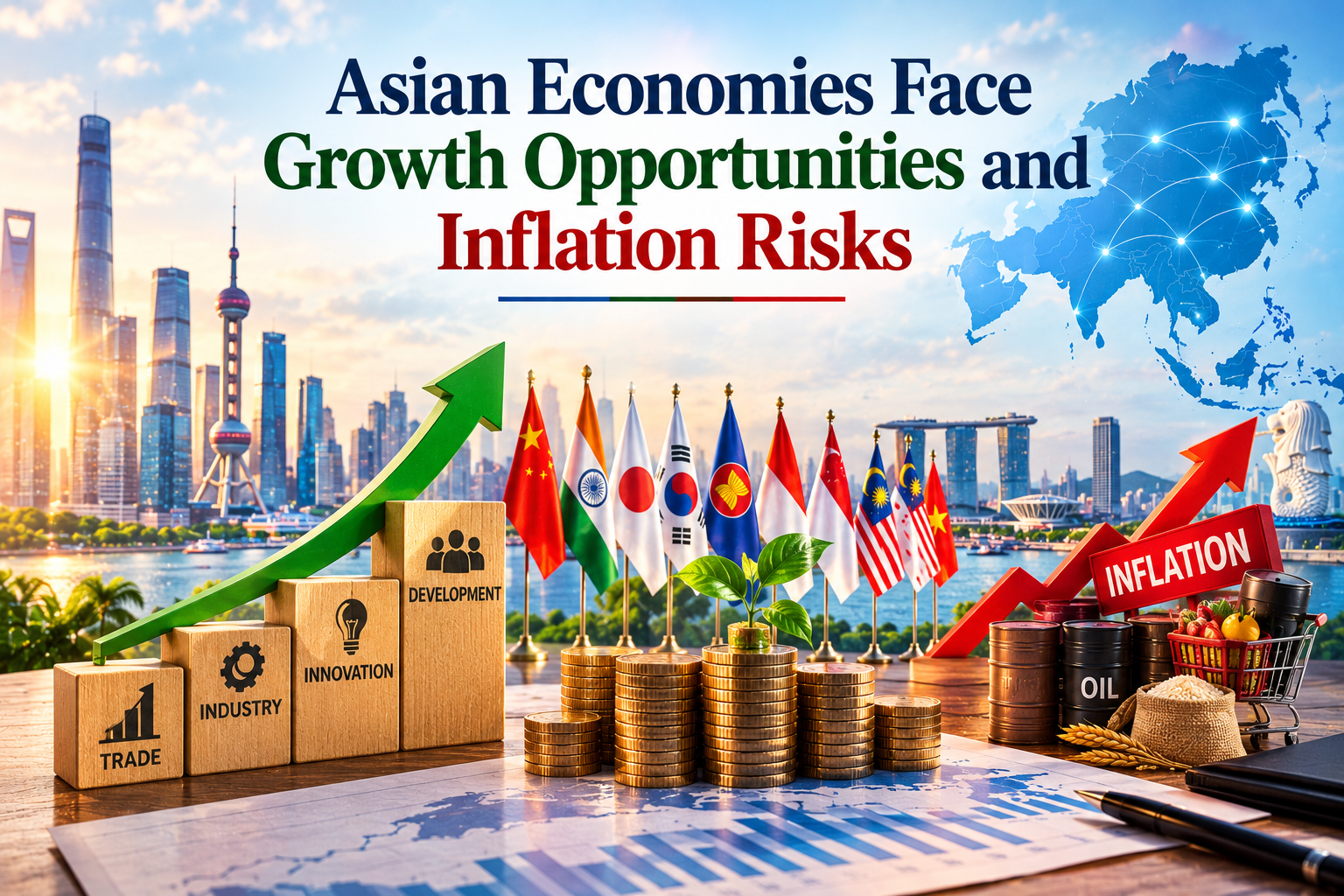
In Asia, manufacturing activity continued to expand in October, although growth slowed in several major economies, including China, Japan, South Korea and Taiwan. India also experienced slower manufacturing growth, with stronger export orders partly offsetting weaker domestic demand and hiring.
These differences demonstrate that global manufacturing is not following a uniform recovery. Countries with strong technology exports and diversified industrial bases may be better positioned than economies that depend heavily on energy-intensive production or a narrow range of exports.
The Worldonomics View
The continued expansion of global manufacturing is a positive sign for the international economy, but stronger production does not necessarily mean that manufacturers are financially secure.
Rising energy prices, transportation expenses and supply-chain delays are creating a difficult operating environment. Companies may report higher sales and production volumes while experiencing weaker profit margins.
Manufacturers should therefore focus on building resilience alongside expanding output. Investment in automation, energy-efficient equipment, supplier diversification and better inventory management can help businesses reduce exposure to external shocks.
Governments also have an important role to play by supporting reliable energy infrastructure, improving transport networks and maintaining predictable trade policies.
The long-term strength of global manufacturing will depend not only on demand but also on the industry’s ability to manage costs, improve productivity and adapt to changing international conditions.
Conclusion
Global manufacturing activity continues to expand despite higher energy prices, supply-chain disruptions and increasing production costs. Strong demand for technology-related products, industrial equipment and infrastructure materials is supporting factory output across several major economies.
However, the recovery remains uneven, and rising input expenses are putting pressure on business profitability. Manufacturers that successfully combine technological investment with efficient operations and resilient supply chains will be better positioned to manage future uncertainty.
As global economic conditions continue to evolve, manufacturing will remain a key indicator of industrial confidence, international trade and the broader strength of the world economy.