Eurozone economic growth slowed in October, with weaker services activity and declining employment adding to concerns.
By The Worldonomics Times | Global Economy
The Eurozone economy began the final quarter of 2026 with signs of slowing business activity as weaker consumer demand, rising energy costs and declining employment increased concerns about the region’s economic outlook. Although private-sector activity continued to expand, the pace of growth weakened considerably in October, suggesting that businesses are facing a more challenging operating environment.
The latest economic surveys indicate that demand for goods and services is losing momentum. Households are becoming more cautious about spending, while companies are facing higher operating expenses and uncertainty about future sales. These developments are creating additional pressure on Europe’s manufacturing and services industries at a time when the region is attempting to maintain economic stability.
Business Activity Records a Slower Expansion
According to S&P Global’s final October 2026 Purchasing Managers’ Index (PMI) survey, the Eurozone Composite PMI declined to 51.7 from 53.1 in September. This represented the weakest rate of private-sector expansion in four months.
Although a PMI reading above 50 indicates expansion, the decline suggests that economic momentum is weakening. The slowdown was visible across both manufacturing and services, indicating that businesses throughout the region are experiencing less favourable conditions.
New business orders increased only marginally, following stronger growth during the previous three months. Export orders continued to rise for a third consecutive month, but their growth also lost momentum.
The services sector experienced a particularly noticeable slowdown. Its PMI fell to 51.4 in October from 53.0 in September, reflecting weaker demand and a more cautious business environment.
Economists estimated that the latest survey was consistent with quarterly economic growth of approximately 0.3% at the beginning of the fourth quarter. While this indicates continued expansion, it also highlights the region’s limited growth momentum.
Consumer Demand Weakens Amid Rising Living Costs
Consumer spending remains an important driver of economic activity across the Eurozone. However, households are facing renewed financial pressure from higher energy prices, transportation expenses and the cost of everyday goods and services.
The European Commission reported that the Eurozone Economic Sentiment Indicator declined by 0.6 points to 96.9 in October, marking its second consecutive monthly decrease. Its flash consumer confidence indicator also weakened by 1.1 percentage points to -17.9, moving further below its long-term average.
These figures indicate growing caution among consumers. When households become uncertain about their financial circumstances, they may reduce discretionary spending, postpone major purchases and increase savings.
Such behaviour can affect businesses across retail, hospitality, tourism, transportation and other consumer-facing industries. Lower sales may also discourage companies from expanding operations or hiring additional workers.
The combination of weaker confidence and rising household expenses therefore represents an important risk to the Eurozone’s near-term economic performance.
Services Sector Faces Increasing Challenges
The services industry is one of the largest contributors to economic activity across the Eurozone. It includes banking, tourism, transportation, hospitality, professional services, information technology and other business activities.
The October PMI figures showed that services growth slowed considerably, with weaker new business inflows and declining employment adding to concerns.
France experienced particularly difficult conditions, returning to contraction after a brief improvement in September. Germany, Italy, Spain and Ireland continued to record growth, although their expansion rates also weakened.
The slowdown is significant because services businesses depend heavily on domestic consumer demand and confidence. If households reduce spending, companies may experience lower revenues and become more cautious about investment and recruitment.
At the same time, higher energy and transportation expenses are increasing operating costs for many service providers. Businesses must decide whether to absorb these additional expenses or pass them on to customers through higher prices.
Employment Weakness Raises Economic Concerns
Employment conditions are another important indicator of economic health. The October PMI survey showed that Eurozone employment declined slightly, with services companies leading the reduction in workforce numbers. Manufacturing employment also remained under pressure.
Weaker hiring can have broader economic consequences. When companies become cautious about recruitment, household income growth may slow and consumer confidence can deteriorate further.
A less favourable employment environment can also affect younger workers and people entering the labour market, particularly in industries experiencing technological and structural changes.
However, the employment picture is not uniformly negative. The European Commission’s October survey showed that its Employment Expectations Indicator improved by 0.7 points to 98.2 in the Eurozone. This suggests that businesses’ hiring expectations were somewhat better even as actual employment in the PMI survey weakened.
The difference highlights the uncertainty surrounding the region’s labour market.
Rising Energy Costs Add to Inflationary Pressure
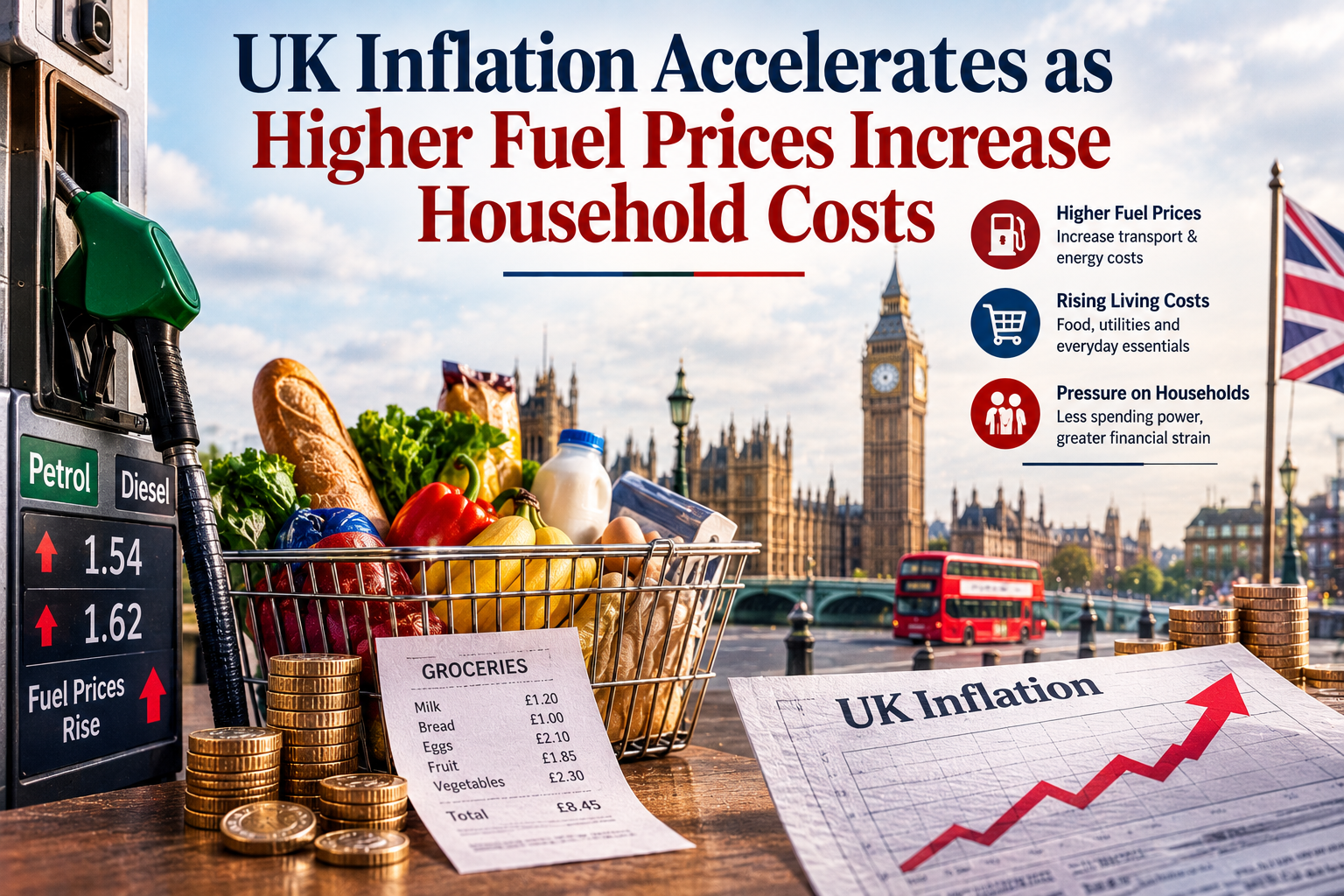
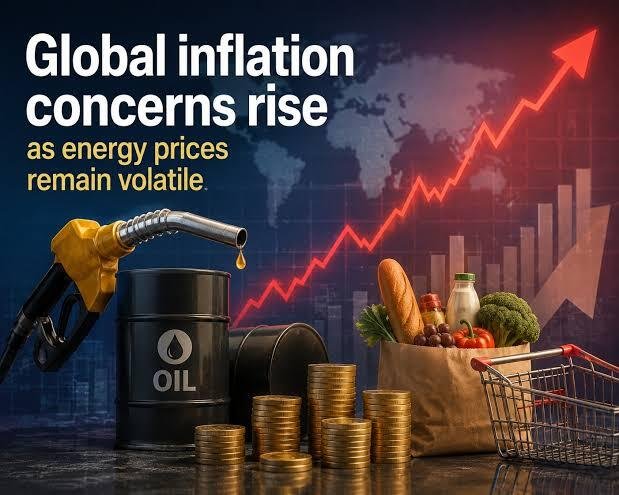
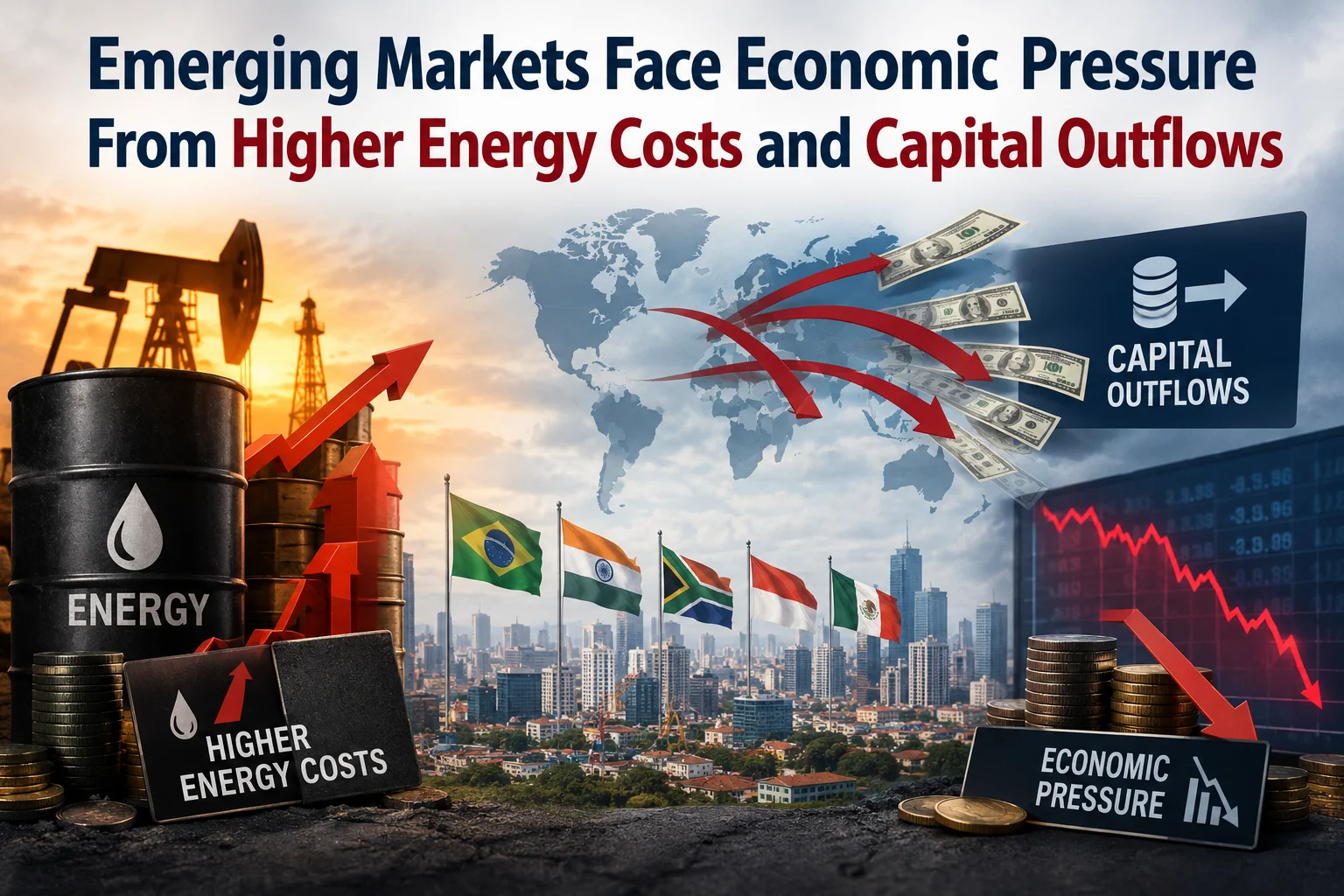
Higher energy prices are creating additional difficulties for European businesses. The October PMI survey showed that input-cost inflation accelerated to a five-month high, partly reflecting increased energy and transportation expenses.
Manufacturing companies are particularly exposed because electricity, natural gas and fuel are important inputs in industrial production. Higher energy costs can reduce profit margins, increase product prices and weaken international competitiveness.
For households, expensive energy can reduce disposable income and limit spending on other goods and services. This creates a difficult situation for policymakers, who must balance inflation control with the need to support economic growth.
The European Central Bank faces a similar challenge. Persistent inflationary pressure may limit the scope for monetary easing, while weaker business activity raises concerns about the impact of restrictive borrowing conditions on investment and consumption.
The Worldonomics View
The October slowdown suggests that the Eurozone’s economic recovery remains vulnerable to external and domestic pressures. Weakening consumer confidence, higher energy costs and slower employment growth are limiting the momentum of business activity.
However, the region has not entered a broad contraction. The Composite PMI remains above 50, and third-quarter GDP growth demonstrated that economic activity had maintained some resilience. The challenge is to sustain that performance as demand weakens and costs remain elevated.
European policymakers should focus on improving business competitiveness, supporting household purchasing power and encouraging productive investment. Governments must also address structural issues affecting industrial output, energy affordability and labour-market participation.
A stable economic environment will require coordination between fiscal and monetary authorities, particularly as inflation and growth pressures continue to pull policy in different directions.
Conclusion
The Eurozone’s business activity slowed in October as consumer demand weakened, services growth moderated and employment conditions deteriorated. Rising energy costs and uncertain business confidence are adding to the challenges facing companies across the region.
Although economic activity continues to expand, the weaker momentum highlights the need for policies that support investment, strengthen household confidence and improve industrial competitiveness. The performance of consumer spending, employment and energy prices will remain crucial in determining the Eurozone’s economic direction in the final months of 2026.