The Worldonomics Times
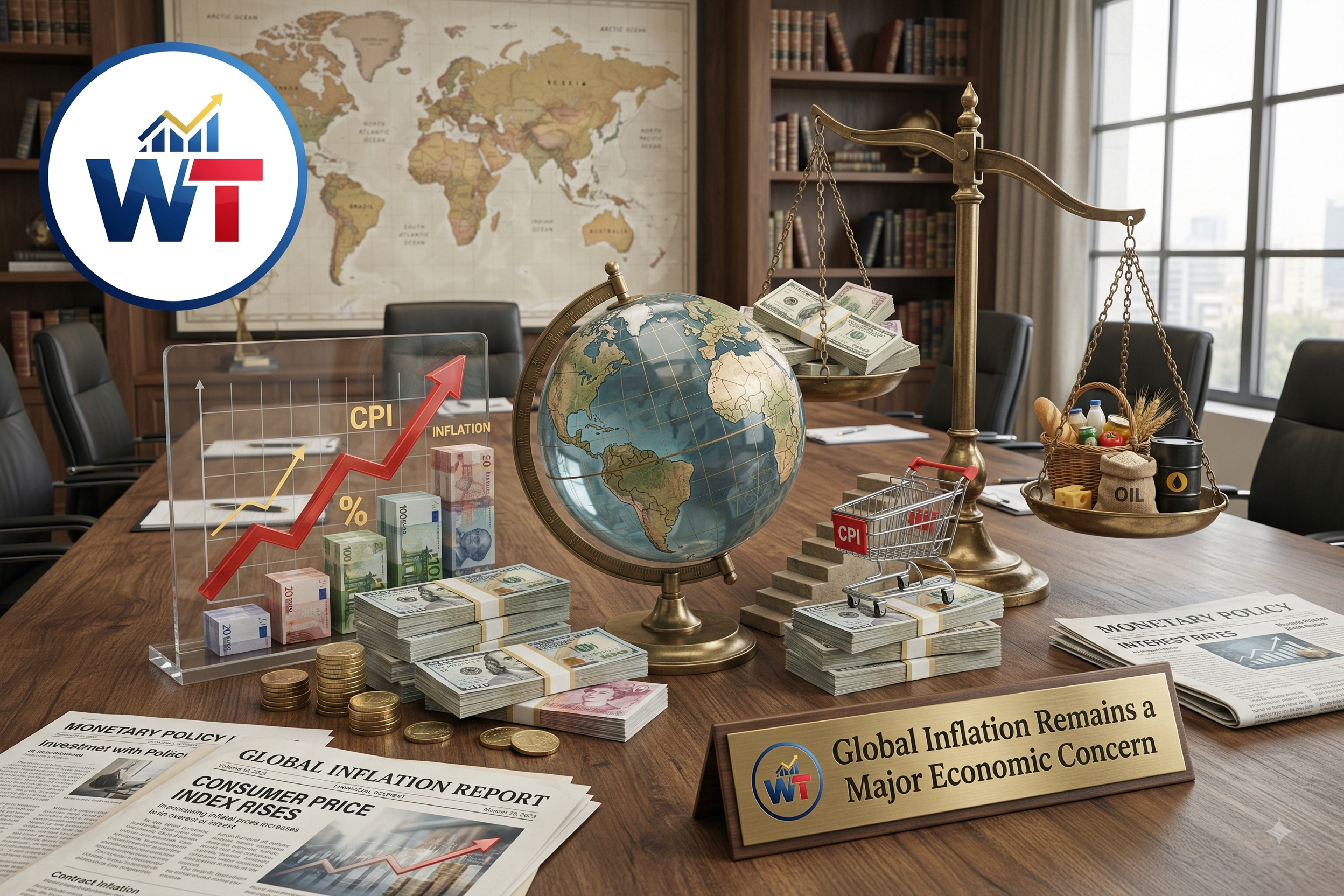
Global inflation continues to remain one of the biggest challenges facing the world economy, as rising energy costs, volatile commodity prices, supply-chain disruptions, and geopolitical uncertainties put pressure on households, businesses, and governments. Although several economies have made progress in controlling inflation, the rising cost of essential goods and services continues to affect purchasing power and economic confidence.
The global economic environment remains complicated. Higher prices for oil, natural gas, food, agricultural products, and industrial raw materials are increasing production and transportation costs. These pressures are creating difficulties for policymakers who must balance price stability with economic growth, employment, and financial stability.
According to the International Monetary Fund’s October 2026 World Economic Outlook, global headline inflation is projected to rise to 4.7% in 2026 before easing to 4.1% in 2027. The forecast highlights the continuing influence of commodity prices and geopolitical developments on the global inflation outlook.
Rising Energy Prices Increase Inflationary Pressure
Energy prices remain one of the most important factors influencing global inflation. Oil and natural gas are essential inputs for transportation, manufacturing, electricity generation, agriculture, and several other industries.
When energy prices increase, businesses face higher operating expenses. Transportation companies pay more for fuel, manufacturers experience rising production costs, and agricultural producers face increased expenses for machinery, irrigation, and fertilizers.
These additional costs are often passed on to consumers through higher prices for goods and services.
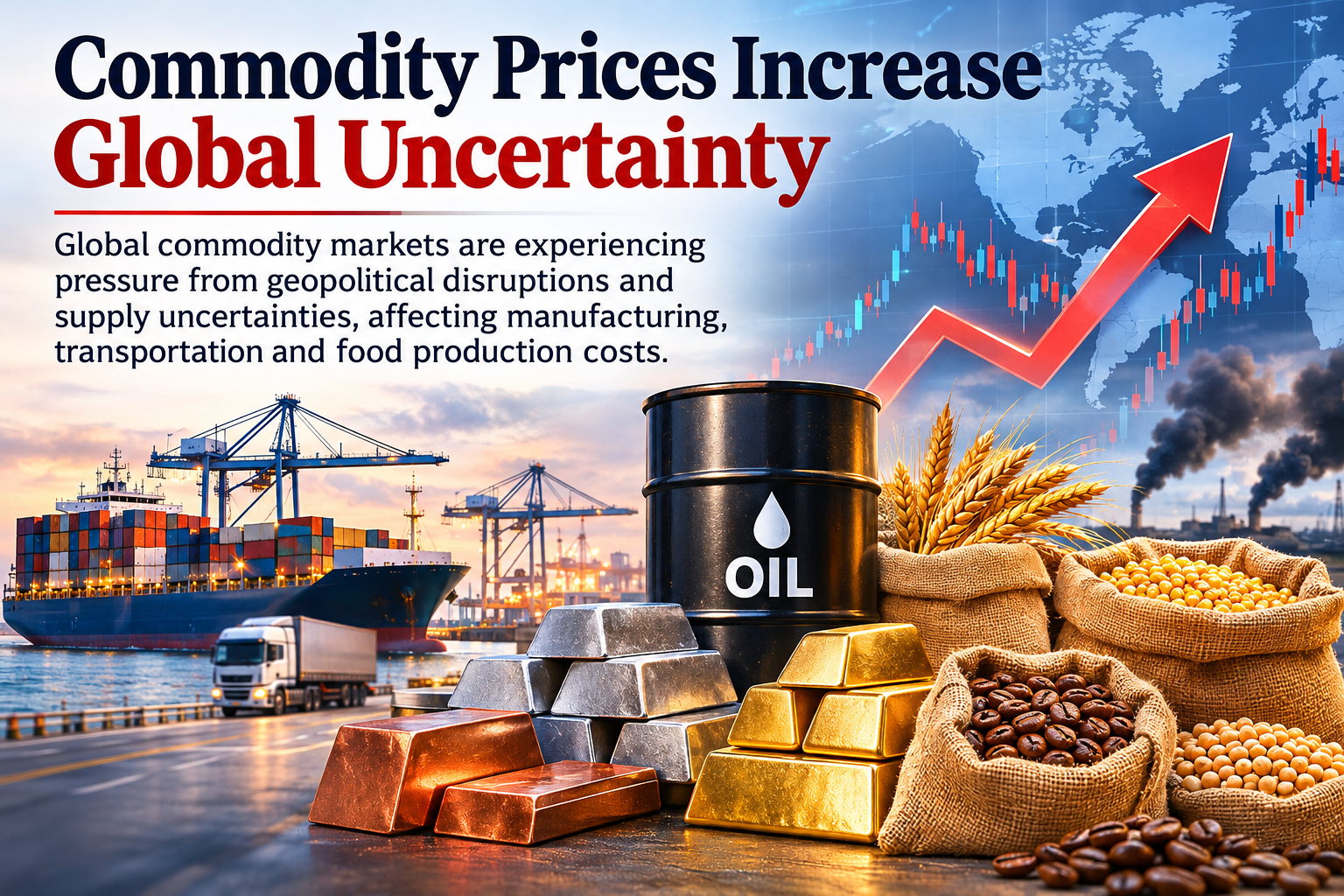
The World Bank’s October 2026 Commodity Markets Outlook projects that overall commodity prices will increase by 23% in 2026, while energy prices are expected to rise by 32%. Geopolitical tensions and disruptions to energy supplies are among the major factors behind these projections.
For countries that depend heavily on imported energy, rising international prices can also weaken trade balances, increase import bills, and put pressure on domestic currencies.
Food and Commodity Prices Affect Household Budgets
Food inflation remains a major concern, particularly for low- and middle-income households. Essential products such as cereals, vegetables, cooking oils, dairy products, and other food items account for a substantial share of household expenditure.
When agricultural commodity prices rise, the impact extends throughout the food supply chain. Farmers face higher costs for fertilizers, fuel, seeds, and transportation, while distributors and retailers experience increased storage and logistics expenses.
Extreme weather events, changing rainfall patterns, export restrictions, and international conflicts can further disrupt agricultural production and food distribution.
The World Bank has warned that food commodity prices could increase by approximately 18% cumulatively across 2026 and 2027. Such developments could create additional pressure on food affordability, particularly in countries where households spend a large proportion of their income on basic necessities.
For governments, ensuring affordable food supplies and protecting vulnerable communities will remain an important economic priority.
Businesses Struggle with Higher Operating Costs
Persistent inflation is creating challenges for businesses across multiple industries. Manufacturers, retailers, logistics providers, construction companies, and service-sector organisations are dealing with rising input costs and uncertain consumer demand.
Small and medium-sized enterprises (SMEs) are particularly vulnerable because they often have limited financial resources and less bargaining power when negotiating with suppliers.
Higher raw material prices, electricity bills, transportation expenses, and employee costs can reduce profit margins. Businesses may respond by increasing product prices, reducing operating expenses, delaying expansion plans, or limiting recruitment.
These decisions can affect employment opportunities and overall economic activity.
Companies are increasingly focusing on operational efficiency, technology adoption, energy conservation, and supply-chain diversification to manage inflationary pressures.
Central Banks Face Difficult Policy Decisions
Central banks around the world continue to face a challenging responsibility: controlling inflation without unnecessarily slowing economic growth.
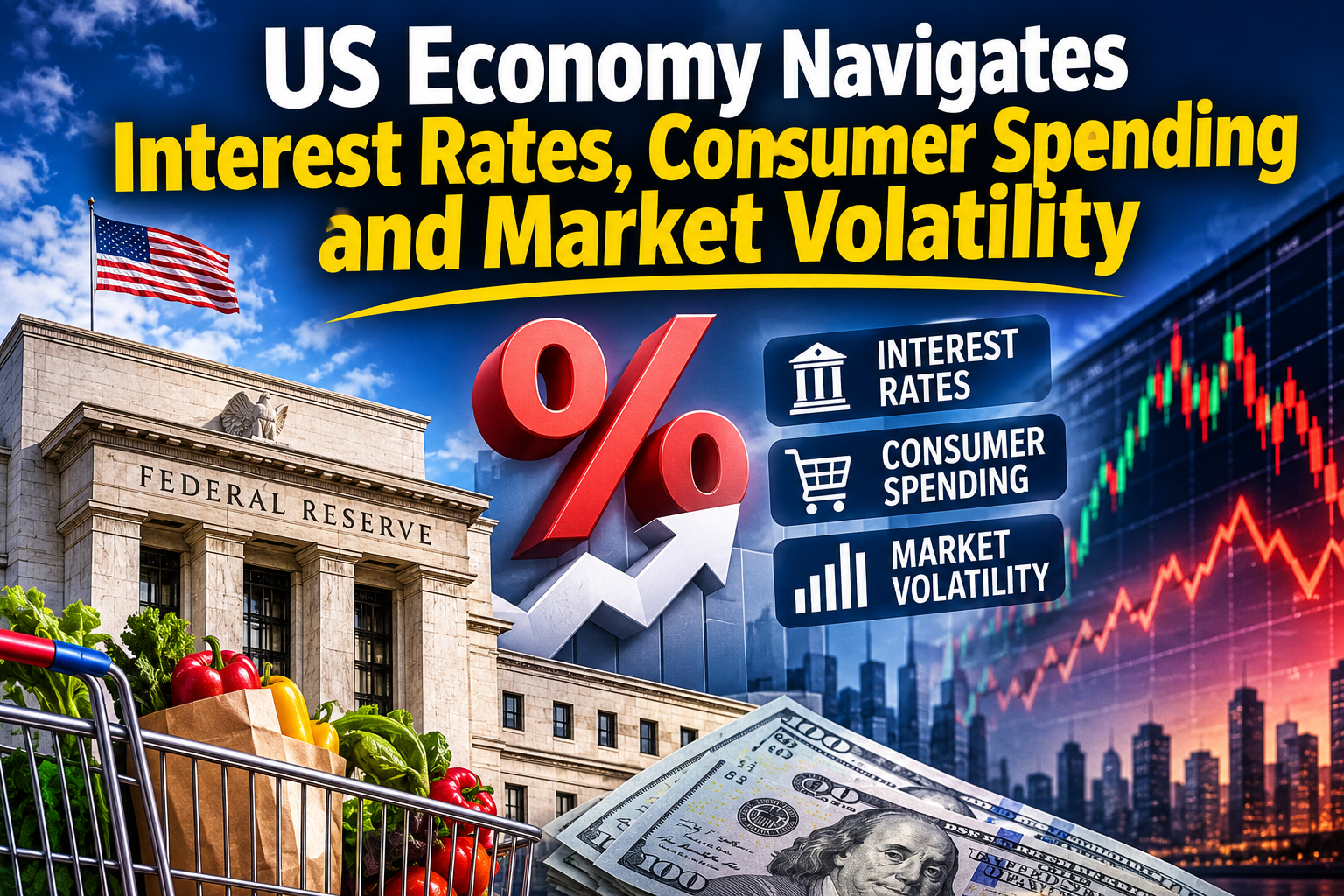
Interest rate adjustments remain one of the primary tools used to manage inflation. Higher interest rates can reduce excessive borrowing and spending, helping moderate demand and price pressures. However, they also increase financing costs for businesses and households.
On the other hand, lowering interest rates too early could risk allowing inflationary pressures to return, particularly when energy and commodity prices remain volatile.
Policymakers must therefore carefully assess economic indicators, including consumer prices, wage growth, employment, currency movements, and inflation expectations.
The IMF has also emphasised the importance of maintaining monetary and financial stability while rebuilding fiscal capacity to deal with future economic shocks.
Emerging Economies Face Additional Challenges
Developing and emerging economies are often more exposed to international inflation because of their dependence on imported energy, food commodities, industrial materials, and foreign financing.
Currency depreciation can make imported products more expensive, adding another layer of pressure on domestic prices. Countries with high external debt may also face difficulties when international borrowing costs increase.
India and other developing economies must carefully balance domestic growth priorities with global price fluctuations. Investment in renewable energy, agricultural productivity, modern infrastructure, and domestic manufacturing can help reduce long-term dependence on imported resources.
Strengthening food distribution networks, improving storage facilities, and supporting small businesses can also help limit the wider impact of inflation.
Technology and Renewable Energy Offer Long-Term Solutions
Despite the challenges, innovation offers opportunities to reduce inflation-related vulnerabilities over time.
Renewable energy sources such as solar, wind, and hydropower can help countries diversify their energy supplies and reduce exposure to international fossil-fuel price volatility.
Similarly, artificial intelligence, automation, precision agriculture, and digital supply-chain management can improve productivity and reduce operational inefficiencies.
However, these solutions require substantial investment, supportive government policies, skilled workers, and reliable infrastructure. Their benefits will emerge gradually rather than immediately.
What Lies Ahead for Global Inflation?
The future direction of global inflation will depend heavily on energy-market conditions, geopolitical developments, agricultural production, international trade policies, and central bank decisions.
If supply disruptions ease and commodity prices moderate, inflationary pressures could gradually decline. However, renewed conflicts, transportation disruptions, extreme weather events, or further restrictions on international trade could create additional price increases.
Governments must prioritise responsible fiscal management, targeted support for vulnerable households, stronger domestic production, and investment in sustainable infrastructure.
The Worldonomics Times View
The Worldonomics Times believes that persistent global inflation is not simply a monetary challenge but a broader economic issue involving energy security, food production, international trade, supply-chain resilience, and household purchasing power.
While central banks play an essential role in maintaining price stability, long-term solutions must extend beyond interest rate adjustments. Governments should strengthen domestic manufacturing, encourage agricultural innovation, invest in renewable energy, and improve transportation and distribution infrastructure.
Particular attention must be given to low-income households and small businesses, which often bear the greatest burden of rising prices. Temporary and targeted financial assistance can provide meaningful relief without creating unnecessary pressure on public finances.
International cooperation will also be essential to maintaining stable commodity markets and preventing unnecessary trade restrictions.
The Worldonomics Times believes that controlling inflation must go hand in hand with protecting economic growth and public welfare. A stronger, more diversified, and energy-efficient global economy will be better positioned to withstand future price shocks and deliver sustainable prosperity.