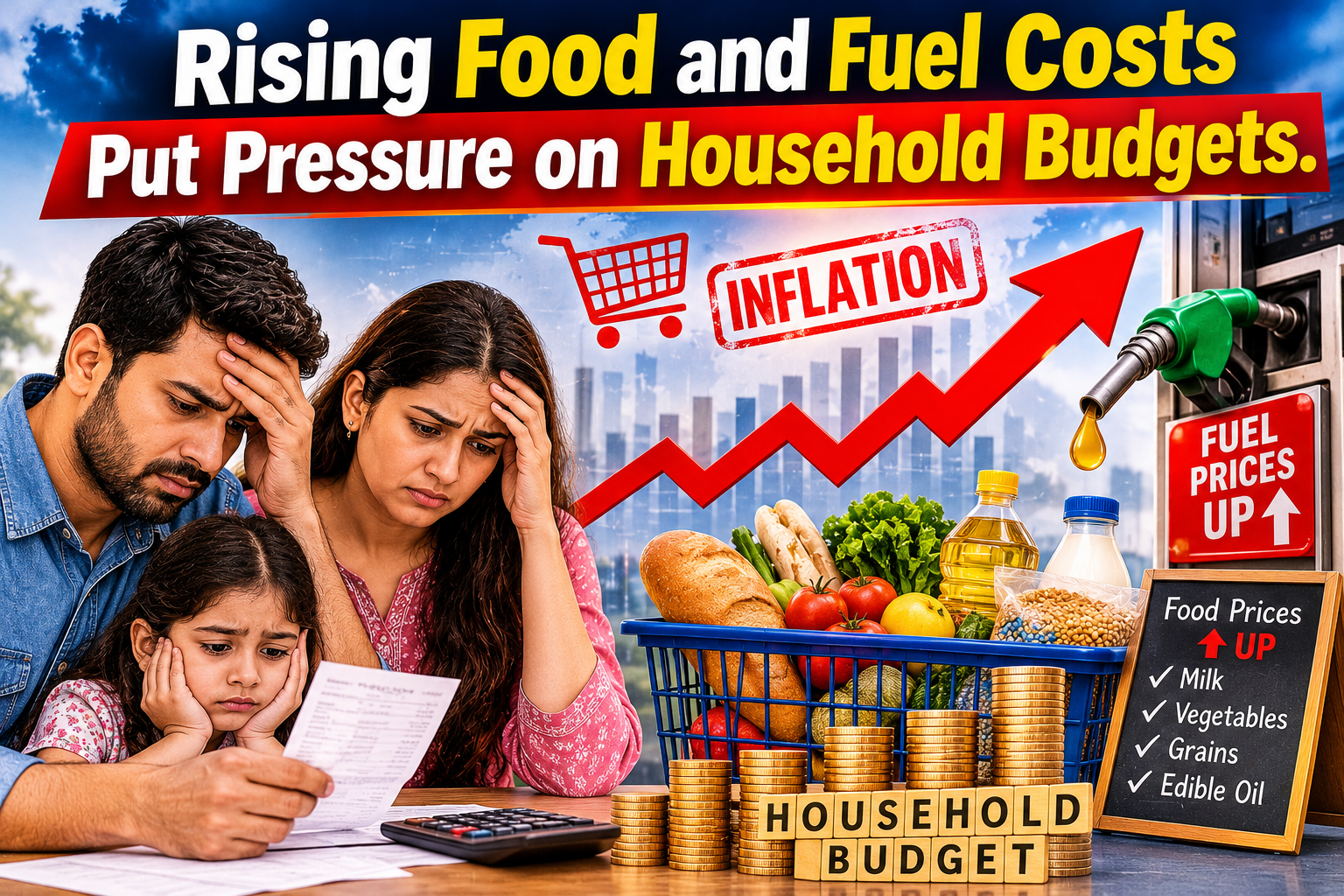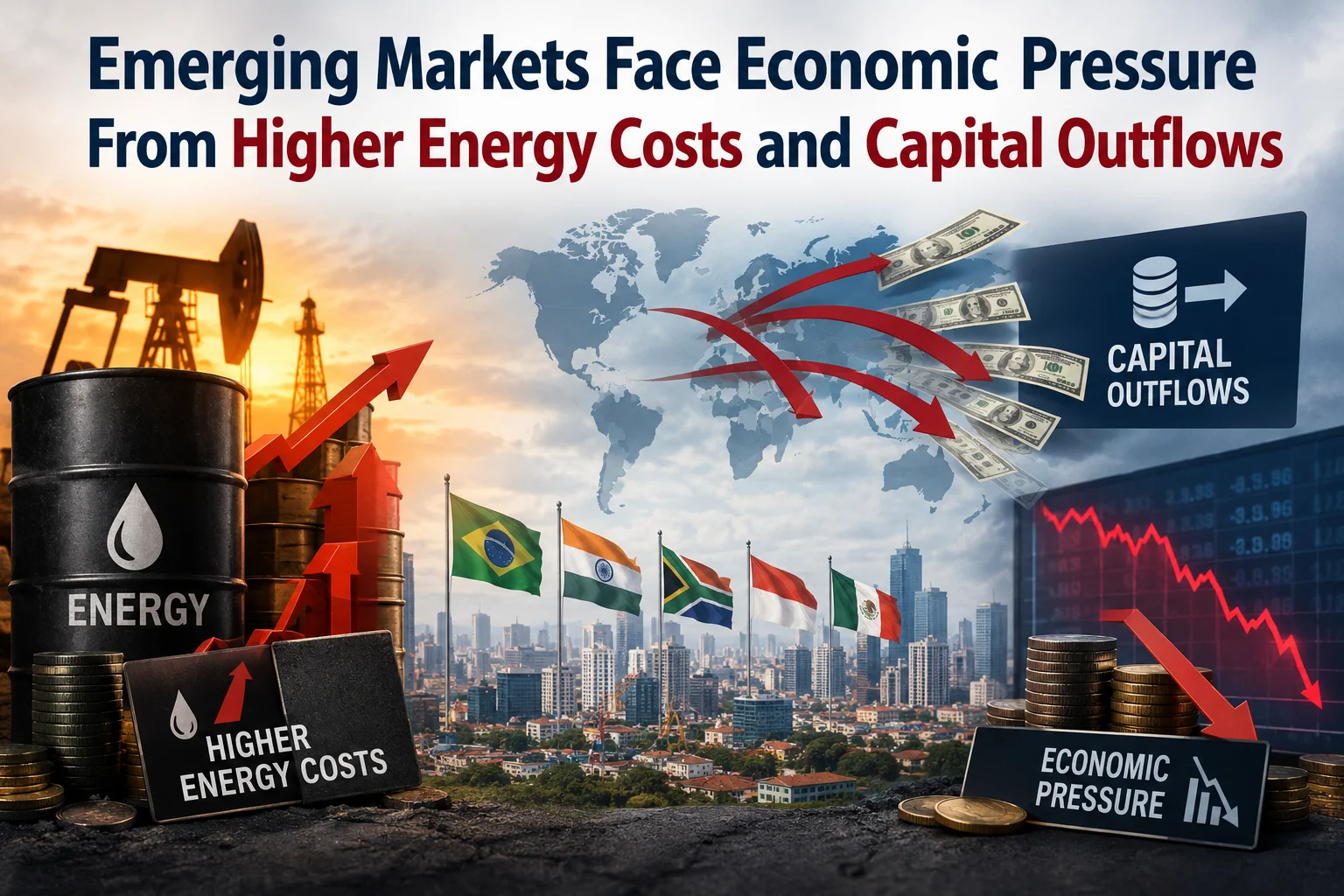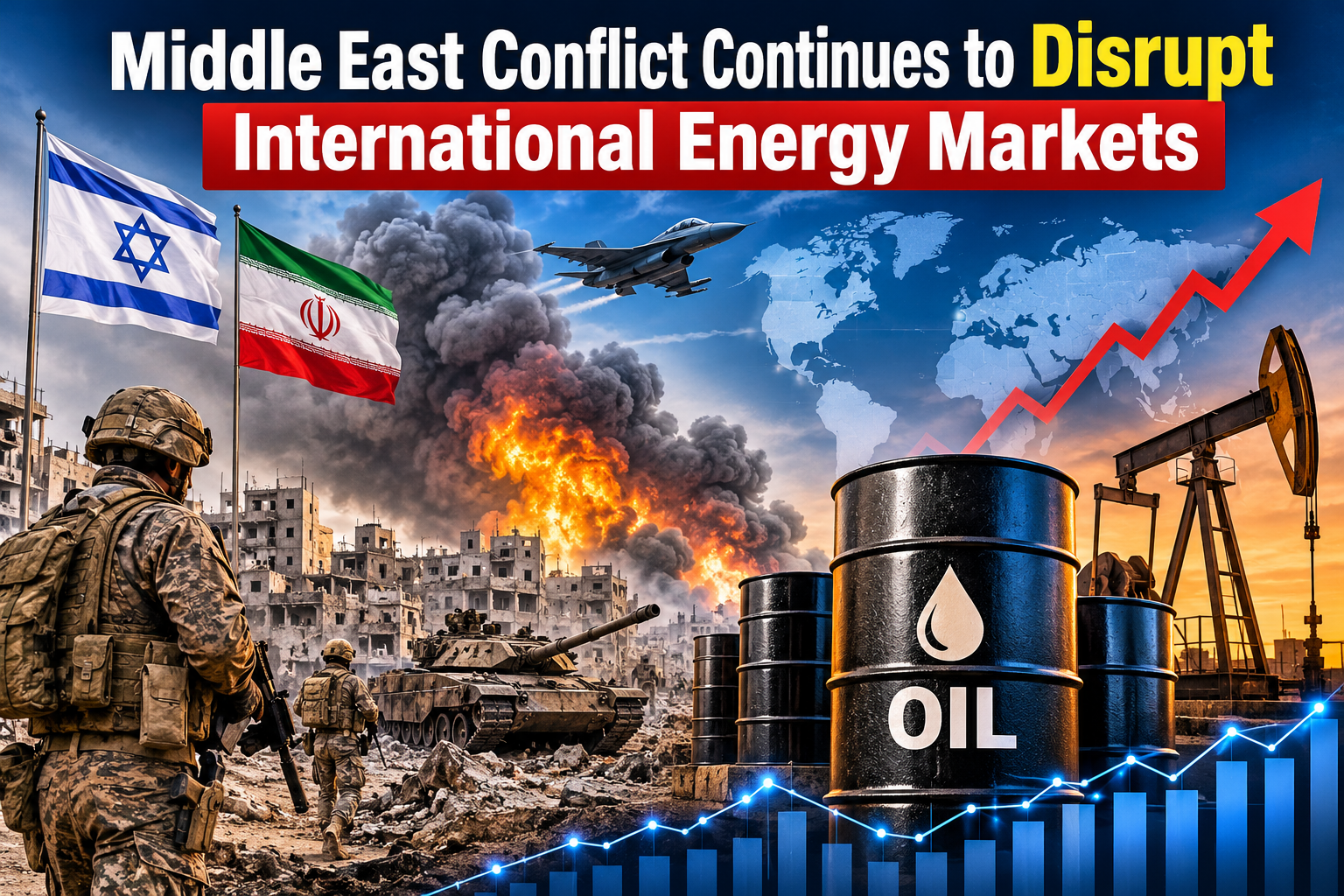
Geopolitical tensions are affecting oil supplies, shipping routes, and energy security, increasing economic pressure worldwide.
By The Worldonomics Times | Global Economy
The ongoing conflict in the Middle East continues to create significant uncertainty across international energy markets, disrupting oil and gas supplies, threatening critical shipping routes and increasing concerns about global energy security. The region plays a central role in international energy trade, making geopolitical instability particularly consequential for oil-importing countries, manufacturers, transport companies and consumers.
The disruption has extended beyond crude oil production. Shipping restrictions, attacks on energy infrastructure and rising insurance costs are affecting the movement of petroleum products and liquefied natural gas (LNG). As a result, governments and businesses worldwide are facing higher energy expenses and growing uncertainty about the reliability of future supplies.
Strait of Hormuz Remains a Critical Energy Concern
One of the most important factors influencing global energy markets is the disruption to shipping through the Strait of Hormuz. Located between Iran and the Arabian Peninsula, this narrow waterway connects the Persian Gulf with international shipping routes.
According to the International Energy Agency (IEA), around 25% of global seaborne oil trade passed through the Strait in 2025. Approximately one-fifth of global LNG supplies also moved through the waterway. Its strategic importance makes any prolonged disruption a serious concern for international energy security.
The conflict that began on February 28, 2026, has severely affected maritime traffic through the Strait. The IEA has described the resulting disruption as the largest supply disruption in the history of the global oil market.
Although some producers have attempted to redirect exports through alternative pipelines and shipping arrangements, these options cannot fully replace the capacity of the Strait. Countries dependent on Gulf exports therefore remain exposed to supply interruptions and transportation uncertainty.
Oil Prices Experience Significant Volatility
Geopolitical tensions have increased uncertainty in crude oil markets, with prices responding to changes in supply expectations, infrastructure damage and shipping risks.
The US Energy Information Administration (EIA), in its October 6, 2026, Short-Term Energy Outlook, reported that Brent crude averaged approximately $114 per barrel in September, an increase of $23 compared with August. Prices reached as high as $131 per barrel on September 15 following attacks on Saudi Arabia’s East-West oil pipeline, which temporarily disrupted an important alternative export route.
The EIA also estimated that production shut-ins in the Middle East averaged 4.8 million barrels per day in September, down from 5.8 million barrels per day in August. Despite some improvement in export flows, the agency expects continued constraints and volatility while the conflict remains unresolved.
Higher oil prices affect more than fuel markets. They increase the operating expenses of airlines, shipping companies, manufacturers and logistics providers. Businesses facing higher energy costs may pass these expenses to customers, contributing to inflation across multiple economies.
Shipping Disruptions Increase Transportation Costs
Energy transportation has become another major challenge for international markets. Tankers operating near conflict-affected areas face security risks, higher insurance premiums and uncertainty over access to important maritime routes.
Some vessels have adopted alternative routes or adjusted their operations to reduce exposure to attacks. Longer journeys increase fuel consumption, delivery times and freight expenses. They can also reduce the availability of tankers for other international shipments.
The Red Sea and the Bab el-Mandeb Strait are additional areas of concern because of their importance to global shipping. Disruptions in these waterways can affect trade between Asia, Europe and other major markets.
The EIA has highlighted how higher tanker rates, insurance costs and longer shipping routes are adding to the delivered cost of crude oil. These expenses can place additional pressure on refineries and energy-importing businesses, even when alternative supplies remain available.
Natural Gas Markets Face Supply Uncertainty
The conflict is also affecting international natural gas markets, particularly LNG shipments from Qatar and the United Arab Emirates.
According to the IEA, approximately 20% of global LNG trade passed through the Strait of Hormuz in 2025. Disruptions to these flows have created supply concerns for Asian and European importers.
Qatar is particularly important because of its position as a major LNG exporter. Damage to infrastructure and restrictions on shipping can affect production, export capacity and the availability of gas in international markets.
Higher LNG prices can increase electricity-generation costs and industrial expenses. Countries that depend heavily on imported natural gas may face pressure on their energy budgets, particularly during periods of strong seasonal demand.
The impact can also extend to industries that use gas as a major input, including chemicals, fertilisers, steel and other energy-intensive manufacturing sectors.
Global Economies Face Additional Inflationary Pressure
Rising energy costs can create broader economic challenges by increasing transportation, electricity and production expenses. Businesses may respond by raising prices, reducing operating costs or delaying investment decisions.
Developing economies are particularly vulnerable because many depend on imported oil and gas to support industrial activity and domestic consumption. Higher import bills can widen trade deficits, weaken currencies and increase pressure on government finances.
In countries where fuel prices are subsidised, governments may face additional expenditure to protect consumers from international price increases. This can reduce the resources available for infrastructure, healthcare and other development priorities.
Central banks may also face difficult policy decisions. If higher energy prices push inflation upward, monetary authorities could be forced to maintain restrictive interest rates for longer, potentially slowing economic growth.
Governments Strengthen Energy Security Strategies
The continuing uncertainty has encouraged governments to reconsider their energy security policies. Strategic petroleum reserves, diversified import sources and investment in domestic energy production are becoming increasingly important.
The IEA announced in March 2026 that its member countries would undertake a coordinated release of 400 million barrels from emergency oil stocks to help address market disruptions. Such measures can provide temporary relief, although they cannot permanently replace disrupted production or restore shipping routes.
Countries are also exploring alternative supply arrangements, expanding pipeline infrastructure and increasing investment in renewable energy. Solar, wind, hydropower and other domestic energy sources can help reduce dependence on imported fossil fuels over time.
However, energy diversification requires substantial investment, modern infrastructure and long-term planning. Oil and natural gas will continue to play important roles in global energy systems during the transition.
The Worldonomics View
The Middle East conflict demonstrates how concentrated energy supply routes can create economic risks far beyond the region itself. A disruption at a single strategic shipping chokepoint can influence fuel prices, international trade, industrial production and inflation across multiple continents.
Governments should treat energy security as an economic priority rather than simply a supply-management issue. Diversifying suppliers, maintaining strategic reserves, strengthening maritime cooperation and investing in alternative energy sources can reduce vulnerability to future crises.
At the same time, international diplomatic efforts remain essential. Energy markets require predictable supply conditions, and prolonged instability can damage both exporting and importing economies. A sustainable solution will depend on reducing geopolitical risks while strengthening the resilience of global energy infrastructure.
Conclusion
The continuing Middle East conflict is placing significant pressure on international energy markets through disrupted oil supplies, shipping uncertainty and rising transportation costs. The effects are reaching businesses, consumers and governments well beyond the region.
Although strategic reserves and alternative export routes can provide temporary support, long-term stability will require secure maritime access, reliable energy infrastructure and diversified supply sources. The ability of countries to manage these challenges will play an important role in determining global inflation, trade performance and economic growth in the months ahead.