Declining Crude Oil Prices Could Ease Inflation, Reduce Business Costs and Strengthen Economic Activity Across Major Economies
By The Worldonomics Times Editorial Desk
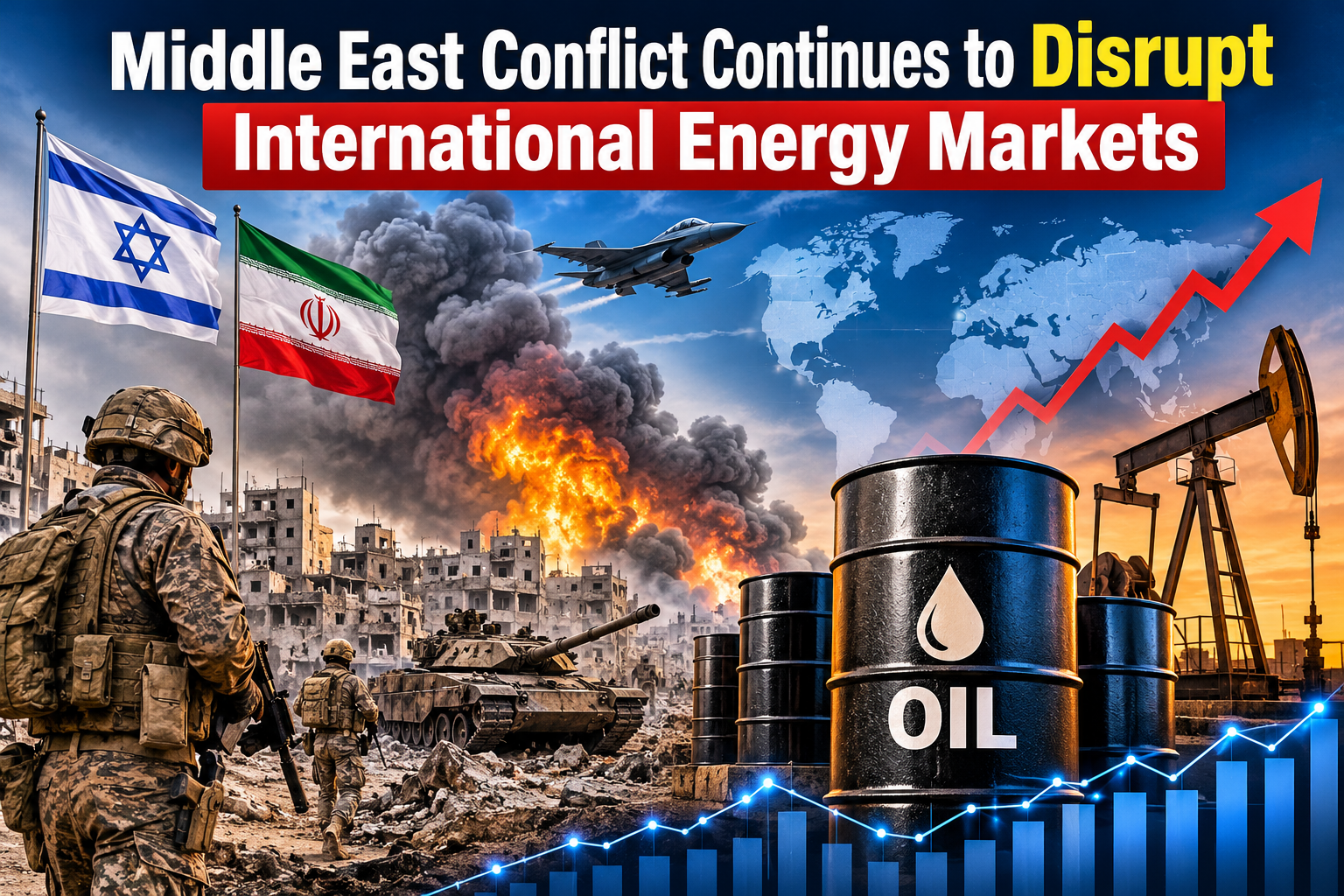
The global energy market is witnessing developments that could provide much-needed relief to businesses, consumers, and policymakers as declining crude oil prices create the possibility of easing inflationary pressures. Oil remains one of the most important commodities in the global economy, influencing transportation, manufacturing, electricity generation, international trade, and household expenses. A sustained decline in crude oil prices could therefore have significant implications for economic growth and financial stability across different regions.
For countries heavily dependent on imported energy, lower oil prices could reduce import expenditure, ease pressure on foreign exchange reserves, and improve their overall economic position. Businesses may also benefit from reduced transportation and production costs, while consumers could experience some relief through lower fuel and energy-related expenses.
However, the global oil market remains sensitive to geopolitical developments, production decisions, international demand, and supply-chain disruptions. Therefore, the long-term economic benefits of declining crude oil prices will depend on whether the downward trend continues.
Declining Oil Prices and Global Inflation
Crude oil prices have a direct and indirect influence on inflation across the world. When oil prices increase, transportation, logistics, manufacturing, and agricultural production generally become more expensive. Businesses often pass these additional costs on to consumers, contributing to higher prices of goods and services.
A decline in crude oil prices can help reverse some of these pressures. Lower fuel costs reduce transportation expenses for airlines, shipping companies, logistics operators, and road transport businesses. Similarly, industries that depend heavily on petroleum-based raw materials and energy may benefit from reduced operating expenses.
Lower energy prices can also give central banks greater flexibility in managing inflation. If fuel and transportation costs decline consistently, overall inflationary pressure may moderate, potentially allowing policymakers to reconsider the pace of monetary tightening.
Nevertheless, cheaper oil does not automatically guarantee lower inflation. Food prices, housing expenses, wages, and service-sector costs can continue to influence the overall price level.
Businesses Could Benefit from Lower Energy Costs
Businesses across multiple industries are closely connected to global energy prices. Manufacturing companies, aviation operators, shipping businesses, construction firms, and agricultural producers all depend on affordable energy to maintain efficient operations.
When crude oil prices decline, companies may experience lower transportation and production expenses. This can improve profit margins, strengthen competitiveness, and create opportunities for additional investment.
The aviation industry, in particular, may benefit from lower fuel-related expenditure because aviation fuel represents a significant operating cost for airlines. Shipping and logistics companies may also experience financial relief as fuel expenses influence the cost of transporting goods internationally.
For small and medium-sized enterprises, lower energy costs can provide additional financial flexibility. Businesses may use these savings to improve infrastructure, expand operations, invest in technology, or manage rising labour and material expenses.
However, the extent of these benefits depends on how quickly lower crude prices are reflected in actual fuel and energy costs.
Oil-Importing Economies Could Gain Significant Relief
Countries that depend heavily on imported crude oil could be among the biggest beneficiaries of falling international oil prices.
India, Japan, China, and several European economies import substantial quantities of energy to support their domestic industries and transportation systems. Lower crude prices could reduce their import bills and improve external trade balances.
India, for example, is particularly sensitive to changes in international crude oil prices because of its significant dependence on imported petroleum. A sustained reduction in oil prices could help lower the country’s energy import expenditure and reduce pressure on its current account balance.
Cheaper crude oil may also help moderate domestic fuel inflation, although the final impact on consumers depends on currency movements, taxation, refining costs, and government pricing decisions.
For developing economies, reduced energy expenditure could create additional fiscal flexibility and support spending on infrastructure, healthcare, education, and other development priorities.
Consumers May Experience Lower Living Costs
Energy prices influence household budgets in several ways. Petrol, diesel, cooking fuels, electricity generation, and transportation expenses affect the everyday cost of living.
When fuel prices decline, households may benefit from reduced commuting and transportation expenses. Businesses facing lower logistics costs may also have greater scope to maintain competitive prices for consumer goods.
Lower energy costs can be particularly important for middle-income and lower-income households, where transportation and essential commodities represent a substantial share of monthly expenditure.
However, the relationship between international crude prices and retail fuel prices is not always immediate. Taxes, subsidies, exchange rates, refining margins, and domestic government policies can influence how much of the reduction reaches consumers.
Oil-Producing Nations Face Economic Challenges
While lower oil prices offer advantages to importing countries, they can create challenges for major oil-producing economies.
Countries that depend significantly on petroleum exports for government revenue may experience reduced income when international crude prices decline. This could affect public expenditure, infrastructure projects, investment programmes, and national budgets.
Oil-producing nations may respond by adjusting production levels, managing government spending, or diversifying their economies.
Decisions by major oil-producing countries and organisations such as OPEC+ will therefore remain important in determining the future direction of international crude prices.
If producers reduce supply in response to falling prices, the global market could experience a reversal in the downward trend.
Geopolitical Risks Could Influence Future Oil Prices
Despite