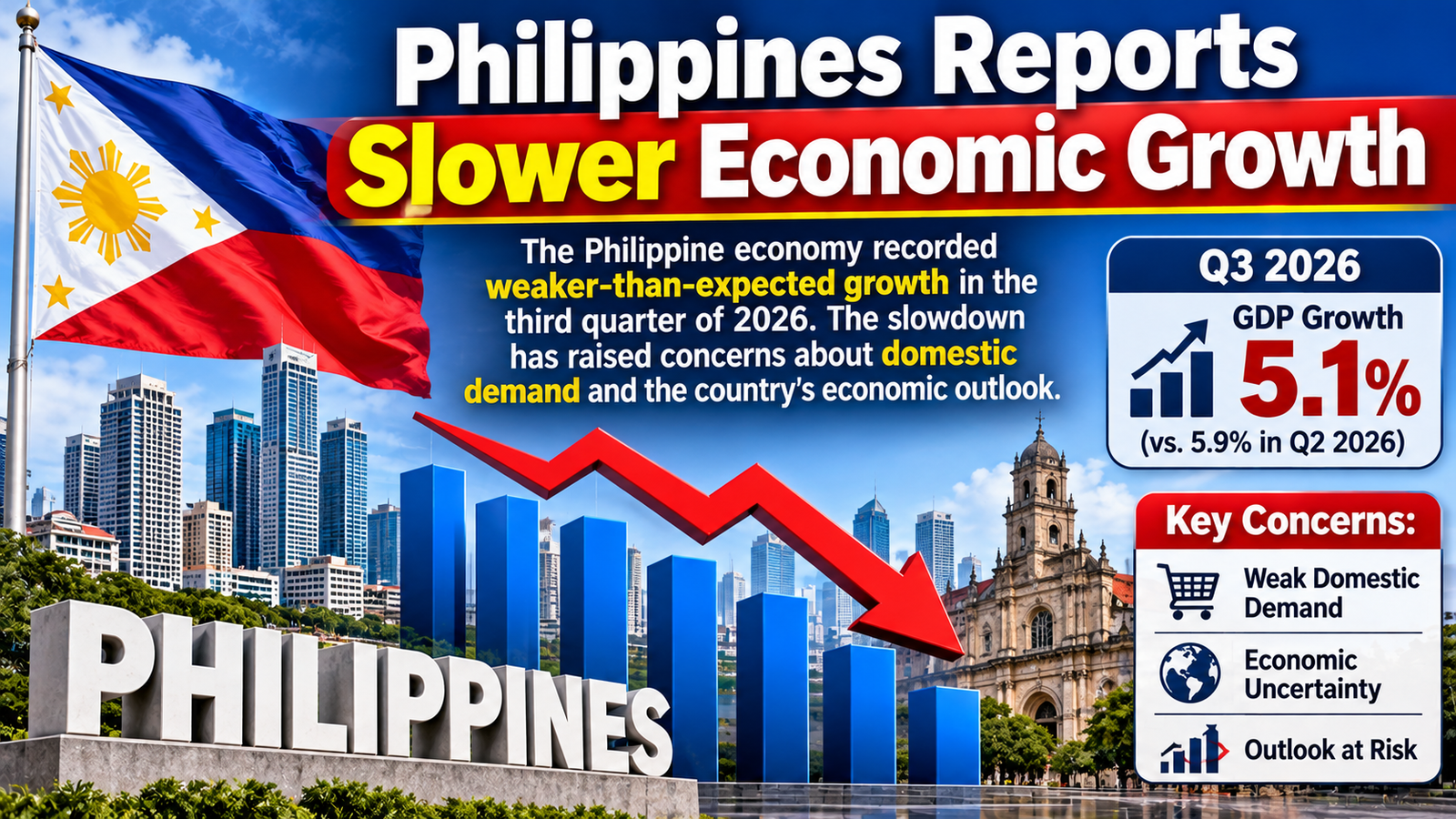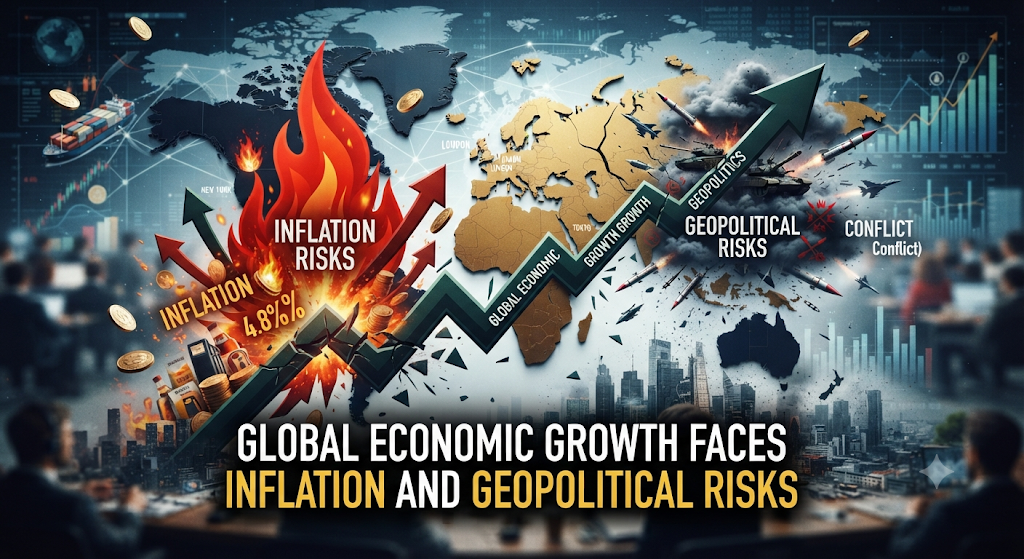
According to the International Monetary Fund’s (IMF) October 2026 World Economic Outlook, global economic growth is projected at 3.1% in 2026, with a recovery to 3.4% in 2027. However, the IMF warns that economic risks remain tilted towards the downside, reflecting geopolitical tensions, fiscal vulnerabilities, renewed trade disputes, and uncertainty surrounding financial markets.
The developments highlight the need for governments and central banks to adopt balanced economic policies that support growth while maintaining price stability and financial confidence.
Inflation Continues to Challenge Global Economies
Inflation remains one of the most significant concerns affecting households, businesses, and governments. Although several economies have experienced periods of moderating price increases, rising energy and food costs continue to create pressure on consumers and industrial sectors.
Higher prices reduce household purchasing power and increase the cost of doing business. Industries dependent on transportation, electricity, agricultural commodities, and imported raw materials are particularly vulnerable to fluctuations in international prices.
The IMF projects global headline inflation at 4.7% in 2026 before easing to 4.1% in 2027. However, the pace of improvement may vary across countries depending on domestic demand, currency movements, energy dependence, and supply-chain conditions.
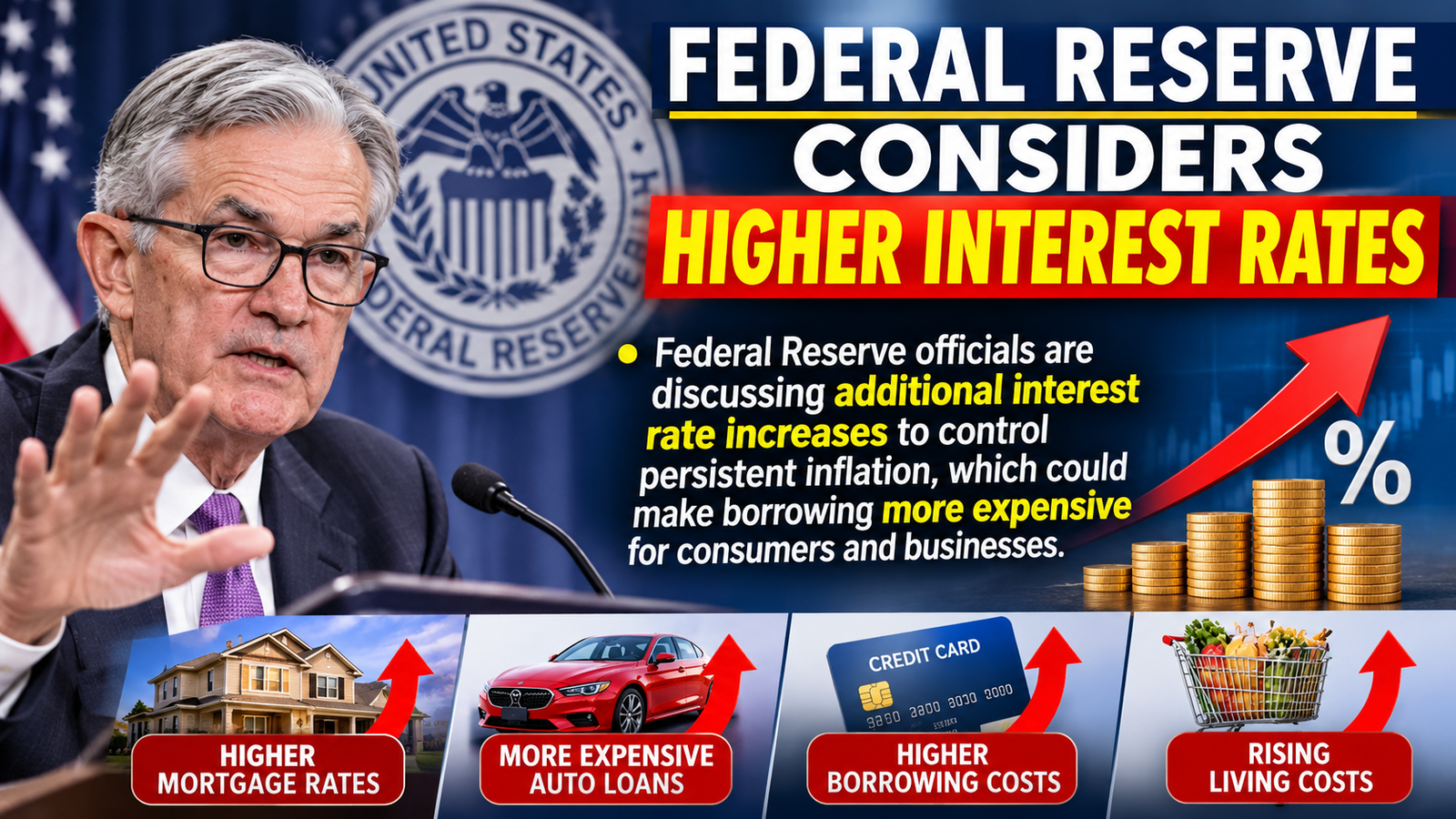
Central banks are therefore facing difficult decisions regarding interest rates. While higher borrowing costs can help control inflation, excessive monetary tightening could weaken consumer spending, discourage business investment, and slow economic growth.
Geopolitical Tensions Create Uncertainty
Geopolitical developments have become an increasingly important factor influencing global economic performance.
International conflicts, trade restrictions, economic sanctions, and diplomatic tensions can disrupt supply chains, increase commodity prices, and affect investor confidence.
The ongoing uncertainty surrounding major geopolitical conflicts, particularly in energy-producing regions, has highlighted the vulnerability of international markets to sudden supply disruptions.
Countries dependent on imported oil, gas, food, and industrial materials may face higher import expenditure and increased inflationary pressure when international supply chains are disrupted.
Businesses operating across multiple countries must also manage changing trade regulations, transportation costs, and investment uncertainty.
The IMF has warned that prolonged geopolitical tensions could further weaken economic activity while creating additional inflationary pressures.
Rising Government Debt Raises Fiscal Concerns
Another major challenge facing the global economy is the growing burden of government debt.
Many countries increased public spending during previous economic crises to support households, businesses, healthcare systems, and infrastructure development. Although these measures helped stabilise economic activity, they also increased borrowing requirements and placed pressure on government finances.
Higher interest rates have made debt servicing more expensive, reducing the financial flexibility available to governments.
In several advanced economies, rising government borrowing and persistent budget deficits are creating concerns about long-term fiscal sustainability.
The European Central Bank’s November 2026 Financial Stability Review has highlighted the risks associated with increasing sovereign borrowing requirements, higher bond yields, and rising government interest payments.
If debt servicing costs continue to increase, governments may have fewer resources available for essential public services, infrastructure investment, education, and development programmes.
Policymakers must therefore focus on responsible fiscal management while ensuring that necessary investments supporting long-term economic growth are not neglected.
Financial Markets Face Greater Volatility
Global financial markets remain sensitive to economic data, interest rate expectations, geopolitical developments, and changes in investor confidence.
Movements in stock markets, government bond yields, currencies, and commodity prices can influence investment decisions across international markets.
Uncertainty regarding central bank policies may lead investors to adjust their portfolios, creating fluctuations in financial asset prices.
Emerging economies can face additional pressure when international investors move capital towards markets offering relatively attractive returns or perceived stability.
Currency depreciation, higher external borrowing costs, and capital outflows may create challenges for countries dependent on international financing.
The IMF has also highlighted the possibility that overly optimistic expectations surrounding artificial intelligence investment could trigger financial market corrections if expected productivity gains and corporate returns fail to materialise.
Emerging Economies Must Strengthen Economic Resilience
Emerging markets are playing an increasingly important role in global economic activity. Countries such as India, Indonesia, Vietnam, and several other developing economies are benefiting from expanding domestic markets, manufacturing investment, infrastructure development, and digital transformation.
However, these economies are not immune to global financial uncertainty.
Higher international borrowing costs, volatile commodity prices, currency fluctuations, and changing trade conditions can affect their economic stability.
India, in particular, must continue strengthening its manufacturing ecosystem, infrastructure, energy security, and export competitiveness while maintaining macroeconomic stability.
Investment in renewable energy, technology, education, and domestic production capabilities can help reduce external vulnerabilities and create new opportunities for sustainable growth.
Policymakers Focus on Sustainable Economic Growth
Governments and central banks must coordinate their efforts to address the challenges facing the international economy.
Monetary authorities need to remain vigilant about inflation while making interest rate decisions based on changing economic conditions. Fiscal policymakers must manage public borrowing responsibly and prioritise spending that supports productivity, employment, and long-term development.
International cooperation will also be essential. Stronger trade relationships, diversified supply chains, financial transparency, and coordinated responses to global economic shocks can improve resilience.
The transition towards renewable energy, technological innovation, and advanced manufacturing could provide additional sources of productivity and economic expansion.
However, these opportunities require consistent investment, effective governance, and policies that ensure economic progress benefits a wider section of society.
The Worldonomics Times View
The Worldonomics Times believes that the global economy is entering a period in which resilience alone will not be sufficient to guarantee sustainable growth. Countries must address the structural challenges that threaten economic stability while preparing for new opportunities created by technological innovation, changing trade patterns, and industrial transformation.
Inflation, geopolitical tensions, rising government debt, and financial market uncertainty are interconnected challenges. A disruption in one area can quickly influence other parts of the global economy, making international cooperation and responsible policymaking more important than ever.
Governments should prioritise fiscal discipline, strengthen domestic industries, diversify energy sources, and encourage private-sector investment. Central banks must maintain their focus on price stability while avoiding unnecessary restrictions on productive economic activity.
For emerging economies such as India, the priority should be to strengthen domestic manufacturing, improve infrastructure, encourage exports, and develop skilled human resources. Building stronger domestic economic foundations will help reduce vulnerability to external financial and geopolitical shocks.
The Worldonomics Times believes that sustainable global growth will depend not merely on increasing economic output, but on building stronger financial systems, responsible public finances, stable international relationships, and inclusive economic opportunities.
The coming years will test the ability of policymakers to balance immediate economic pressures with long-term development objectives. Countries that respond through sound economic management, innovation, and international cooperation will be better positioned to navigate uncertainty and achieve lasting economic progress.