The American economy continues to demonstrate resilience, supported by a relatively strong labour market and sustained consumer activity. However, persistent inflationary pressures, borrowing costs and global economic uncertainties remain important challenges for policymakers.
The United States economy continues to demonstrate its ability to withstand economic uncertainties, supported by employment conditions, consumer spending and business activity. Despite concerns surrounding inflation, interest rates and international trade developments, the world’s largest economy remains an important driver of global economic growth.
Strong employment opportunities and consumer demand have helped sustain economic activity, providing support to businesses across retail, services, manufacturing and other major sectors. However, the economic outlook remains complex as policymakers attempt to maintain growth while ensuring that inflation returns to sustainable levels.
The resilience of the US economy is particularly significant because developments in the country have far-reaching implications for international trade, financial markets, investment flows and global business confidence.
Employment Remains a Key Economic Strength
The labour market continues to play a central role in supporting the American economy. Employment opportunities provide households with income security, strengthen consumer confidence and encourage spending across different sectors.
A relatively strong employment environment also helps businesses maintain operations and sustain demand for their products and services. Industries such as healthcare, technology, professional services, hospitality and logistics remain important contributors to employment opportunities.
However, the labour market is not without challenges. Businesses must manage wage expectations, recruitment expenses and changing workforce requirements. Technological advancements, particularly artificial intelligence and automation, are also transforming employment patterns and creating demand for new skills.
For the US economy to maintain its strength, continued investment in workforce development, education and professional training will be essential.
Consumer Spending Supports Economic Activity
Consumer spending is one of the most important pillars of the US economy. Household consumption accounts for a substantial share of overall economic activity, making consumer confidence and purchasing power critical indicators of economic health.
Continued spending on housing, healthcare, transportation, entertainment, travel and everyday goods has helped support businesses and maintain economic momentum.
The expansion of digital commerce, financial services and technology-driven business models has also transformed consumer behaviour. Online shopping, digital payments and personalised services are creating new opportunities for businesses to reach customers and improve operational efficiency.
Nevertheless, consumer spending faces several pressures. Higher prices for essential goods, housing expenses and borrowing costs can reduce disposable income. Households with limited savings may be particularly vulnerable to unexpected financial difficulties.
Maintaining purchasing power will therefore remain important for sustaining consumer demand.
Inflation Remains a Major Challenge
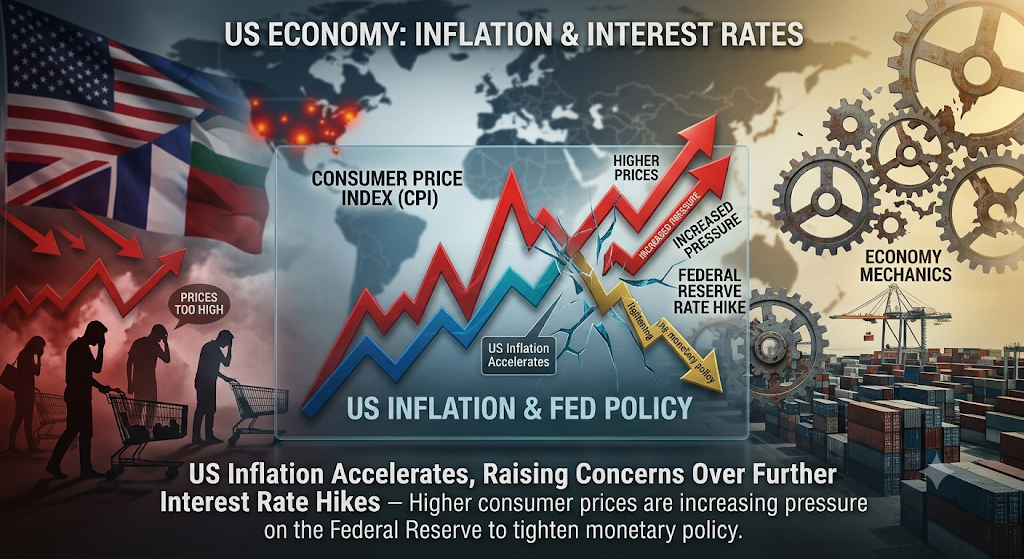
Despite encouraging economic activity, inflation continues to be a significant concern for American policymakers and households.
Price increases in housing, food, energy, healthcare and other essential categories can affect living standards and weaken consumer confidence. Even when the pace of inflation moderates, households may continue to experience the impact of previously accumulated price increases.
The Federal Reserve faces the challenge of balancing price stability with economic growth and employment. Interest-rate decisions influence borrowing costs, investment activity, mortgage payments and consumer spending.
If interest rates remain elevated for an extended period, businesses may postpone expansion plans and households may reduce borrowing. On the other hand, easing monetary policy too quickly could risk allowing inflationary pressures to persist.
Consequently, policymakers must carefully assess employment conditions, inflation trends and broader financial developments before making significant policy adjustments.
Business Investment and Technological Innovation
Business investment remains another important factor supporting the long-term strength of the American economy.
Companies are increasingly investing in artificial intelligence, cloud computing, automation, advanced manufacturing and digital infrastructure. These developments have the potential to improve productivity, reduce operational costs and create new industries.
The United States also benefits from its established financial markets, research institutions, technology companies and entrepreneurial ecosystem. These strengths continue to attract investment and support innovation.
However, businesses must navigate uncertainty surrounding trade policies, regulatory developments, financing costs and international competition.
Maintaining a favourable investment environment will require predictable economic policies, infrastructure development and continued support for innovation.
Global Implications of US Economic Performance
The performance of the US economy has significant consequences for the rest of the world. Changes in American interest rates, consumer demand and trade policies can influence international financial markets and economic activity.
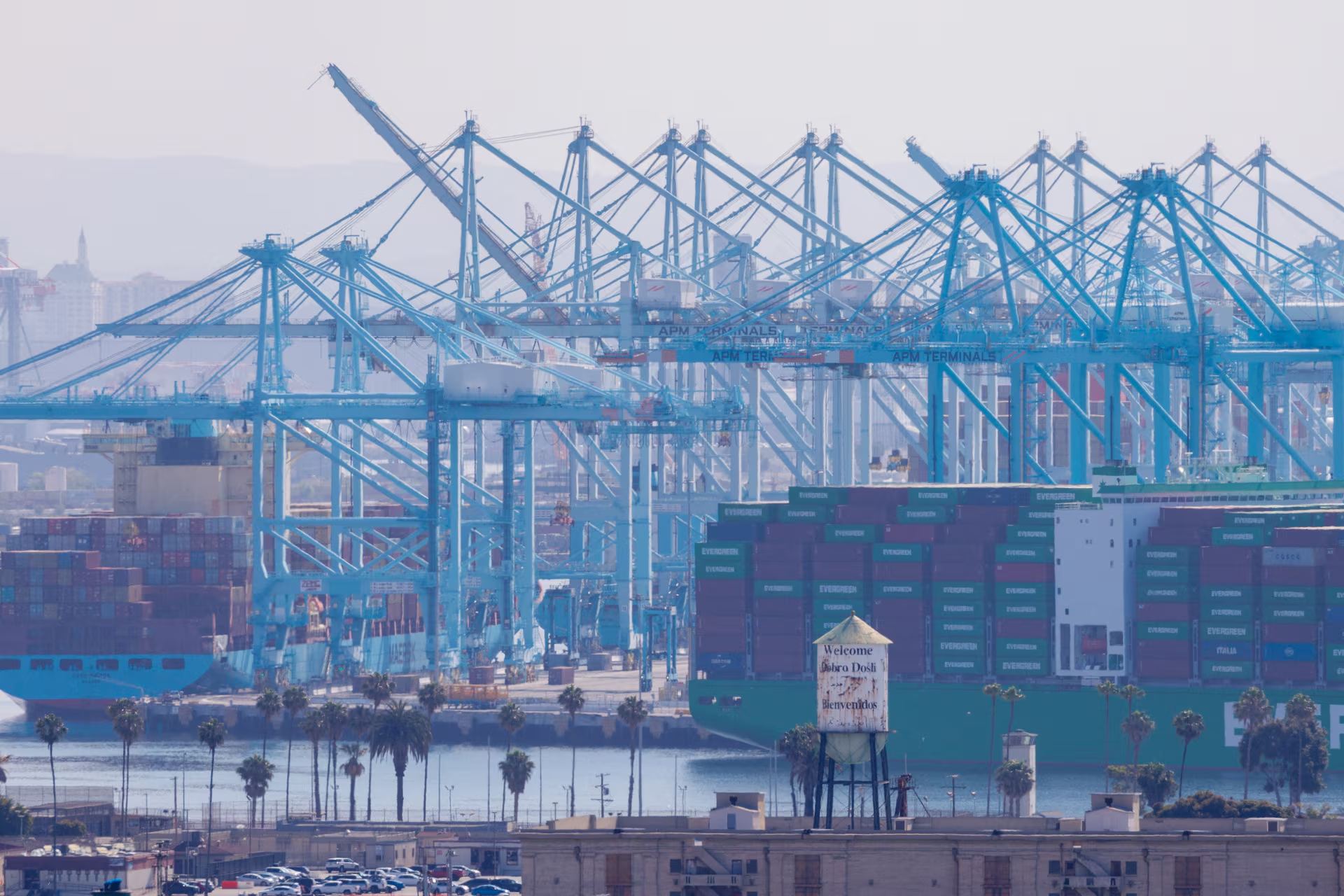
A resilient US economy can support global trade by sustaining demand for imported goods and services. It can also strengthen investor confidence and create opportunities for international businesses.
However, prolonged inflation or unexpectedly restrictive monetary policy could create challenges for emerging markets. Changes in US interest rates can influence capital flows, exchange rates and borrowing costs in developing economies.
For countries such as India, the American economic outlook is particularly relevant because of growing trade, technology, investment and services-sector connections between the two economies.
The Road Ahead
The US economy enters the coming period with several underlying strengths, including employment opportunities, consumer demand, technological innovation and established financial institutions.
However, sustaining economic momentum will require careful management of inflation, responsible fiscal policies and continued investment in productivity.
The ability of businesses and households to adapt to changing economic conditions will also influence the country’s long-term growth prospects.
The Worldonomics Times View
The resilience of the US economy demonstrates the importance of strong employment, consumer confidence, business investment and technological innovation in maintaining economic stability.
However, economic resilience should not be measured by growth and spending alone. Affordable living costs, sustainable employment opportunities, financial security and equitable access to economic opportunities are equally important.
The Worldonomics Times believes that the United States must maintain a balanced economic strategy that supports growth without allowing inflation to undermine household purchasing power. The Federal Reserve must remain attentive to price stability, while policymakers should encourage productivity, infrastructure development and workforce skill enhancement.
Businesses must continue investing in innovation and operational efficiency, while households need a stable economic environment that supports long-term financial confidence.
Ultimately, the strength of the American economy will depend not only on its ability to withstand uncertainty but also on its capacity to convert resilience into sustainable and inclusive prosperity.