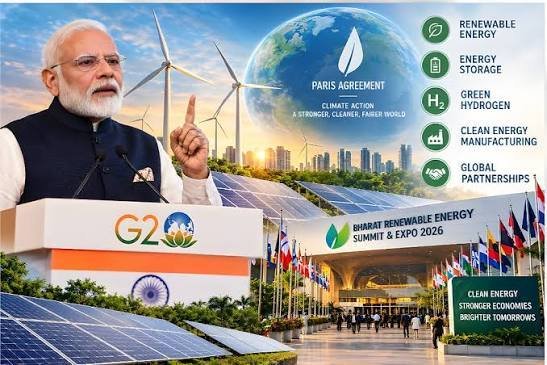
Clean Energy Projects Reshape Investment, Infrastructure and Energy Markets
The global energy landscape is undergoing a significant transformation as countries, businesses and investors increasingly turn towards renewable energy. Growing concerns about climate change, energy security, rising electricity demand and dependence on fossil fuels are accelerating investment in clean energy technologies. Solar, wind, hydropower, geothermal energy and emerging storage solutions are becoming important components of national energy strategies and long-term economic development.
Renewable energy is no longer viewed solely as an environmental necessity. It has emerged as a major economic opportunity, attracting investments from governments, financial institutions, multinational corporations and private infrastructure developers. The expansion of clean energy projects is reshaping electricity markets, creating new industrial opportunities and encouraging countries to modernise their energy infrastructure.
Growing Global Investment in Clean Energy
Investment in renewable energy has gained considerable momentum as governments establish ambitious climate targets and encourage the transition towards low-carbon economies. Solar and wind power have attracted particular attention because of technological improvements, increasing deployment and their growing role in electricity generation.
Large-scale solar parks, offshore wind farms and distributed renewable energy installations are being developed across different regions. Countries are also introducing financial incentives, tax benefits, competitive bidding mechanisms and supportive regulatory frameworks to encourage private sector participation.
Institutional investors are increasingly recognising renewable energy as a long-term infrastructure investment opportunity. Pension funds, private equity firms and development finance institutions are allocating capital towards clean energy projects that offer opportunities for stable, long-term returns.
This growing investment activity is also strengthening demand for engineering services, construction materials, electrical equipment, transmission systems and specialised energy technologies.
Solar and Wind Power Transform Energy Markets
Solar energy has become one of the most important drivers of the renewable energy transition. Improvements in photovoltaic technology, manufacturing efficiency and installation processes have helped expand solar power adoption across residential, commercial and industrial sectors.
Businesses are increasingly installing rooftop solar systems to reduce electricity expenses and improve energy independence. Governments are also supporting utility-scale solar projects to increase renewable electricity generation and diversify national energy supplies.
Wind energy is another major contributor to the transformation of global electricity markets. Onshore and offshore wind projects are attracting investment because of their potential to generate electricity at scale. Offshore wind development, in particular, is encouraging investment in specialised vessels, port infrastructure, advanced turbines and grid connections.
Together, solar and wind power are changing the economics of electricity generation and creating new opportunities for energy producers and infrastructure companies.
Energy Storage and Modern Infrastructure
One of the major challenges associated with renewable energy is its variable generation. Solar power depends on sunlight, while wind generation changes according to weather conditions. This makes energy storage and modern electricity networks essential for maintaining reliable power supplies.
Battery energy storage systems are gaining importance because they can store excess electricity during periods of high generation and release it when demand increases. Investments in advanced batteries, grid-scale storage and smart energy management systems are therefore becoming important parts of the renewable energy ecosystem.
Governments and utilities are also investing in modern transmission networks, smart grids and electricity distribution infrastructure. These developments will help connect renewable energy projects with industrial centres, commercial facilities and residential consumers.
The expansion of electric vehicle charging infrastructure is creating additional demand for reliable and sustainable electricity systems.
India Strengthens Its Renewable Energy Ambitions
India is emerging as an important market in the global renewable energy transition. Rising electricity demand, industrial expansion, urbanisation and energy security requirements are encouraging greater investment in solar, wind and other clean energy technologies.
The country’s renewable energy strategy includes large-scale solar parks, wind power installations, rooftop solar programmes, green hydrogen development and improvements in electricity transmission infrastructure.
Government initiatives such as the National Solar Mission and PM Surya Ghar: Muft Bijli Yojana are supporting solar adoption and encouraging greater participation from households and businesses.
India’s expanding domestic manufacturing capabilities in solar modules, batteries and other clean energy equipment also present opportunities to strengthen industrial competitiveness and reduce dependence on imported technologies.
Furthermore, the development of green hydrogen offers potential applications in industries such as steel, fertilisers, refining and heavy transportation, where reducing emissions can be particularly challenging.
The renewable energy sector can also generate employment across engineering, manufacturing, installation, maintenance and research.
Economic Opportunities and Employment Generation
The expansion of clean energy investment is creating economic opportunities across multiple industries. Renewable energy projects require substantial participation from equipment manufacturers, construction companies, engineering firms, technology providers and financial institutions.
New employment opportunities are emerging in solar installation, wind turbine maintenance, battery manufacturing, energy software development and environmental engineering.
Small and medium-sized enterprises can also benefit by supplying components, electrical systems, mounting structures, cables and maintenance services.
In addition, countries investing in domestic clean energy manufacturing can strengthen industrial supply chains, attract foreign investment and develop new export opportunities.
However, the transition also requires careful management of traditional energy-sector employment and investment. Reskilling programmes and workforce development will be necessary to help workers adapt to changing industry requirements.
Challenges Facing the Renewable Energy Sector
Despite its strong growth potential, renewable energy investment faces several challenges. Large-scale projects require substantial initial capital, suitable land, reliable transmission infrastructure and efficient regulatory approvals.
The availability and cost of critical minerals such as lithium, copper, nickel and other materials also influence the development of batteries and renewable energy equipment.
Supply chain concentration, international trade restrictions and changing commodity prices can create additional uncertainties for project developers.
Another important challenge is ensuring that renewable energy projects remain financially viable while delivering affordable electricity. Governments and investors must balance environmental objectives with infrastructure costs, energy reliability and consumer affordability.
Long-term success will depend on technological innovation, effective policies, private sector participation and stronger international cooperation.
The Road Ahead: Building a Sustainable Energy Economy
The future of renewable energy investment will increasingly depend on integrating clean electricity generation with energy storage, smart grids, digital technologies and efficient industrial systems.
Artificial intelligence and advanced data analytics are also expected to improve electricity demand forecasting, optimise energy distribution and enhance the performance of renewable energy installations.
As technology advances and infrastructure expands, renewable energy is likely to become an increasingly important part of national economic and industrial strategies.
The transition will not happen at the same pace in every country, but the direction of global investment clearly demonstrates the growing importance of clean energy in shaping the future economy.
The Worldonomics Times View
The Worldonomics Times believes that renewable energy investment represents one of the most significant economic and industrial transformations of the modern era. The growing allocation of capital towards solar, wind, battery storage and modern electricity infrastructure demonstrates that clean energy is becoming a central pillar of long-term economic competitiveness.
However, the success of this transition should not be measured only by the number of renewable energy projects established or the amount of investment announced. Its real value will depend on the ability to deliver reliable, affordable and sustainable energy while creating employment and strengthening domestic industries.
India has a particularly important opportunity to position itself as a major destination for renewable energy investment and clean technology manufacturing. Strengthening domestic supply chains, encouraging private investment, improving grid infrastructure and supporting technological research will be essential to achieving this ambition.
Governments must also ensure that the energy transition remains inclusive, financially sustainable and beneficial to businesses and households alike.
The future of the global energy economy will be shaped by countries that successfully combine environmental responsibility with industrial innovation and economic growth. Renewable energy is not simply an alternative source of electricity; it is an investment in energy security, technological progress and long-term economic resilience.