Global trade faces renewed uncertainty as the United States prepares potential tariff increases on China, the European Union and 14 other economies following investigations into industrial subsidies and excess manufacturing capacity. The proposed measures could affect a wide range of imported products and reshape trade relationships between major economies.
The developments have increased concerns among businesses, investors and policymakers about the future direction of international commerce. Financial markets have also come under pressure as investors assess the possibility of higher trade barriers, supply-chain disruptions and retaliatory measures.
The latest initiative forms part of the Trump administration’s broader effort to address what it describes as unfair foreign industrial support and protect American manufacturers from subsidised competition.
US Investigations Target Industrial Subsidies
The Office of the United States Trade Representative (USTR) has been examining industrial policies in 16 economies, including China, the European Union, Japan, India, South Korea, Vietnam, Mexico, Indonesia and several other trading partners.
The investigation focuses on whether government subsidies and other forms of industrial support have contributed to structural excess manufacturing capacity. According to the US administration, such support can encourage overproduction, create persistent trade surpluses and allow foreign manufacturers to sell products at prices that disadvantage American producers.
The investigations were initiated under Section 301 of the Trade Act of 1974, which allows the United States to investigate foreign trade practices and take action when it determines that certain policies burden or restrict US commerce.
The USTR is expected to announce its findings shortly. However, the timing of any tariff announcement could change, and the final rates have not been formally disclosed. Reports suggest that the administration is considering duties that could vary by trading partner, taking existing trade agreements into account.
The potential measures could cover a broad range of imported goods, although products already subject to separate national-security tariffs, including certain steel, aluminium and automobile imports, may receive different treatment.
China and the European Union Face Greater Trade Pressure
China and the European Union are among the most significant economies affected by the investigation.
Washington has repeatedly criticised China’s industrial support policies, arguing that state-backed manufacturing expansion has contributed to excess capacity in several sectors. Higher US tariffs could therefore increase pressure on Chinese exporters and complicate efforts to stabilise bilateral trade relations.
The European Union also faces potential additional duties despite its existing trade arrangements with the United States. The possibility of further tariffs could create fresh tensions between Washington and Brussels, particularly in industries where manufacturers depend heavily on transatlantic trade.
Japan and South Korea are also among the economies being examined. Other affected trading partners include India, Vietnam, Thailand, Malaysia, Indonesia, Bangladesh, Singapore, Switzerland, Norway, Taiwan and Cambodia.
Reports indicate that countries with existing trade agreements could receive more favourable tariff treatment than other economies. However, these details remain subject to official confirmation.
Potential Implications for India
India is among the economies included in the US industrial-capacity investigation. This creates an additional area of uncertainty for Indian exporters, particularly as the country seeks to expand its manufacturing base and strengthen its position in global supply chains.
Sectors with significant exposure to international trade could face increased scrutiny if additional duties are introduced. These may include engineering goods, chemicals, pharmaceuticals, textiles, electronics and other manufactured products.
Higher tariffs could make Indian exports less competitive in the American market if they increase the final prices paid by US importers and consumers.
However, the actual impact will depend on the final tariff structure, product coverage and treatment of existing trade arrangements. The inclusion of India in the investigation does not automatically mean that every Indian export will face a higher duty.
For Indian businesses, the immediate priority will be to assess their exposure to the US market, review sourcing arrangements and prepare for possible changes in trade costs.
Global Supply Chains Face Renewed Uncertainty
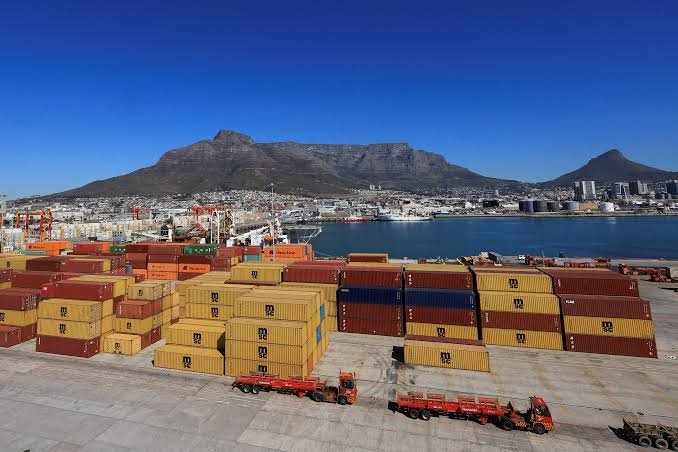
The prospect of additional tariffs could affect international supply chains that have developed over several decades.
Modern manufacturing often depends on components, raw materials and intermediate products sourced from multiple countries. A tariff imposed on one trading partner can therefore affect manufacturers in other economies that rely on its exports.
Companies may respond by shifting production, diversifying suppliers or moving parts of their manufacturing operations to countries with more favourable trade arrangements. While such adjustments can reduce exposure to individual markets, they may also increase operational expenses and require substantial investment.
Industries such as automobiles, electronics, machinery, chemicals and industrial equipment could be particularly sensitive to changes in cross-border trade costs.
Businesses may also delay investment decisions until there is greater clarity about tariff rates and implementation timelines. This could affect international trade volumes, manufacturing activity and corporate earnings.
Financial Markets React to Trade Concerns
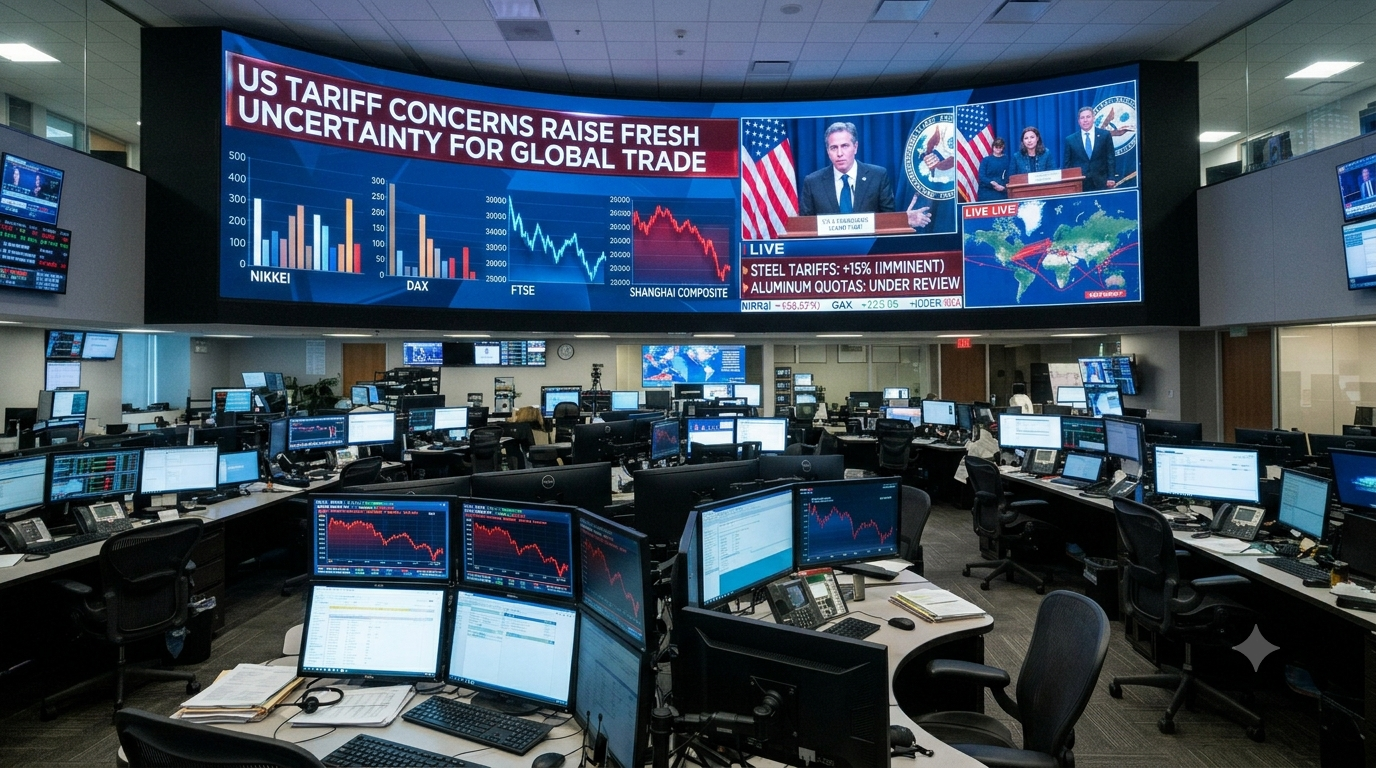
The renewed tariff uncertainty has contributed to a cautious mood across global financial markets.
On November 25, Asian equity markets recorded significant declines as investors prepared for the possible announcement of the US investigation findings. The MSCI Asia-Pacific index fell 2.4%, while South Korea’s market declined 5.8%, Taiwan’s market lost 4.7% and Japan’s Nikkei fell 2.8%. US S&P 500 futures were also lower during the trading session.
The market reaction reflects concerns that additional trade restrictions could weaken corporate earnings, disrupt international supply chains and create further uncertainty around global economic growth.
Investors will also monitor currency movements, government bond yields and commodity prices as the trade outlook develops. Economies heavily dependent on exports may experience greater market sensitivity if concerns about international demand intensify.
However, financial-market movements are influenced by several factors, including inflation, interest-rate expectations and economic growth. Tariff concerns are an important source of uncertainty, but they are not the only factor shaping current market sentiment.
Risk of Retaliation and Wider Trade Disputes
Another major concern is the possibility of retaliatory measures from affected trading partners.
If additional US tariffs are imposed, other governments could consider countermeasures or seek negotiations to protect their exporters. Such responses could increase tensions and create a cycle of higher trade barriers.
The situation may also complicate cooperation between major economies on trade rules and international economic policy.
For multinational companies, prolonged uncertainty can make long-term planning more difficult. Businesses may need to reconsider production locations, supplier agreements and investment commitments if trade restrictions become more extensive.
The outcome will depend partly on whether affected economies choose negotiations, policy adjustments or retaliatory action.
What Businesses and Investors Should Watch
Several developments will determine the direction of the global trade outlook in the coming weeks.
First, investors will look for the USTR’s official findings and confirmation of whether additional tariffs will be imposed. The final rates, product coverage and implementation dates will be particularly important.
Second, businesses will monitor how the United States applies existing trade agreements and whether affected economies receive exemptions or preferential treatment.
Third, responses from China, the European Union, India and other trading partners will influence the risk of a wider trade dispute.
Companies with international supply chains should also review their exposure to potential tariff changes and consider whether alternative sourcing arrangements are commercially viable.
The Worldonomics Times View
The latest US tariff developments highlight the growing uncertainty surrounding international trade policy. While Washington argues that industrial subsidies and excess manufacturing capacity create unfair competition, additional tariffs could also increase costs for importers, manufacturers and consumers.
The challenge is to address genuine trade distortions without creating unnecessary disruption to global commerce. Modern supply chains are interconnected, and trade restrictions imposed on one economy can have consequences for businesses and workers across several countries.
For India, the investigation deserves particular attention because the United States remains an important export market. However, the eventual impact will depend on the final measures rather than the investigation alone.
Conclusion: The United States’ preparations for potential tariff increases against China, the European Union and 14 other economies have introduced fresh uncertainty into the global trade outlook. Although final tariff rates and implementation details remain unconfirmed, the possibility of higher duties is already influencing investor sentiment and raising concerns about supply-chain costs, export competitiveness and economic growth. The USTR’s forthcoming findings and the responses of affected trading partners will be critical in determining whether the situation leads to negotiated adjustments or a broader escalation in international trade tensions.