Geopolitical tensions, supply disruptions and volatile fossil fuel prices are accelerating changes in the global energy market. Governments are increasingly investing in renewable power, modern electricity networks and energy storage to strengthen energy independence and build more resilient economies.
The global energy sector is undergoing a significant transformation. Energy security, once largely associated with access to oil, natural gas and coal, is now closely connected with renewable energy, electricity infrastructure and technological innovation.
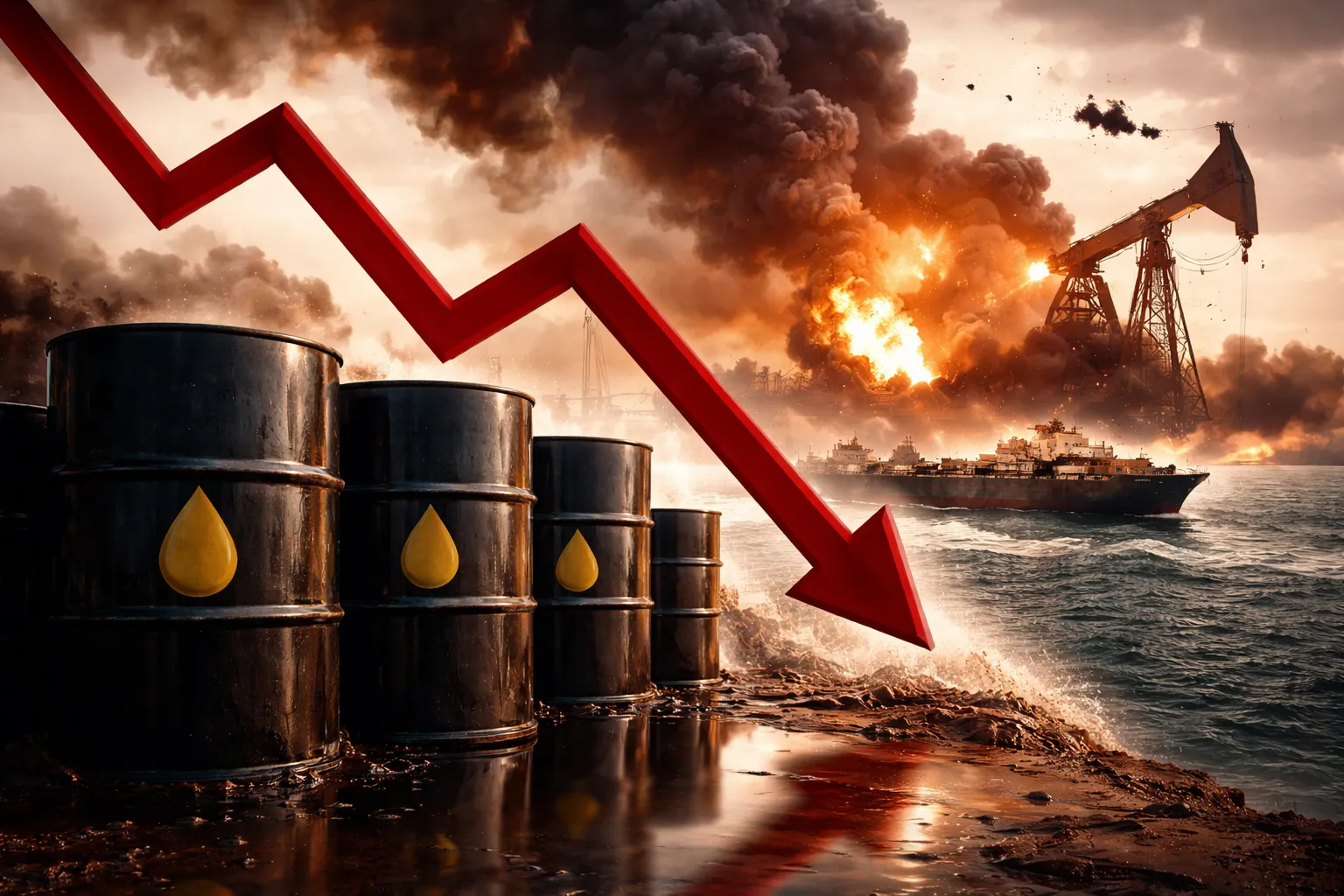
Recent geopolitical tensions and disruptions to international energy transportation have exposed the vulnerabilities of countries that depend heavily on imported fossil fuels. Rising energy prices can increase inflation, raise industrial production costs and place pressure on government finances. As a result, countries are reassessing their energy strategies and giving greater importance to reliable domestic energy sources.
This shift is creating new opportunities for investment in solar power, wind energy, nuclear technology, battery storage and electricity transmission systems.
Energy Security Becomes a Global Economic Priority
Energy security has become an essential part of national economic planning. Countries are increasingly recognising that excessive dependence on a limited number of energy suppliers or international shipping routes can expose their economies to serious disruptions.
The International Energy Agency (IEA), in its World Energy Investment 2026 report, estimates that global energy investment will reach approximately $3.4 trillion in 2026, representing an increase of 5% compared with 2025.
Around $2.2 trillion is expected to flow into renewables, nuclear power, electricity grids, storage, low-emissions fuels, energy efficiency and electrification. Approximately $1.2 trillion is expected to go towards oil, natural gas and coal.
These figures demonstrate that energy investment is increasingly focused on diversification. Governments are not abandoning traditional energy sources immediately, but they are working to reduce exposure to international supply shocks by developing alternative sources of power.
Renewable Energy Gains Strategic Importance
Renewable energy is becoming a central component of national energy security strategies. Solar and wind power offer countries the opportunity to generate electricity using locally available resources rather than depending entirely on imported fuels.
According to the IEA’s Renewables 2026 report, global renewable power capacity is forecast to increase by almost 4,800 gigawatts between 2026 and 2031. Solar photovoltaic technology is expected to account for more than three-quarters of this expansion, followed by onshore wind.
The growth of renewable energy is no longer limited to major developed economies. India, Southeast Asia, Africa and the Middle East are becoming increasingly important investment destinations.
The IEA expects renewable capacity additions in emerging and developing economies outside China to match those in advanced economies for the first time during the forecast period.
This development could create significant economic opportunities through manufacturing, infrastructure development, employment generation and improved electricity access.
Solar Power and Wind Energy Drive Investment
Solar energy is attracting considerable attention because of its expanding commercial competitiveness and relatively rapid installation times. Rooftop solar systems, large-scale solar parks and distributed power projects are helping households, businesses and governments reduce exposure to conventional electricity prices.
Wind energy is also contributing to the transformation of electricity markets. Onshore and offshore wind projects are expanding in countries with favourable geographical conditions and supportive investment policies.
However, renewable energy production depends on weather conditions. Solar and wind generation can fluctuate, creating challenges for electricity networks that must maintain a stable supply.
Battery storage, pumped hydropower and other flexible energy technologies are therefore becoming increasingly important. These systems can store surplus electricity and release it when renewable generation declines or demand increases.
Electricity Infrastructure and Technology Become Critical
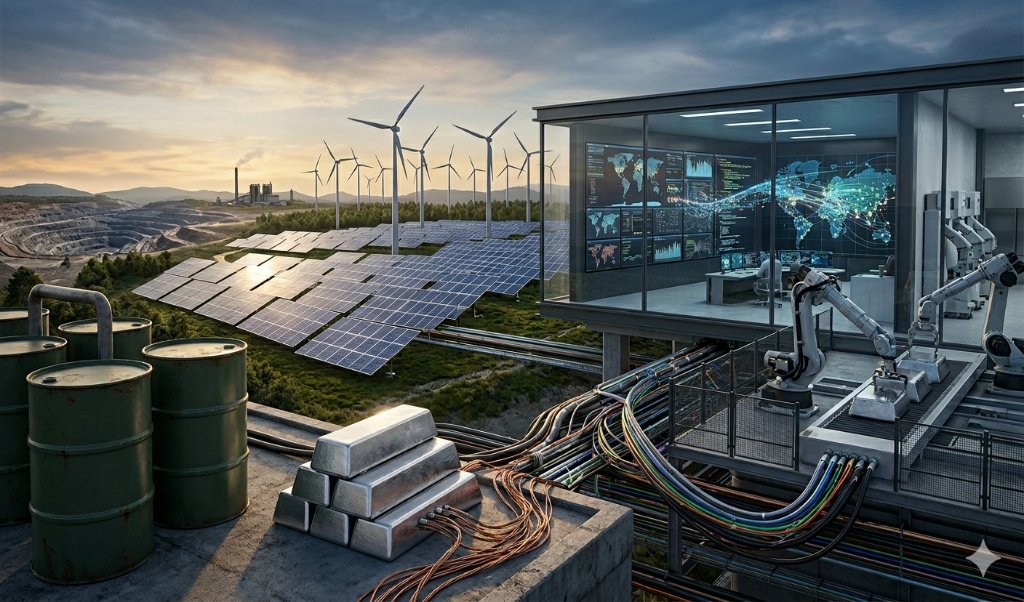
The expansion of renewable energy requires more than installing solar panels and wind turbines. Modern electricity grids must be capable of managing variable generation, connecting new power projects and delivering electricity efficiently.
Many countries are facing delays in connecting renewable energy projects to electricity networks. The IEA reports that advanced-stage renewable energy and storage projects awaiting grid connections increased by 60% over the past year, reaching approximately 3,000 gigawatts.
This highlights the importance of investing in transmission infrastructure, smart grids and energy storage.
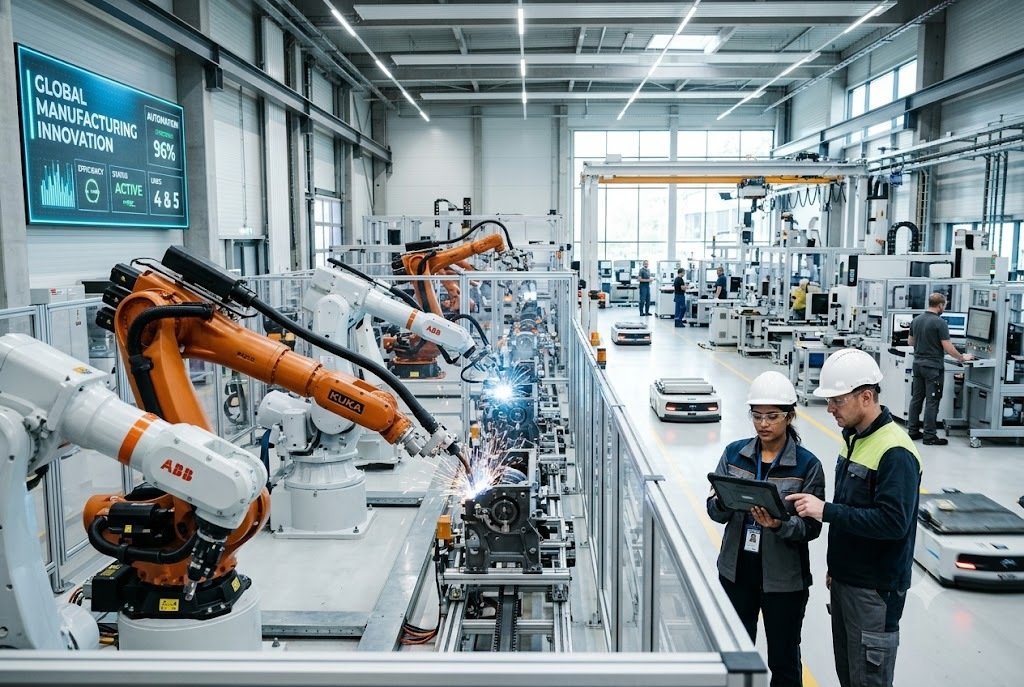
Artificial intelligence and digital technologies can also improve electricity forecasting, monitor network performance and manage energy demand. These innovations will become increasingly important as electric vehicles, data centres and industrial electrification increase global electricity consumption.
Developing Economies Seek New Energy Opportunities
Emerging economies have an important role in the global energy transition. Countries such as India, Indonesia and several African nations are investing in renewable electricity to meet growing demand and improve energy independence.
India is particularly important in this transformation. The IEA’s Renewables 2026 outlook identifies India as the world’s second-largest growth market for renewable power capacity after China during 2026–2031.
However, developing economies face challenges involving financing costs, land availability, infrastructure limitations and access to advanced technologies. International investment, technology partnerships and affordable financing will be essential to accelerate their progress.
Challenges Facing the Global Energy Transition
Despite growing investment, the transition towards cleaner energy is not without obstacles. Renewable projects require substantial initial capital, reliable regulatory frameworks and long-term planning.
Supply-chain concentration in critical minerals, solar components and battery manufacturing can also create new dependencies. Countries must therefore diversify their sources of equipment and raw materials while strengthening domestic manufacturing capabilities.
Another challenge is ensuring that energy remains affordable during the transition. Governments must balance investment in cleaner technologies with the need to maintain reliable electricity supplies and protect households and industries from sudden price increases.
The Worldonomics Times View
The transformation of the global energy market represents more than an environmental shift; it is becoming a fundamental economic and strategic priority. Recent energy disruptions have demonstrated that dependence on imported fuels can expose national economies to inflation, supply shortages and geopolitical uncertainty.
The Worldonomics Times believes that renewable energy should be viewed as a long-term investment in national resilience rather than simply an alternative to fossil fuels. Solar, wind, battery storage and modern electricity networks can reduce exposure to external energy shocks while creating new industries and employment opportunities.
However, governments must avoid treating renewable energy expansion as a standalone solution. Reliable energy systems require a balanced combination of renewable generation, suitable storage, modern grids, energy efficiency and other dependable sources of electricity, including nuclear power where appropriate.
Developing economies should receive greater access to affordable financing, advanced technology and international investment. Without this support, the benefits of the energy transition could remain concentrated in wealthier countries.
Governments must also establish stable policies that encourage private investment and reduce uncertainty for energy developers. Long-term planning, transparent regulations and stronger international cooperation will be essential.
Ultimately, energy security and sustainability should be treated as complementary objectives. Countries that invest in diversified, affordable and reliable energy systems today will be better prepared for tomorrow’s economic and geopolitical challenges. The future of global energy will depend not only on how much power the world produces, but also on how securely, efficiently and sustainably it delivers that power.